By Sym Posey | The Birmingham Times
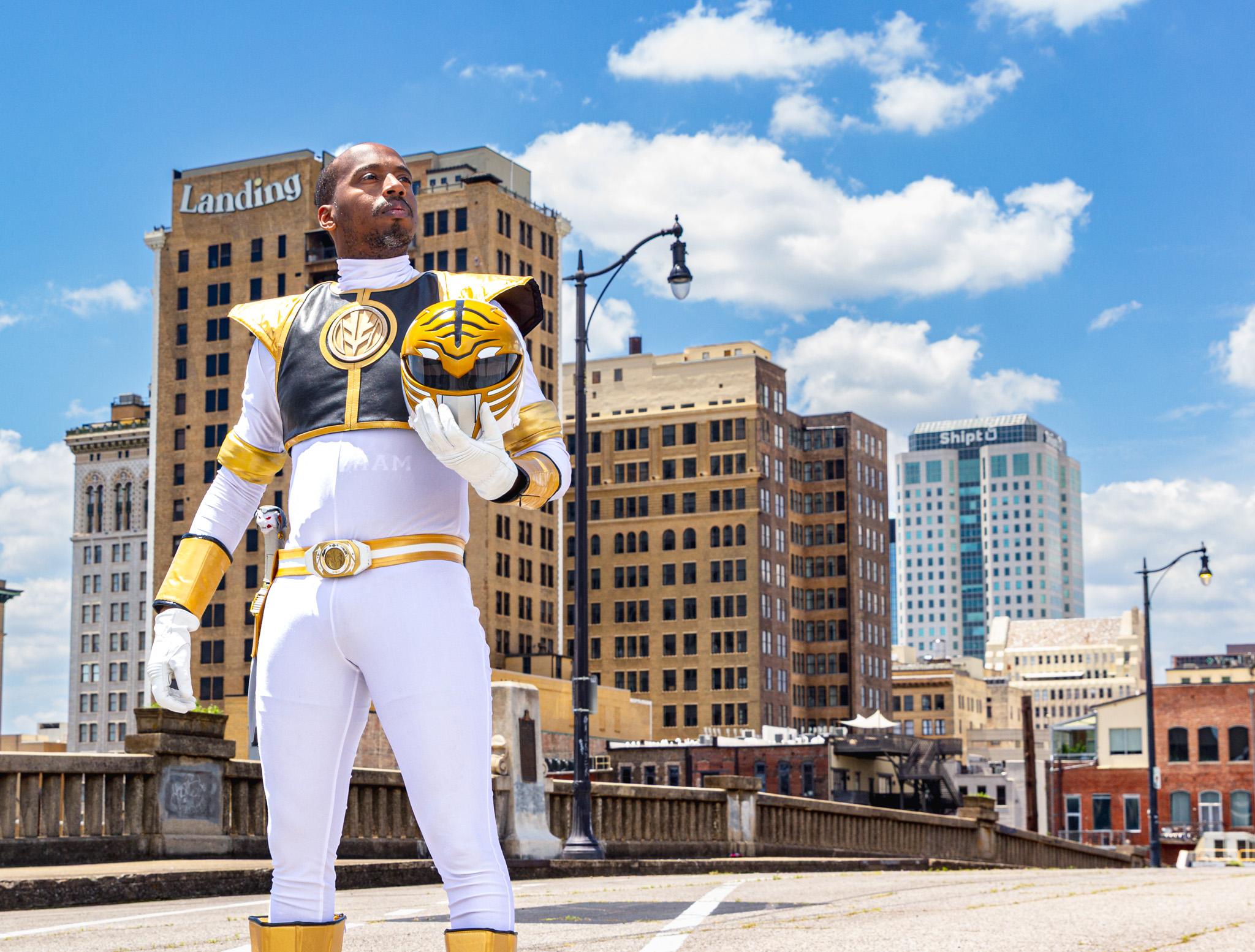
Before Micah Blair was a Birmingham police officer, he was a kid who simply enjoyed comics. That love would eventually grow into a passion that has given many fellow Birminghamians a place to share in this love, too.
Long before he was organizing conventions, hosting game nights, or building Blerd Over Inc. — a nonprofit dedicated to Black nerd culture — Blair was a six-year-old boy sitting in front of a television, captivated by four pizza-loving turtles and the rat who raised them.
His mother had introduced him to Teenage Mutant Ninja Turtles, and like countless children of the late 1980s and early 1990s, he became hooked. But for Blair, it wasn’t just the action sequences, colorful characters or Saturday morning excitement that left a lasting impression.
“The premise was basically a father, Master Splinter, who adopted these four turtles and called them his sons,” Blair recalled. “It picked up on the idea that it doesn’t matter what people look like at the end of the day. Accept everybody for who they are.”
At the time, he could not have known that the lesson would eventually shape the mission of an organization that now serves Birmingham’s growing community of Black anime fans, gamers, comic book enthusiasts and cosplayers.
From a Past-time to a Part-time
Growing up on Birmingham’s west side, Blair found himself drawn to stories of heroes, adventure and imagination. Comic books, action figures, cartoons and later anime (a distinctive style of animated film and television originating in Japan) became more than entertainment. They offered an escape, a source of inspiration and a place where possibilities seemed endless.
But being a young Black boy who openly loved those things was not always easy.
“During that time, I was bullied and picked on because I was labeled a nerd,” Blair said.
The bullying sometimes became severe.
“It got so bad that I had some bullies dump my head in the toilet because of me loving superheroes, toys, cars, anime and things of that nature.”
For many Black millennials who grew up before anime and comic book culture entered the mainstream, stories like Blair’s are familiar.
Today, anime like Naruto, My Hero Academia, and Demon Slayer dominate streaming platforms. Marvel films routinely generate hundreds of millions of dollars. Cosplay (the practice of dressing as characters from anime, comic books, movies and video games) has become commonplace on social media. Cosplay conventions attract thousands of attendees each year.
But two decades ago, openly embracing those interests often came with ridicule.
Even as he moved through middle school, high school and college, Blair said he continued to encounter people who questioned his interests.
“People would say, ‘Why are you still liking that stuff? You need to be grown. You need to worry about realistic world stuff because you’re grown.'”
Eventually, he reached a conclusion that would change his life.
“I realized it’s my life. I got to live for me,” he said.
That decision became the foundation for everything that followed.
What It Means to Be a Blerd
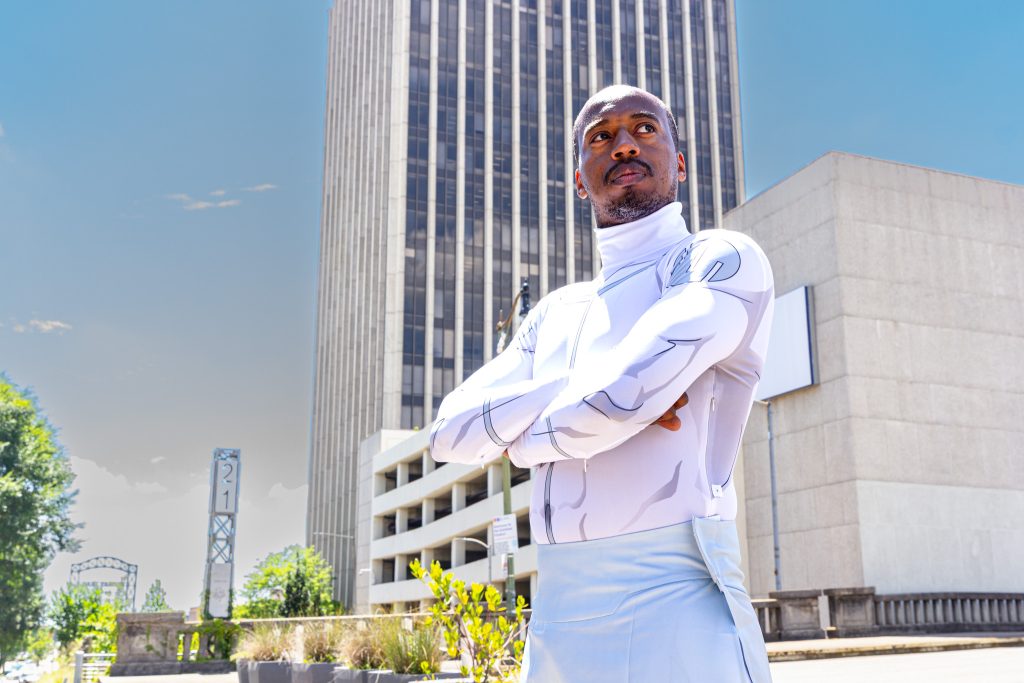
The word “blerd” is a combination of “Black” and “nerd.” While the term has become increasingly common over the last decade, the community it describes has existed much longer.
For Blair, the definition is straightforward.
“A blerd is an African American or person of color that loves everything in the nerd community,” he said. “Anime, comic books, dressing up, video games, doing skits of that nature.”
But for many people, being a blerd is about more than hobbies. It is about finding community. It is about representation. It is about creating spaces where people can be unapologetically themselves.
That desire led Blair to establish Blerd Over in 2019.
Originally formed as an LLC, the organization later became Blerd Over Incorporated, a nonprofit serving Birmingham’s growing blerd community.
“I saw where it was going and the vision I wanted,” Blair said. “Nobody else in the city of Birmingham was doing something like this.”
His vision was larger than simply organizing events. He wanted to create opportunities and build relationships. Most importantly, he wanted to create a place where people who shared similar interests could connect without fear of judgment.
“I wanted to do it for a good cause and just be the inspiration and the outlet for people of color to be themselves.”
Today, Blerd Over’s work extends far beyond cosplay and conventions.
The organization hosts back-to-school drives, literacy initiatives, game nights and community outreach programs. A team of seven to eight volunteers now helps support the nonprofit’s mission.
One of its most successful initiatives focuses on helping children develop reading skills through comic books.
For Blair, the program is deeply personal.
“That’s how I kind of learned to read,” he said.
As a child, he became fascinated with the stories inside comic books.
The desire to understand those stories motivated him to learn unfamiliar words and improve his reading comprehension.
“The stories in the comic books were so fascinating, and you want to know what these words mean, so you do anything just to follow the story.”
The approach aligns with what many educators have long recognized: graphic novels and comics can be powerful literacy tools, especially for reluctant readers.
By combining education with subjects children already enjoy, the organization creates opportunities for learning that feel engaging rather than intimidating.
“It’s another way to reach kids,” Blair said.
Creating Community in Birmingham
In addition to literacy programs, Blerd Over hosts community events designed to bring people together. Monthly game nights have become one of the organization’s most popular offerings. Held with support from Blair’s apartment community, the gatherings feature pizza, gaming systems and an opportunity for people of all ages to connect.
“We had Nintendo Switches, PlayStation, games like that,” Blair said. “People came out, young and old, and had a good time.”
The events may seem simple on the surface, but Blair believes they serve a larger purpose. For many participants, they provide something that was difficult to find growing up: a community of people who understand and appreciate their interests.
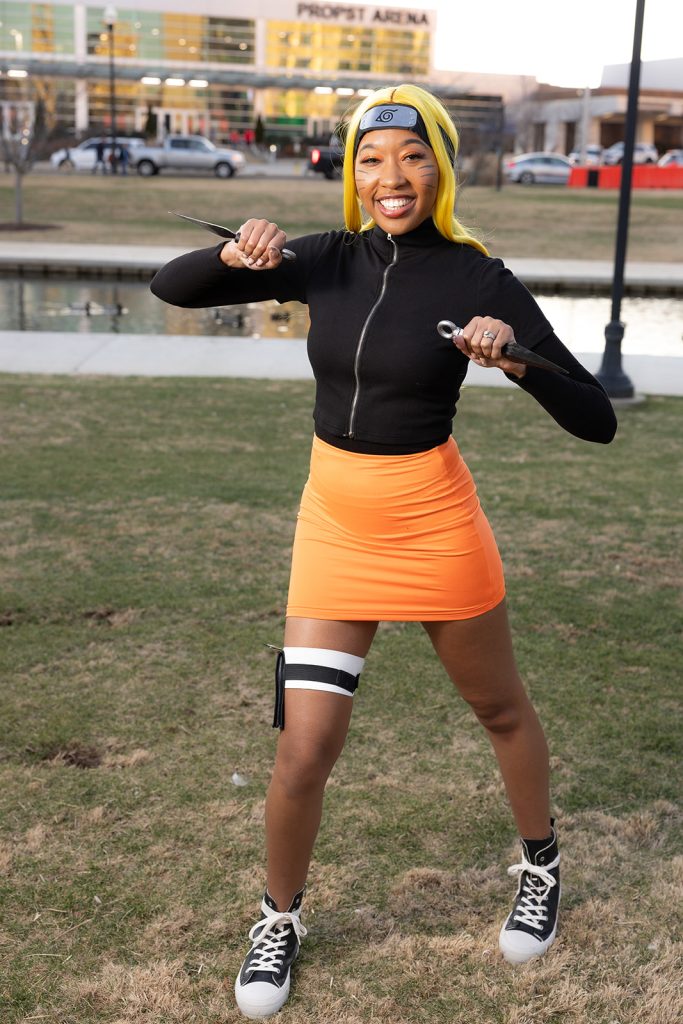
That need for connection is something Morgan Odutola understands well. A Birmingham native who now lives in Huntsville, Odutola proudly identifies as a blerd.
“At my core, I am absolutely a blerd,” she said. “That is a part of my being.”
Her introduction to nerd culture began during childhood through her older brother.
“He was watching a lot of Toonami,” she said. “When he would watch Toonami, it made me want to watch Toonami,” — a dedicated programming block on Cartoon Network.
Since 1997, Toonami has been a critical part in helping to introduce and familiarize Japanese anime in the Western world. It currently airs Saturday nights as a sub-block on Adult Swim.
Her mother also played an important role, buying Sailor Moon VHS tapes after noticing her interest in the series. Years later, those experiences remain among her most cherished memories.
“It started when I was like five years old,” Odutola said.
Today, her involvement in the community extends far beyond watching anime. She is a content creator, streamer, cosplayer and doctoral student at Alabama A&M University, where she studies curriculum and instruction with a focus on literacy.
Her academic interests mirror some of the same ideas Blair promotes through Blerd Over’s literacy initiatives.
“I am really leaning toward doing my dissertation on how we can utilize manga and even anime to promote literacy among our youth,” she said.
Like Blair, she believes nerd culture has the power to create meaningful connections.
One quote guides much of her work.
“If you want to go fast, go alone,” she said. “If you want to go far, go together.”
That philosophy, she believes, is at the heart of Birmingham’s growing blerd community.
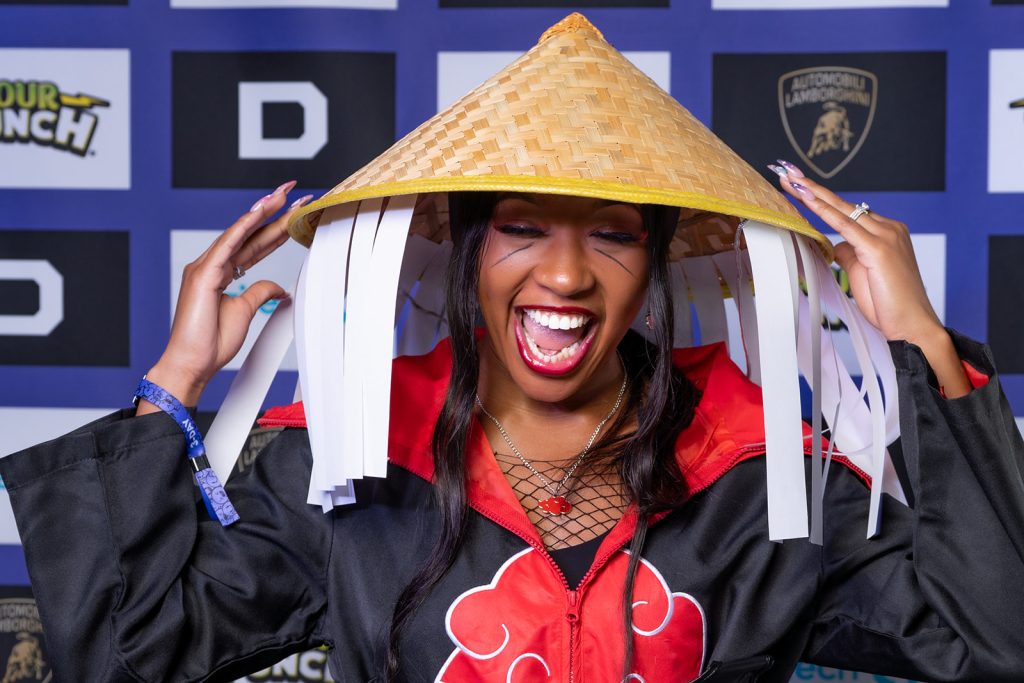
Because of the organizations and communities she has joined, she has been able to meet people from across the country, improve her creative skills and learn about Black creators working throughout the entertainment industry.
“I’ve been able to meet so many amazing people and learn about people’s different experiences being a blerd,” she said.
For Odutola, conventions play a major role in fostering those connections.
“Conventions are really just a time for community and to meet new people and to have fun.”
They are places where friendships form, collaborations begin and people discover that they are not alone in their interests.
That sense of belonging is precisely what Blair hoped to create when he launched Blerd Over.
Representation Matters
For Birmingham native Eboni Dysart, finding that sense of belonging took time.
Although she had been exposed to anime while growing up, she often kept that interest to herself.
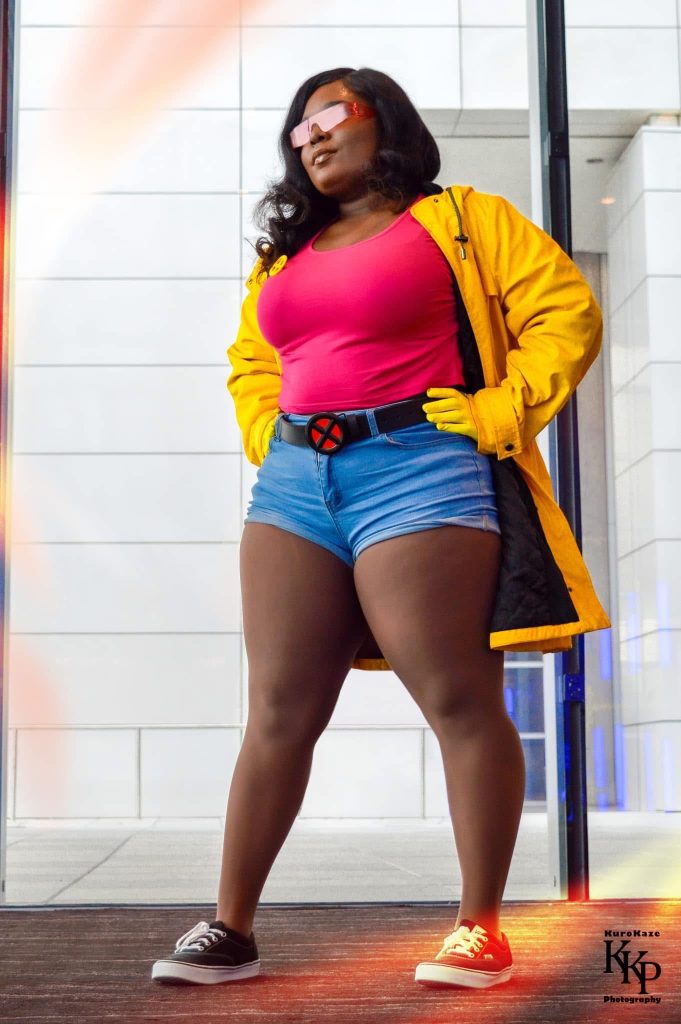
“Starting out when I was in elementary and middle school, I did watch a little bit of anime,” Dysart said. “But that was very frowned upon.”
Like many Black anime fans of the early 2000s, she learned to keep those interests private. It wasn’t until after high school that she fully embraced them.
“I kind of concealed that until I graduated high school,” she said.
A childhood friend eventually introduced her to the world of cosplay. After seeing her friend attend conventions and create costumes, Dysart became curious.
“I saw it and thought that was something cool,” she said. “Something that I’ve always wanted to do because I’ve always liked playing dress up.”
In 2019, she attended her first comic convention. Since then, she has been hooked.
“I’ve just been cosplaying ever since,” she said.
Today, Dysart is one of the many Birmingham-area cosplayers helping to build visibility for Black creators and fans within the broader convention community. She has attended conventions throughout the Southeast, including Birmingham Comic Con, MomoCon in Atlanta and Iron City Con. Her involvement eventually led her to Blerd Over, where she joined a team working to create opportunities for people with similar interests.
Through panels, community events and convention appearances, Dysart has witnessed firsthand how attitudes toward nerd culture have changed. What once felt niche is now becoming increasingly accepted.
“I’m very happy and excited that I can actually showcase that it’s okay to cosplay,” she said. “It’s okay to be different. It’s okay to want to dress up.”
Still, she believes representation remains important.
One experience in particular reinforced that belief. A few years ago, Dysart created a cosplay inspired by Clifford the Big Red Dog, the beloved PBS children’s character she grew up watching. After posting photos online, she received a message she still remembers today.
“A child, maybe 13 or 14 years old, commented and said, ‘I never knew Black people could actually cosplay,'” Dysart recalled.
The message stopped her in her tracks.
“She said, ‘Now that I see somebody that I can look up to, I can push myself to cosplay.'”
Even years later, Dysart says the memory brings tears to her eyes.
For her, the moment illustrated the importance of visibility. Sometimes representation is not about celebrity or fame. Sometimes it is simply about allowing someone else to see what is possible.
“I want us to have a space that’s unapologetically ours,” Dysart said. “And have the support.”
That goal aligns closely with the mission Blair envisioned when he created Blerd Over.
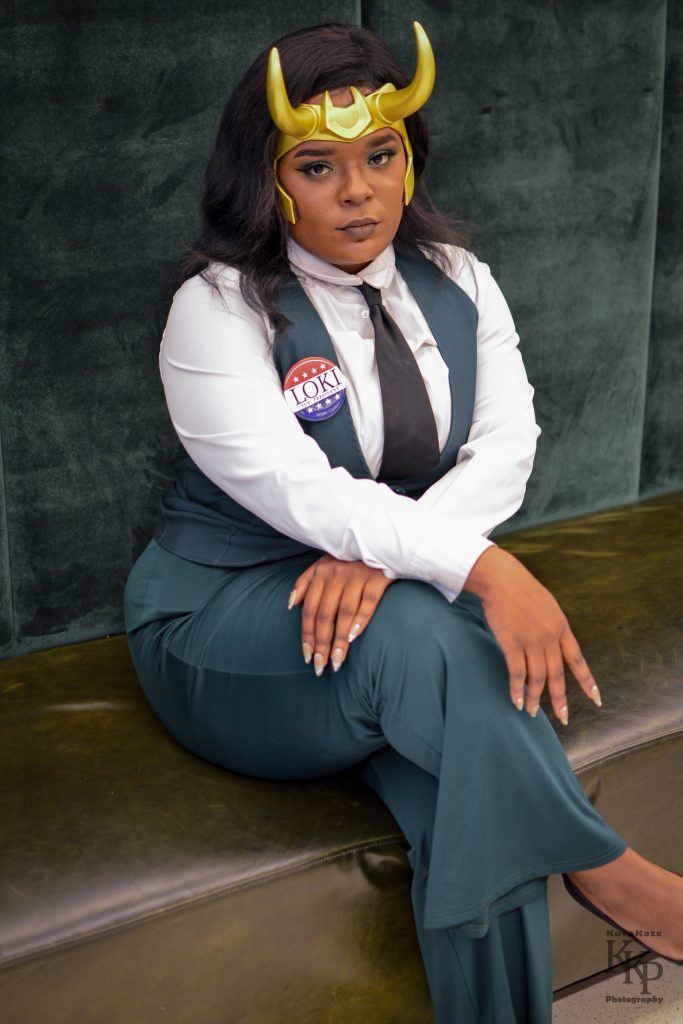
Building Something Bigger
While cosplay and conventions are often the most visible aspects of nerd culture, Blair believes the community’s impact extends much further. At its core, he says, Blerd Over is about connection.
The organization regularly collaborates with local groups, hosts community events and creates opportunities for networking among creatives, gamers, artists and entrepreneurs.
In many ways, the organization functions as a bridge between fandom and community service.
That balance reflects Blair’s own life. By day, he serves as a Birmingham police officer.
Outside of work, he is an organizer, mentor and advocate for Birmingham’s blerd community. The two roles may seem unrelated, but Blair sees them as connected. Both involve serving people.
Both involve building relationships. Both involve creating trust.
Whether he is helping organize a school supply giveaway or planning a convention panel, his focus remains on providing resources and opportunities for others.
That commitment has helped Blerd Over steadily grow over the last several years. What started as a small idea has developed into one of the most recognizable organizations dedicated to Black nerd culture in Alabama. The growth reflects larger changes happening throughout Birmingham.
Once viewed as a niche interest, anime and gaming culture have become increasingly visible across the city. Anime-themed fitness classes, gaming tournaments, cosplay photoshoots and fan meetups have become more common. Young people who once felt isolated in their interests now have access to communities both online and in person.
For Blair, that growth is exciting. But he believes there is still more work to do.
“I want people to understand that this community is for everybody,” he said.
That includes children discovering anime for the first time, adults reconnecting with childhood interests and creatives looking for opportunities to showcase their talents.
The African American Comic Expo
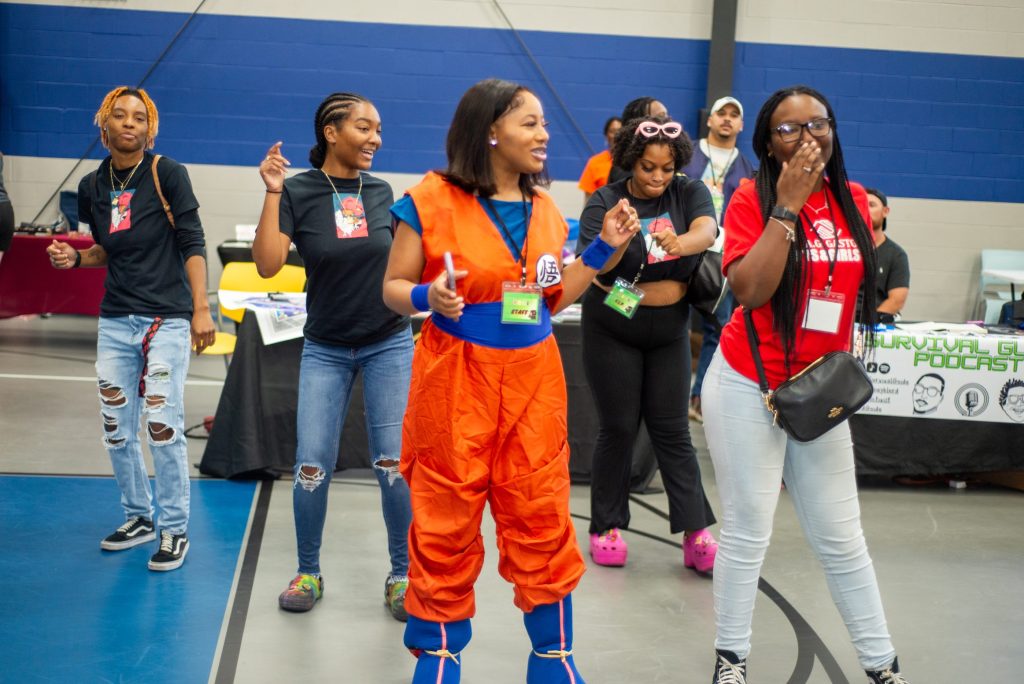
The clearest expression of Blair’s vision arrives each year through the African American Comic Expo.
Now entering its third year, the event has become one of Birmingham’s most unique celebrations of Black creativity and fandom.
Scheduled for June 20 at the A.G. Gaston Boys & Girls Club, the expo will feature vendors, artists, cosplay competitions, gaming experiences, educational panels and family-friendly activities.
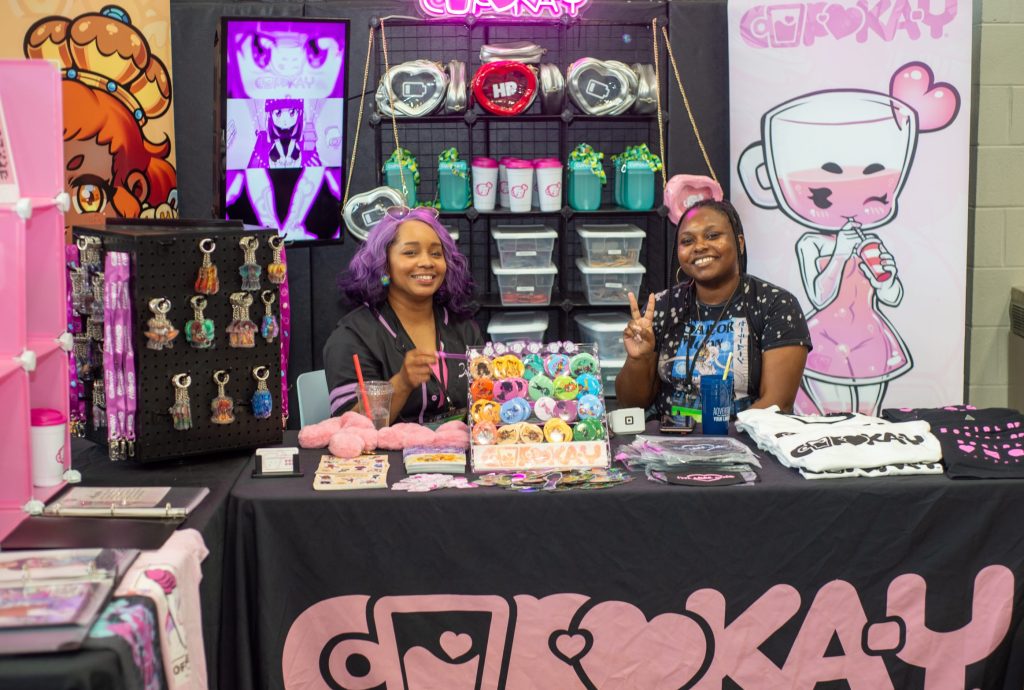
For Blair, the event serves multiple purposes. It introduces people to aspects of nerd culture they may have never experienced before. It creates opportunities for small businesses and creators. And perhaps most importantly, it brings those experiences directly into the community.
Rather than requiring families to travel long distances or spend large sums of money to attend major conventions, the African American Comic Expo offers a more accessible alternative.
“We bring it to them,” Blair said.
The location itself carries significance. Hosting the event on Birmingham’s west side allows organizers to reach young people who may not otherwise have exposure to conventions, cosplay or creative industries.
Blair hopes those experiences inspire future careers.
“You can be a content creator. You can be a costume designer. You can be a comic book creator,” he said.
For many attendees, the event serves as their first introduction to possibilities they may never have considered.
Attendance has continued to grow since the expo debuted. The first year attracted roughly 100 attendees. The second year doubled that number, drawing between 200 and 300 people. Blair hopes the momentum continues. His long-term vision is ambitious.
“The goal is to get it big enough to be at the BJCC.”
For now, however, success is measured less by attendance numbers and more by impact.
Every child who discovers a new passion. Every creator who gains a new customer. Every attendee who finds a sense of belonging. Those are the moments that matter most.
Creating the Community He Needed
Looking back, it is difficult not to see the connection between the young boy who loved comic books and the man who now dedicates countless hours to building community.
Many of the experiences that shaped Blair’s childhood continue to influence his work today. The bullying. The isolation. The feeling of being different.
Those experiences could have caused him to abandon the interests he loved. Instead, they motivated him to create something larger than himself. A place where others would not have to question whether they belonged. A place where a child who loves anime can proudly talk about anime. A place where a young Black cosplayer can see someone who looks like them and feel inspired. A place where creativity is celebrated rather than criticized.
For Morgan Odutola, that work represents something meaningful.
Communities like Blerd Over, she says, remind people that they are not alone.
For Dysart, they provide opportunities for visibility and growth.
For countless attendees who have participated in game nights, conventions, and community events, these events provide friendship and connection.
And for Blair, they represent the fulfillment of a mission that began many years ago with a comic book and a dream. The African American Comic Expo may last only one day, but the community behind it exists year-round. It lives in convention halls and community centers. In gaming tournaments and literacy programs.
In cosplay photoshoots and comic book discussions. It lives in the relationships formed between people who have finally found others who understand them.
For Blair, that may be the most rewarding part of all. The interests that once made him feel different have become the very things bringing people together.
And through Blerd Over, he has transformed a childhood passion into something far greater — a community where Birmingham’s blerds can proudly, unapologetically and authentically be themselves.
Because sometimes the greatest superpower isn’t flight, strength or the ability to save the world. Sometimes it’s simply creating a place where people know they belong.
Learn more about Blerd Over and the African American Comic Expo at blerdoverllc.godaddysites.com and follow on Instagram @blerdover.