Compiled by The Birmingham Times and Black America Web
The oldest, Viola Ford Fletcher, the last living survivor of the 1921 Tulsa Race Massacre, was 111. Mrs. Fletcher passed away in November. The youngest, Marshawn Kneeland, who played professional football for the Dallas Cowboys, was 24. He also passed away in November. They were among hundreds we lost in 2025 who ranged in various ages in various fields that include government, sports, business and entertainment. While this is not a complete list, here are some who will be missed.
JANUARY
22
Barry Michael Cooper, journalist and author, age 66
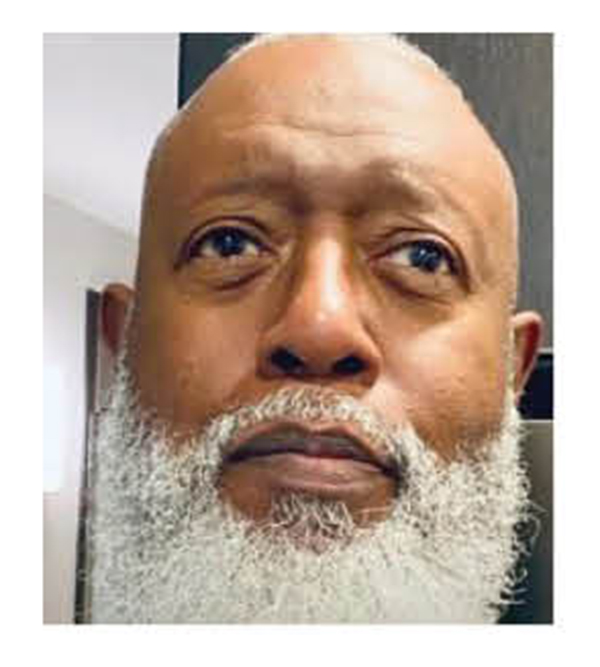 Cooper wrote the films New Jack City (1991), Sugar Hill (1994) and Above the Rim (1994). Cooper began his career as a reporter and journalist with The Village Voice in the 1980s. He transitioned to screenwriting with his debut feature, New Jack City, which starred Wesley Snipes and Ice-T. Cooper wrote two other movies that released in 1994, Sugar Hill and Above the Rim, all of which are known as his “Harlem trilogy” focusing on Black characters living in N.Y.C.’s Harlem neighborhood, where Cooper was born and raised.
FEBRUARY
2
Retired Lt. Col. Harry Stewart, Jr., age 100
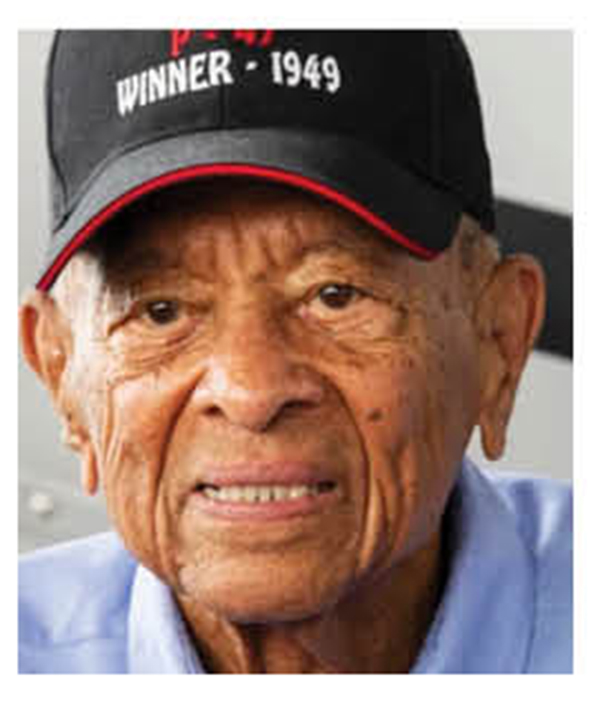 Stewart, Jr. was a retired U.S. Air Force officer and one of the legendary Tuskegee Airmen, the first African American military aviators in the United States Armed Forces. Born on July 4, 1924, Stewart served during World War II as a fighter pilot in the 332nd Fighter Group, famously known as the “Red Tails.”
5
Irv Gotti, influential record executive, producer, and entrepreneur, age 54
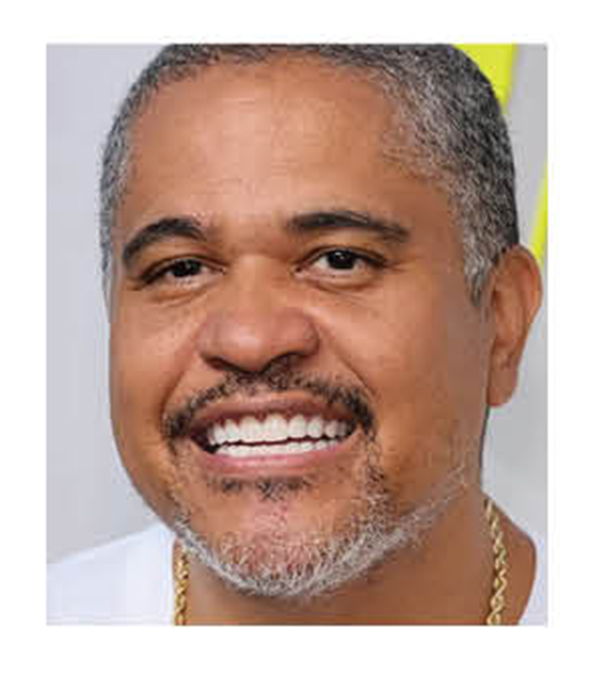 Gotti, the influential record executive, producer, and entrepreneur best known for founding Murder Inc. Records, passed away. The cause of his death remains undisclosed.
20
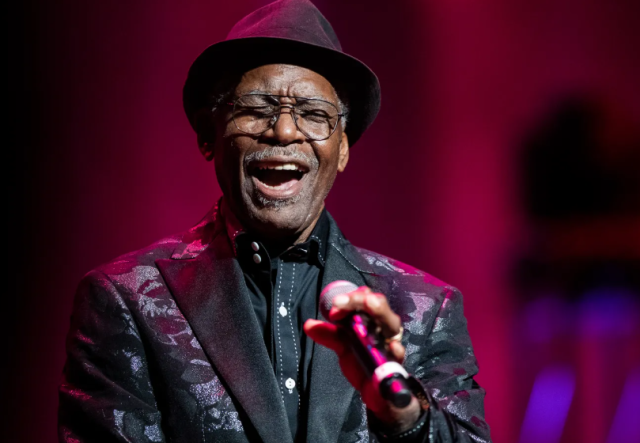
Jerry “Iceman” Butler, soul singer-songwriter, producer, musician, age 85
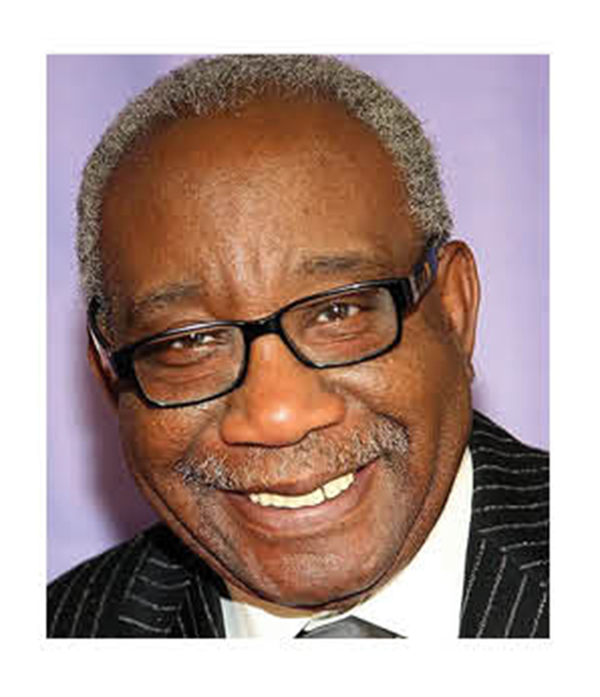 Butler initially gained fame as the lead singer of the R&B group The Impressions, a groundbreaking act that included iconic names like Curtis Mayfield. Together, they created influential tracks such as 1958’s “For Your Precious Love,” which Butler co-wrote and which became their defining hit.
24
Roberta Flack, R&B star, age 88
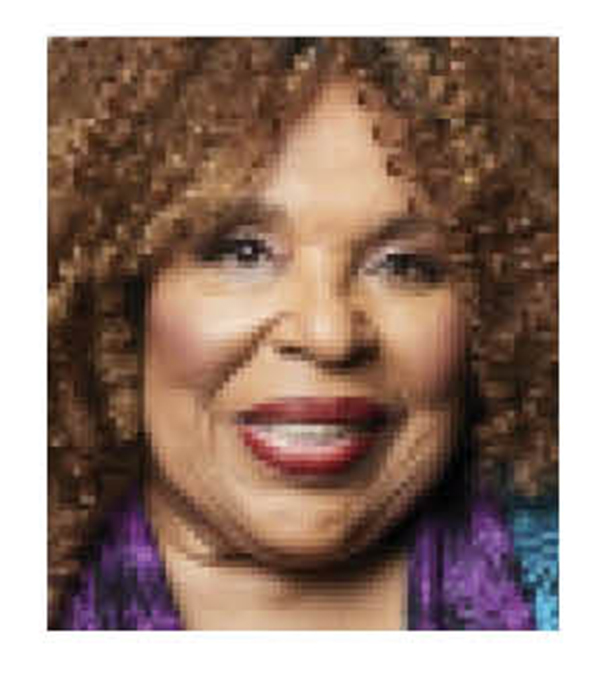 Born in Black Mountain, North Carolina, Flack’s musical talent was evident from a young age. She began studying piano at 9 and later earned a full scholarship to Howard University at just 15, becoming one of its youngest students. Her career soared when Clint Eastwood featured her rendition of “The First Time Ever I Saw Your Face” in his 1971 film Play Misty for Me. The emotional ballad became a chart-topping hit and earned her the Grammy Award for Record of the Year in 1973.
Dr. Alvin Poussaint, Harvard professor Cosby Show consultant, age 90
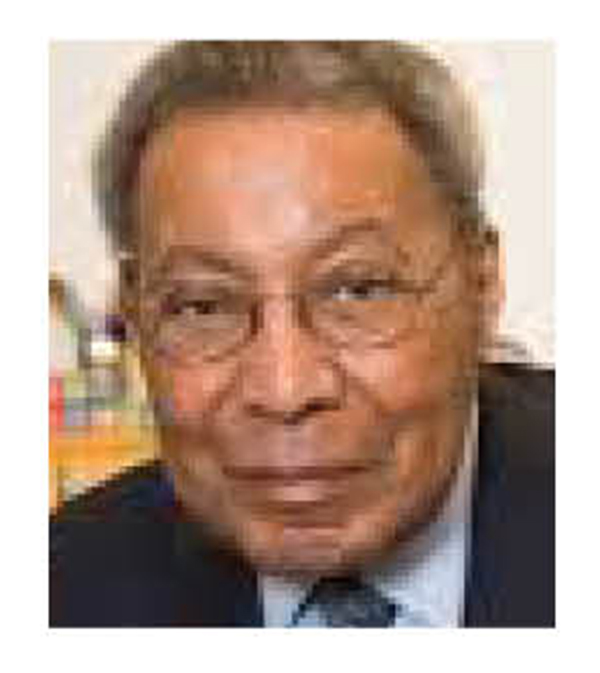 Dr. Poussaint studied the tendrils of systemic racism and Black self-sufficiency along with serving as a consultant to hit TV shows.
MARCH
1
Angie Stone, R&B singer, age 63
 Grammy-nominated singer/songwriter Stone was killed in an Alabama auto accident. Her daughter, Diamond, confirmed the news on social media, simply saying “My Mommy is gone.” The singer was killed on her way home from a show in Montgomery, Alabama.
4
Roy Ayers, iconic jazz vibraphonist, age 84
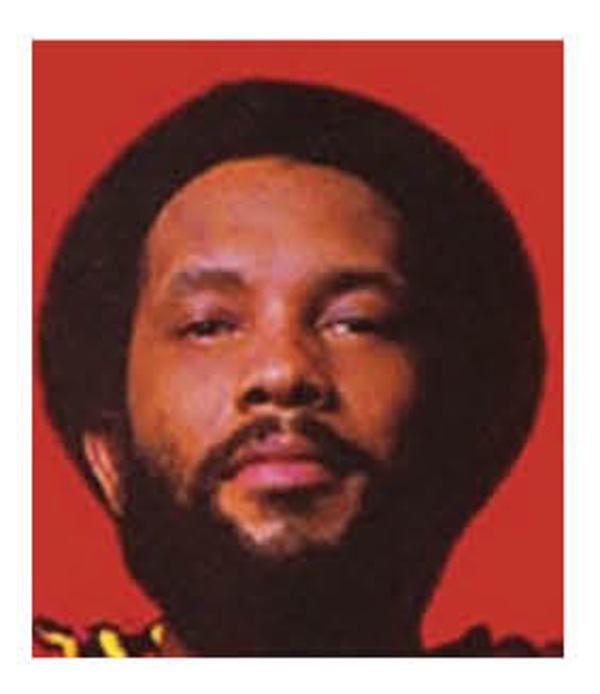 Ayers, the iconic jazz vibraphonist celebrated for his groundbreaking contributions to jazz-funk and neo-soul, passed away in New York City after a prolonged illness.
5
Sylvester Turner, former Houston mayor, age 70
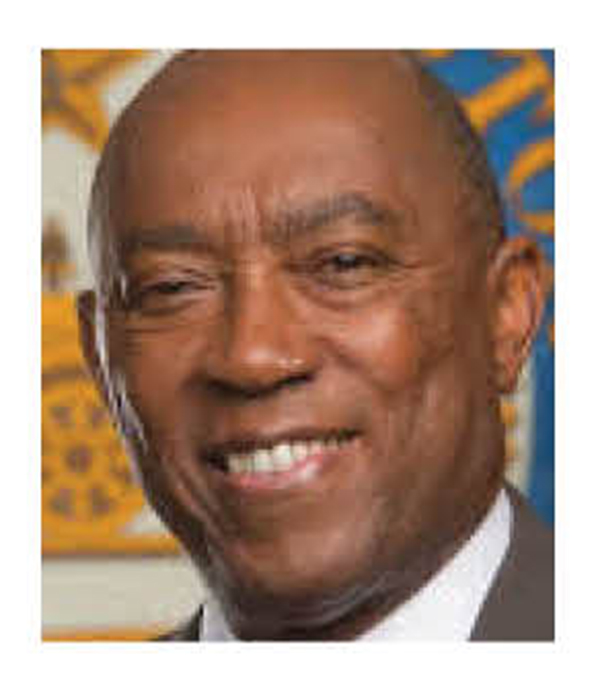 A Houston native, Turner began his career in law after graduating from Harvard Law School. In 1983 he founded Barnes & Turner, his own law firm in addition to his duties as a professor and lecturer at several law schools. His move to the political arena would see Turner serve two terms as mayor of the City of Houston after being elected in 2016.
7
D’Wayne Wiggins, co-founder Toni! Toni! Tone, age 64
 Born in Oakland, CA on Feb. 14, 1961, Wiggins formed the band with brother Raphael Saadiq and cousin Timothy Riley in the late 1980s. The band released their debut album, Who?, in 1988. The album’s first single, “Little Walter,” hit #1 on the R&B charts, and the album peaked at #69 on the Billboard 200. In 2023, the original Tony! Toni! Toné! lineup reunited for a tour celebrating the 30th anniversary of Sons of Soul, the band’s first tour in 25 years.
9
Voletta Wallace, mother of legendary rapper The Notorious B.I.G. age 78
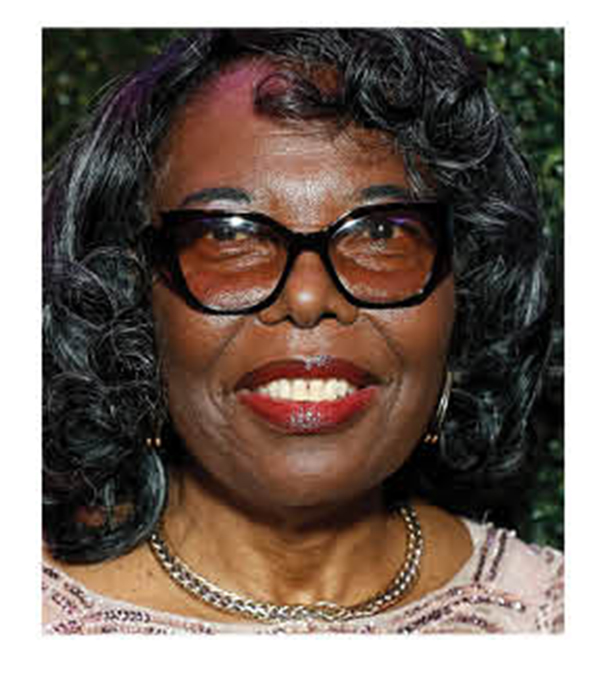 A former schoolteacher who, as a single parent raised Christopher Wallace, in Brooklyn, became a tireless advocate for his legacy, establishing the Christopher Wallace Memorial Foundation for education and arts, and managing his estate in Brooklyn. She died of natural causes. Her dedication to her son’s memory and her work with the foundation continued until her final days.
11
Junior Bridgeman, former NBA star, businessman, age 71
 Junior Bridgeman, a former University of Louisville basketball star and billionaire entrepreneur, has died following a medical emergency during a fundraising event at the Galt House Hotel in Louisville. Known for his time with the Milwaukee Bucks and Los Angeles Clippers, Bridgeman transitioned from the NBA to extraordinary business success, owning over 450 restaurant franchises, a Coca-Cola bottling operation, and Ebony and Jet magazines.
21
George Foreman, two-time heavyweight champion of the world, age 76
 Foreman’s family released a statement on Foreman’s official Instagram account, saying “Our hearts are broken. With profound sorrow, we announce the passing of our beloved George Edward Foreman Sr. …” A devout preacher, a devoted husband, a loving father, and a proud grand and great grandfather, he lived a life marked by unwavering faith, humility, and purpose.
23
Mia Love, first Black Republican woman and Haitian American in Congress, age 49
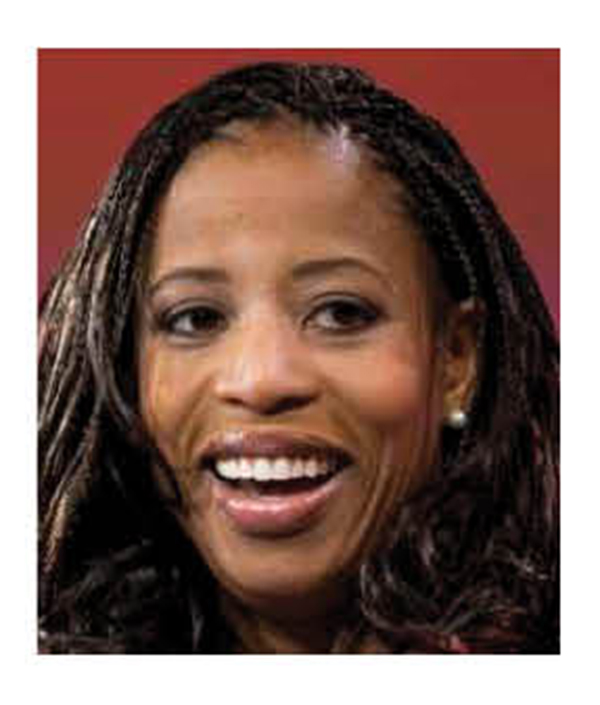 Love was the first Black Republican woman and Haitian American in Congress. A former Saratoga Springs, UT mayor, she championed fiscal responsibility. Love passed away after a three-year battle with brain cancer.
APRIL
21
Clarence O. Smith, visionary co-founder of ESSENCE Magazine, age 92
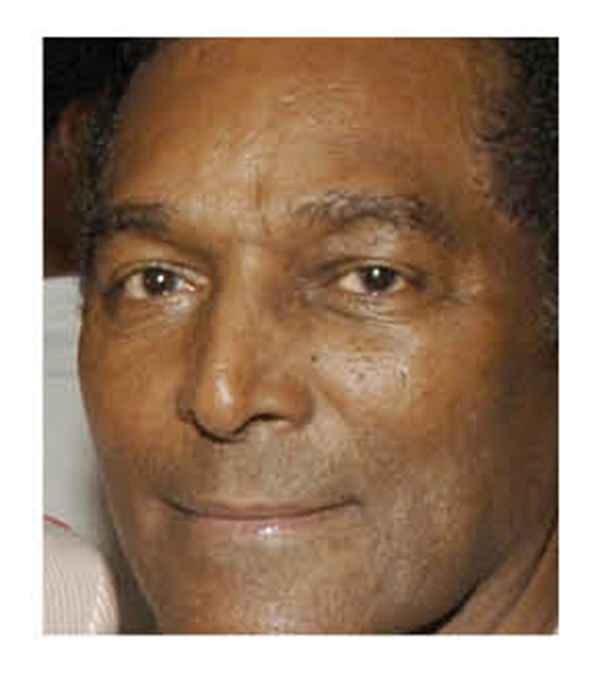 Smith, the visionary co-founder of ESSENCE Magazine, passed away leaving behind an indelible mark on the world of media and culture. A pioneer in his field, Smith worked tirelessly to champion the voices and influence of Black women, reshaping the landscape of both the magazine industry and advertising. Beyond print media, Smith’s influence extended to creating cultural staples like the ESSENCE Awards and the ESSENCE Festival of Culture, which remains one of the largest gatherings of Black people globally.
25
Alexis Herman, first Black secretary of labor, age 77
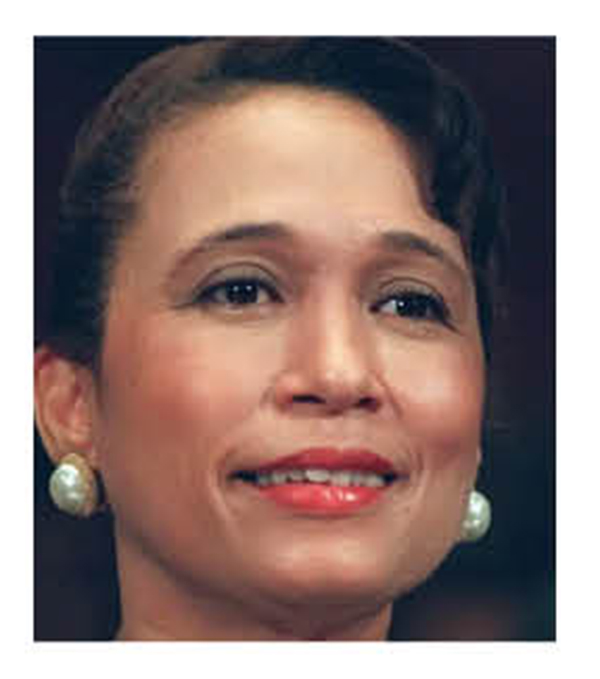 Alexis Herman, who made history as the first Black secretary of labor in the United States, broke barriers at every stage—from fighting for school desegregation in her hometown, leading the Women’s Bureau under President Carter at just 29, to becoming a trusted voice for workers, women, and community on the national stage. When President Bill Clinton tapped her to lead the Department of Labor in 1997, she not only earned bipartisan support, but also shattered glass ceilings for future generations.
27
Dick Barnett, basketball Hall of Famer, age 88
 Barnett, a basketball Hall of Famer and two-time NBA champion, left an indelible mark on basketball history. Barnett’s career was defined by excellence, starting with his college years at Tennessee A&I (now Tennessee State), where he led the Tigers to three consecutive NAIA Championships from 1957 to 1959. His remarkable performances earned him All-American honors and two NAIA Tournament MVP awards. He later worked tirelessly to secure recognition for his college team, culminating in their enshrinement in the Naismith Memorial Basketball Hall of Fame in 2019.
MAY
2
Jim Dent, trailblazing Black golfer, age 85
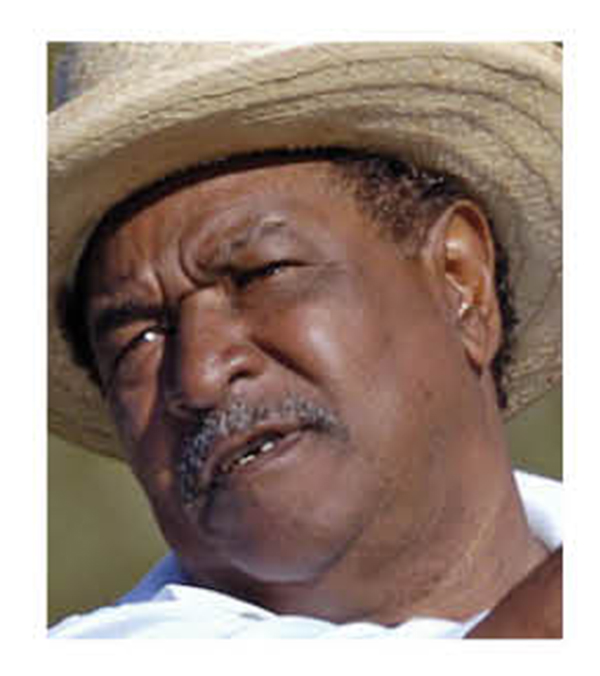 Dent, a trailblazing Black golfer known for his incredible skill and determination, was born and raised in Augusta, Georgia. His humble beginnings as a caddie at the local municipal golf course, “The Patch,” laid the foundation for his extraordinary career. Despite losing both parents by age 12 and facing countless challenges, he found his passion for golf on the same grounds where the Masters is held. His most notable PGA performance came in the 1972 Walt Disney World Open, where he finished runner-up behind Jack Nicklaus.
11
John Edwards, former lead singer of The Spinners, age 80
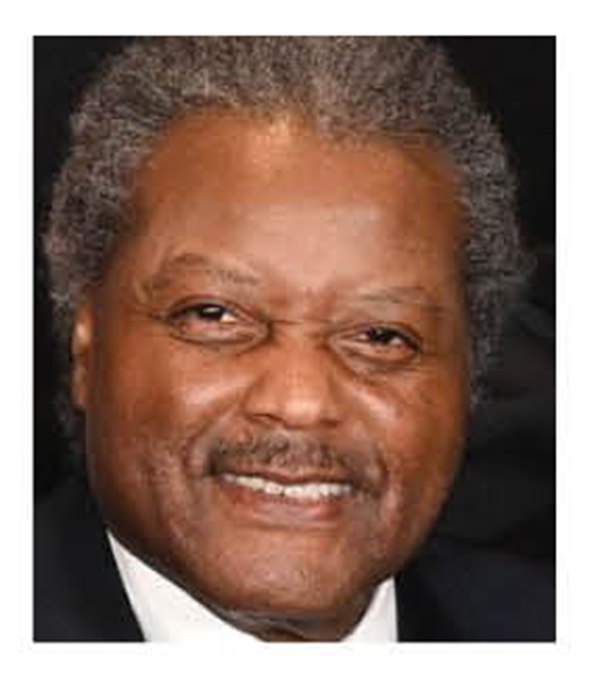 Edwards, the former lead singer of The Spinners, marked the end of an era for one of R&B’s most beloved vocal groups. Edwards, who joined The Spinners in 1977, brought his powerful voice and unique style to the group during their second wave of success. Stepping in after Philippe Wynne’s departure, Edwards made an indelible mark with hits like “Working My Way Back to You” and “Cupid,” showcasing his incredible range and soulful tones.
23
Sacha Jenkins, a pivotal figure in hip-hop culture, age 54
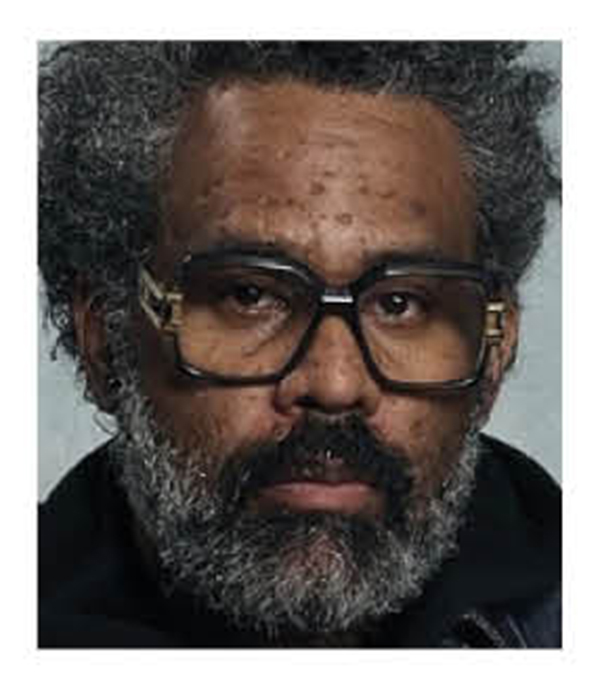 Jenkins, a pivotal figure in hip-hop culture, leaves behind a legacy that spans journalism, filmmaking, and cultural preservation. Raised in Queens, Jenkins co-founded ego trip magazine in 1994, shaping hip-hop journalism and spearheading projects like ego trip’s Book of Rap Lists. His work graced major outlets such as The Source and Rolling Stone, and he co-wrote Eminem’s biography, The Way I Am. Jenkins’ directorial credits include the acclaimed Wu-Tang Clan: Of Mics and Men and Fresh Dressed, celebrating hip-hop’s history.
26
Charles Rangel, 23 terms in Congress, age 94
 Rangel’s career was marked by historic achievements and steadfast dedication to his Harlem constituents. He served 23 terms in Congress, representing New York’s 15th congressional district from 1971 to 2017. A champion for civil rights and economic justice, Rangel co-founded the Congressional Black Caucus in 1971, a pivotal step in amplifying Black voices in the legislative process.
JUNE
5
Wayne Lewis, founding member of the legendary group Atlantic Starr, age 68.
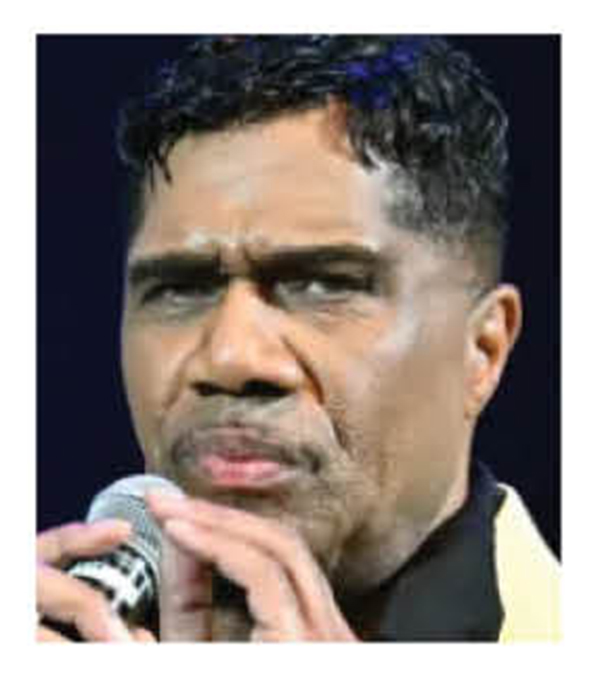 When Lewis, a beloved voice in R&B and a founding member of the legendary group Atlantic Starr, passed away fans and fellow musicians alike mourned his loss, calling him “the voice of a generation.” The group achieved major success in the 1980s and 1990s with songs like “Always.” Another classic, “Secret Lovers,” helped secure their roster with Warner Brothers and made them an enduring name in R&B.
9
Sly Stone, iconic frontman of Sly and the Family Stone, age 82
 A musical pioneer, Stone redefined genres like funk, soul, R&B, and rock, leaving an indelible mark on music history. Stone was a monumental figure, a groundbreaking innovator, and a true pioneer who redefined the landscape of pop, funk, and rock music.
11
Ananda Lewis, cherished MTV VJ and talk show host, age 52
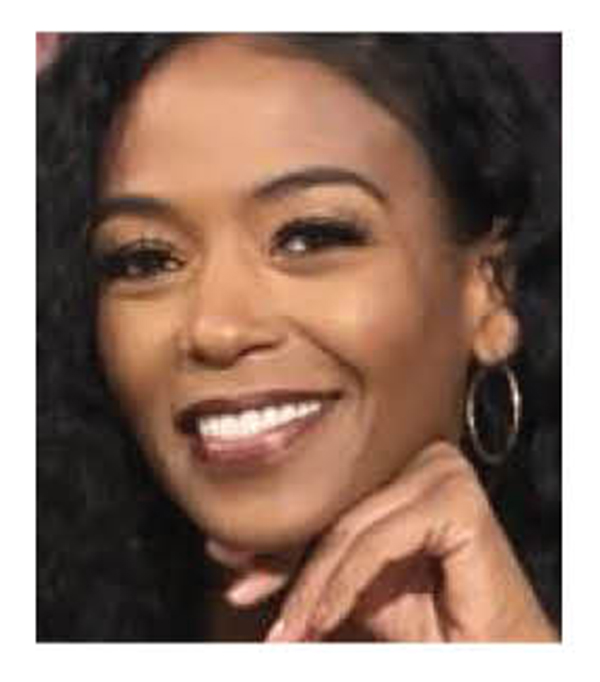 Lewis, a cherished MTV VJ and talk show host emerged as a cultural icon in the late 1990s. She became a household name hosting Total Request Live and Hot Zone. Later, she pursued deeper storytelling on The Ananda Lewis Show.
19
Lynn Hamilton, Donna Harris on Sanford and Son, age 95
 Born in Yazoo City, Mississippi, Hamilton’s career spanned over five decades. She studied acting at Chicago’s Goodman School of Drama and debuted in John Cassavetes’ Shadows (1959). Her TV credits include The Waltons, Roots: The Next Generation, and Generations, but her role as Fred Sanford’s fiancée remains iconic.
Cavin Yarbrough, one-half of the legendary R&B duo Yarbrough & Peoples, age 71
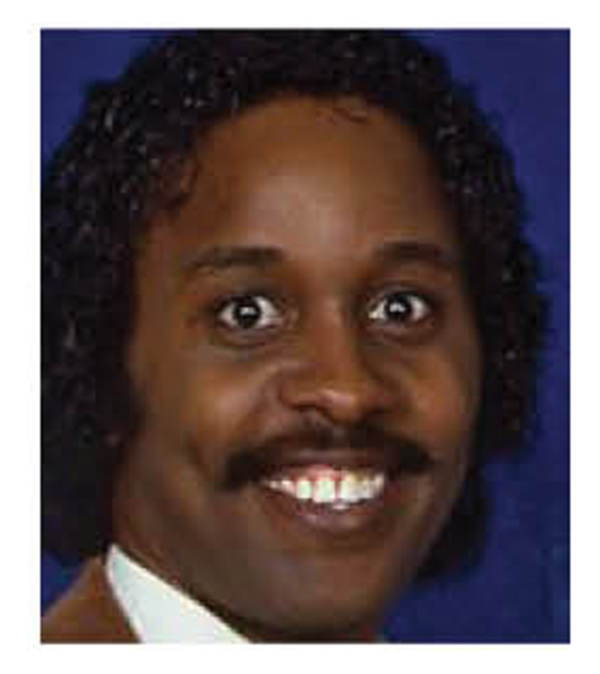 Yarbrough, one-half of the legendary R&B duo Yarbrough & Peoples, passed away due to complications from heart disease. The duo, best known for their 1981 hit “Don’t Stop The Music,” left an indelible mark on the 1980s music scene. Their unique blend of soulful vocals and funky beats produced other hits like “Heartbeats” and “I Wouldn’t Lie.”
26
Walter Scott, co-founder of the legendary R&B group The Whispers, age 81.
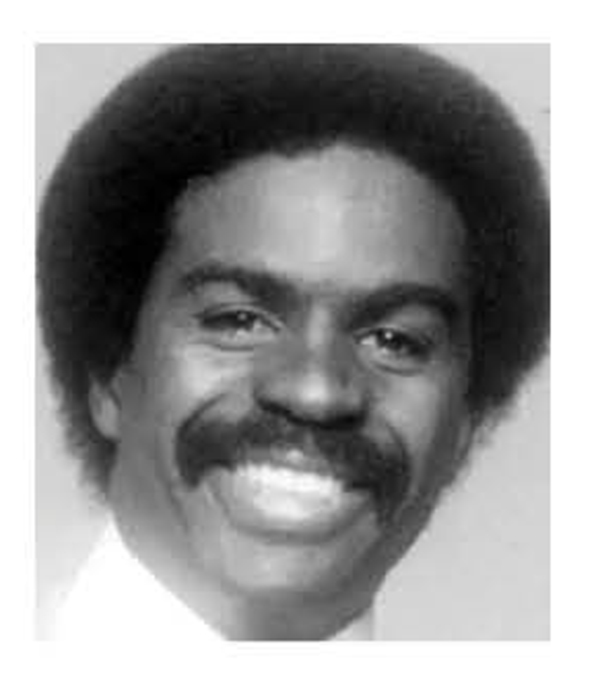 Scott, co-founder of the legendary R&B group The Whispers, passed away after a brief illness. Known for their smooth harmonies and timeless hits, The Whispers became a cornerstone of soul music, touching millions of fans worldwide. Formed in Los Angeles in the early 1960s, The Whispers included Walter and his twin brother Wallace “Scotty” Scott, alongside Nicholas Caldwell and Gordy Harmon
JULY
7
Mama Mosie Burks, legendary figure in gospel music, age 92.
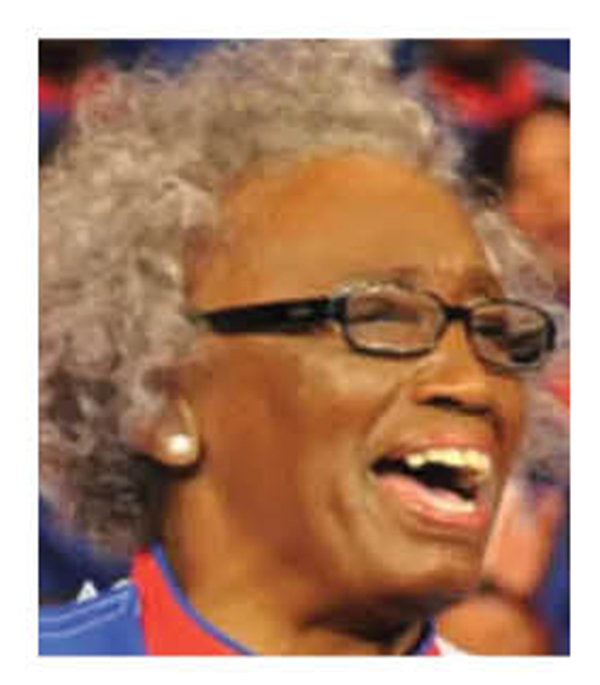 Burks, known for her powerful voice and unwavering faith, was a cornerstone of the Mississippi Mass Choir, leaving an indelible mark on the genre. Her soulful renditions of gospel classics like “They Got the Word” and “I’m Not Tired Yet” became anthems of hope and inspiration. Her commanding voice and heartfelt performances helped define the choir’s signature sound, earning them global recognition.
AUGUST
1
Rahaman Ali, brother of boxing legend Muhammad Ali, age 82.
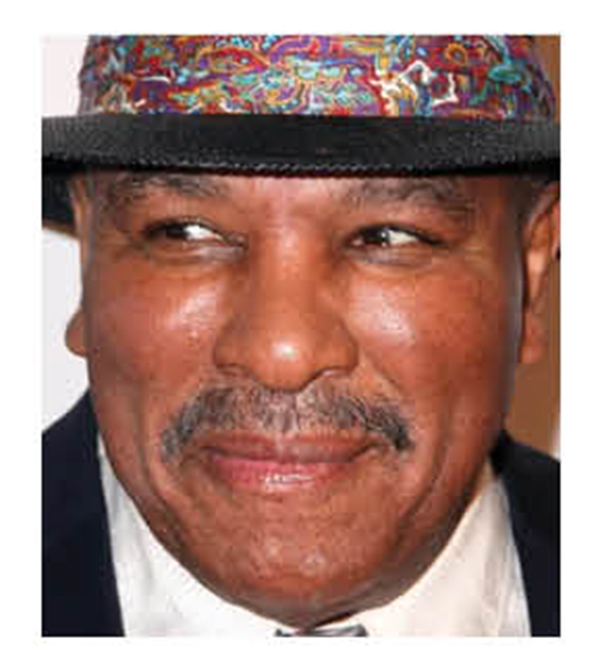 Born Rudolph Arnett Clay on July 18, 1943, Ali pursued a professional boxing career from 1964 to 1972, often training and traveling with his iconic brother. While his own career was modest, Rahaman was a constant source of support for Muhammad, embodying the spirit of “my brother’s keeper.”
11
Danielle Spencer, actress on popular ‘What’s Happening’ sitcom, age 60.
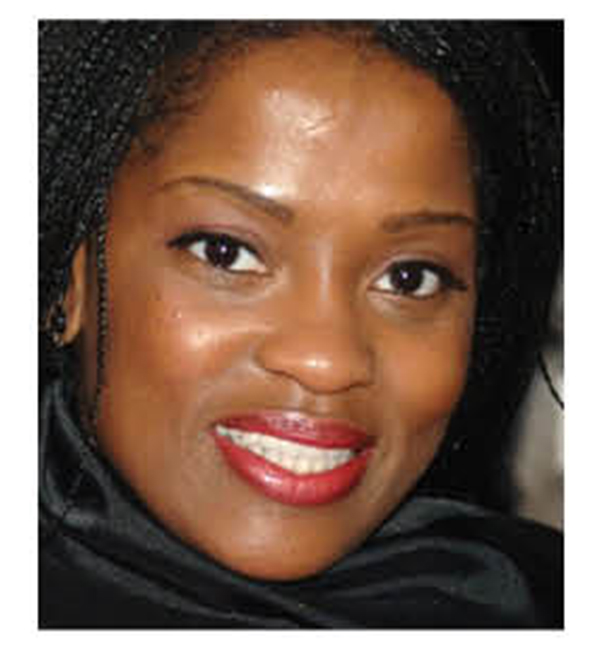 Dr. Danielle Spencer, best known for her role as Dee Thomas on the 1970s sitcom What’s Happening!!, affectionately referred to as “Dr. Dee,” was remembered as a “brilliant, loving, positive, pragmatic warrior” who battled cancer with resilience.
18
Malcolm-Jamal Warner, actor best known for his role as Theo Huxtable on The Cosby Show, age 54
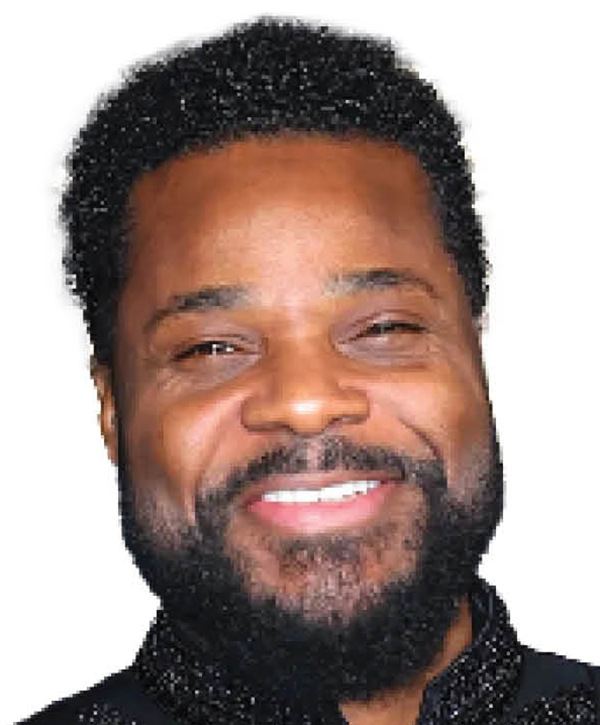 Warner, beloved actor best known for his role as Theo Huxtable on The Cosby Show, Warner drowned while on a family vacation in Costa Rica. Warner rose to fame in the 1980s as the charming and relatable Theo, the only son of Bill Cosby’s character, Dr. Heathcliff Huxtable. His performance on the groundbreaking sitcom, which aired from 1984 to 1992, earned him critical acclaim and cemented his place in television history.
SEPTEMBER
1
George Raveling, basketball coach, age 88
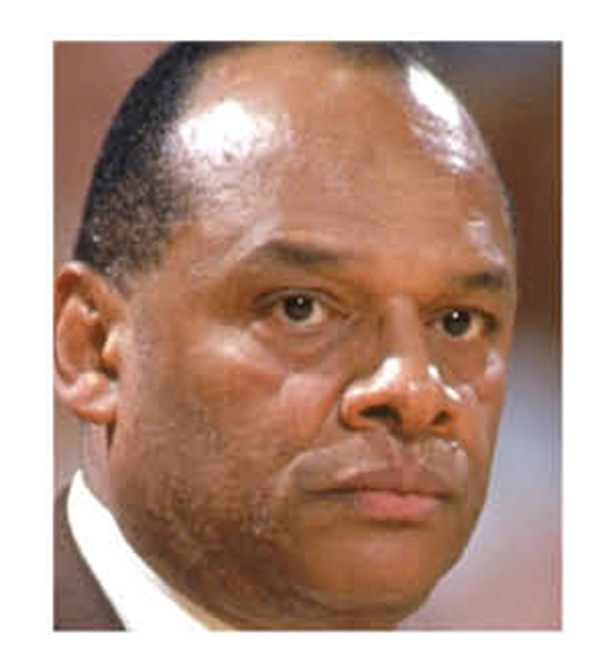 Raveling’s basketball career began as a player at Villanova from 1957 to 1960. He later served as an assistant coach at his alma mater in 1963 before leading programs at Maryland, Washington State, Iowa, and USC. He earned three Pac-10 Coach of the Year honors and was inducted into the College Basketball Hall of Fame in 2013 and the Naismith Memorial Basketball Hall of Fame in 2015.
25
Assata Shakur, political activist, revolutionary, age 78
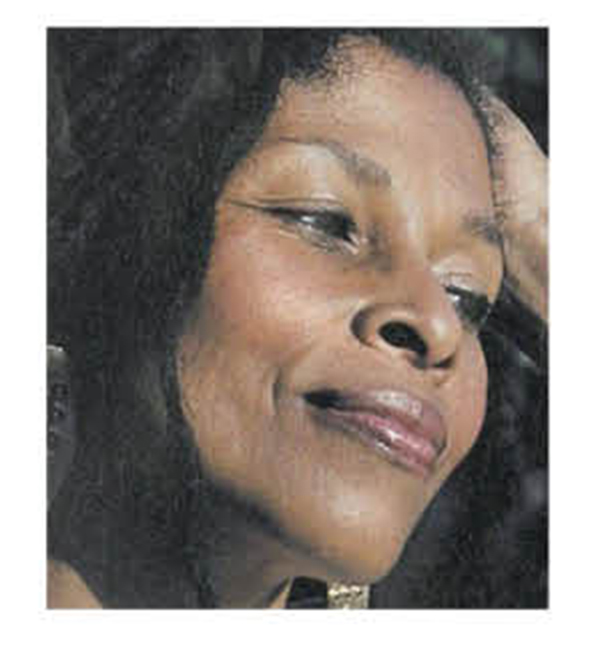 Born JoAnne Deborah Byron on July 16, 1947, in Queens, New York, the godmother and step-aunt of Tupac Shakur transformed herself into one of the most influential figures of the Black Liberation Movement. She was a member of the Black Panther Party before joining the Black Liberation Army, where she fought fiercely against white supremacy, capitalism, and state violence. Shakur was given political asylum in Cuba after her 1979 escape from a U.S. prison where she had been serving a life sentence for killing a police officer.
OCTOBER
4
Ike Turner, Jr., the recording studio founded by his father and namesake, age 67
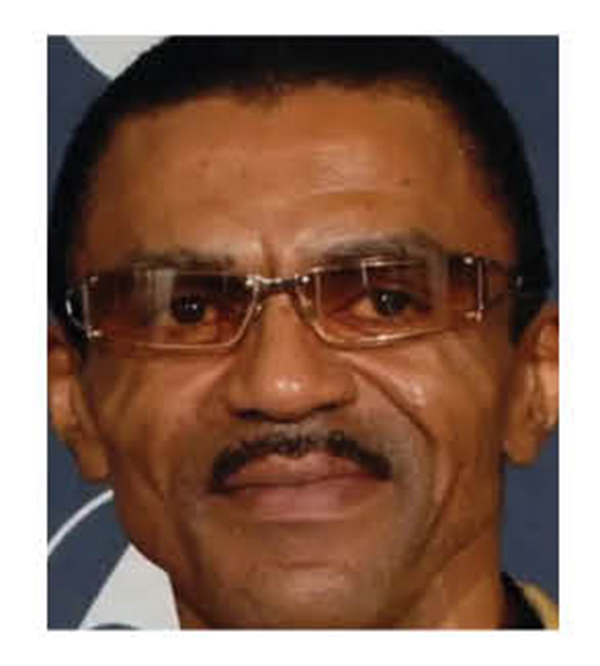 Ike Jr. played a pivotal role in managing Bolic Sound Studios, the recording studio founded by his father. Over the years, he became a highly sought-after sound engineer and musician. His contributions to the music industry were recognized in 2007 when he won a Grammy for Best Traditional Blues Album for his work on his father’s album, Risin’ With The Blues.
14
D’Angelo, R&B singer, age 51
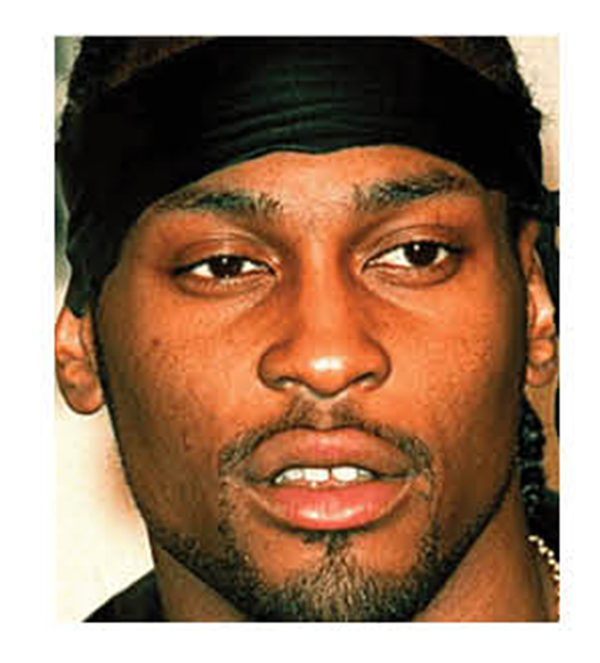 Michael Eugene Archer better known as D’Angelo, passed away following a private battle with pancreatic cancer at 51 years old. The singer’s debut album, ‘Brown Sugar’ sold over two million copies. His last official body of music was over a decade ago with the release of Black Messiah, a joint project with a collective deemed as The Vanguard and what was expected to be a “comeback” album; at that point, it was his first album in 14 years.
NOVEMBER
6
Marshawn Kneeland, Dallas Cowboys defensive end, age 24
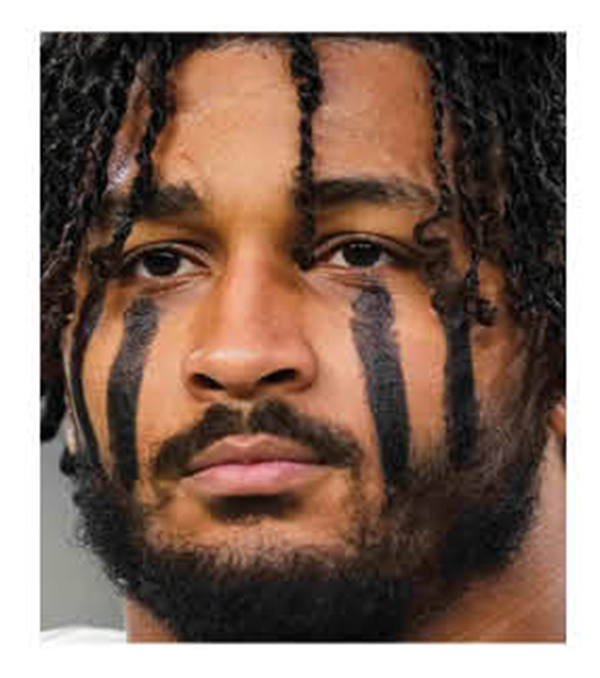 The Dallas Cowboys are mourning the loss of 24-year-old defensive end Marshawn Kneeland, who tragically passed away on Nov. 6. Marshawn was a beloved teammate and family member. The team released a statement saying, “It is with extreme sadness that the Dallas Cowboys share that Marshawn Kneeland tragically passed away this morning. Marshawn was a beloved teammate and member of our organization. Our thoughts and prayers regarding Marshawn are with his girlfriend, Catalina, and his family.”
9
Lenny Wilkens, NBA Hall of Famer, age 88
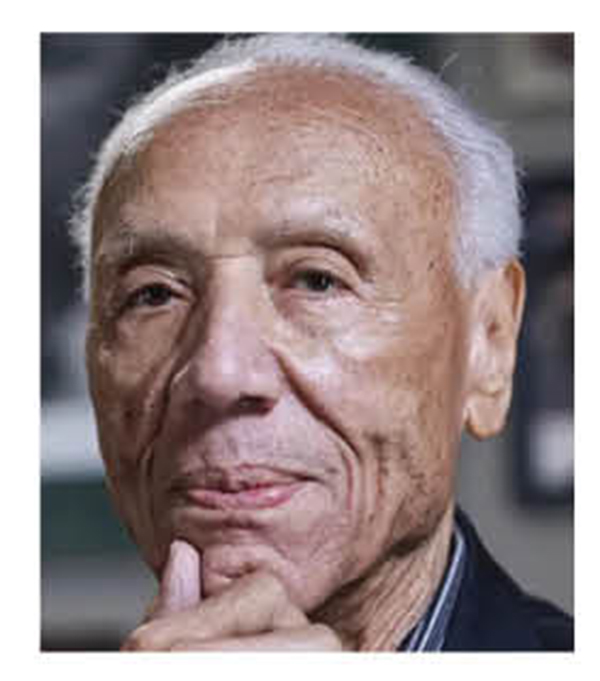 Wilkens was inducted into the Hall of Fame three times: as a player, a coach and as an assistant on the “Dream Team” in 1992. Off the court, he was celebrated for his work in Seattle, helping young people and raising funds for children’s health services. His statue outside the arena in Seattle stands as a testament to his lasting legacy.
23
Jamil Al-Amin, formerly known as H. Rap Brown, activist, age 82
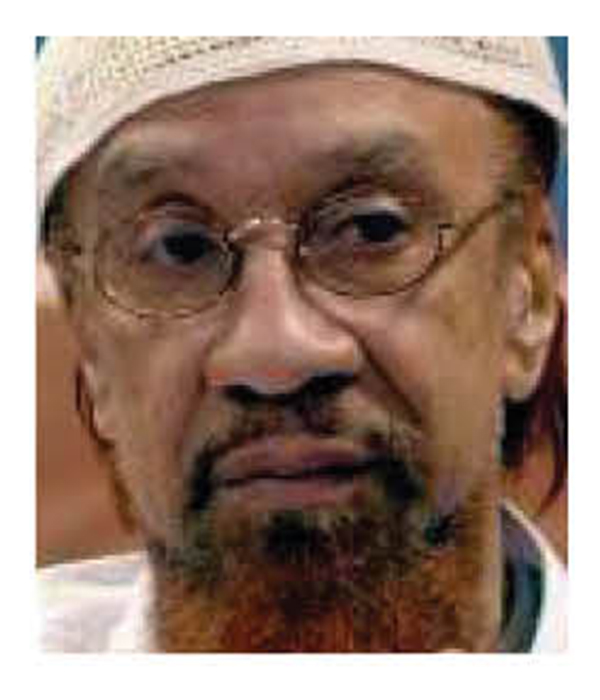 Al-Amin, formerly known as H. Rap Brown, died in a federal prison. The former Civil Rights leader was serving a life sentence for the 2000 murder of Fulton County Deputy Ricky Kinchen. Supporters have long maintained Al-Amin’s innocence, citing claims that another individual confessed. Advocacy groups have urged Fulton County officials to reopen the case.
21
Garry George “Jellybean” Johnson, founding member of Prince’s band The Time, age 69
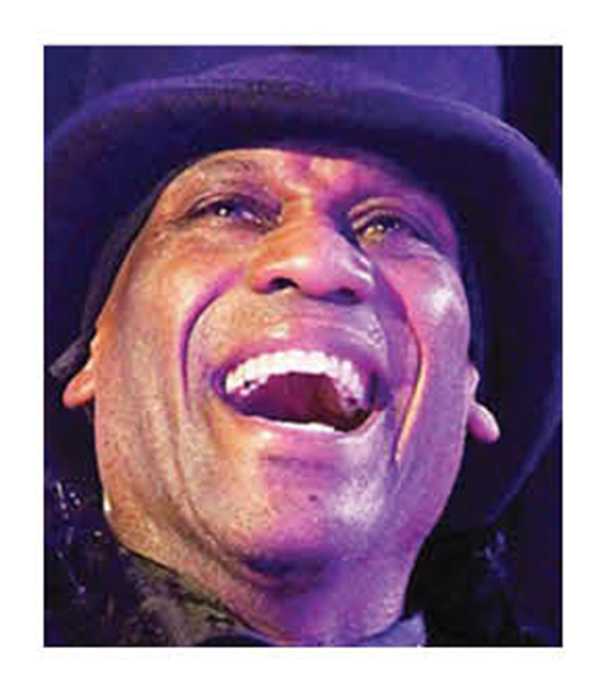 A drummer and producer, Johnson helped define the Minneapolis Sound, a fusion of funk, rock, and soul. He was a key figure in The Time, later Morris Day and the Time, and appeared in the 1984 film “Purple Rain.” Johnson also collaborated with Janet Jackson, producing her 1990 hit “Black Cat.” A devoted family man, Johnson co-founded the Minneapolis Sound Museum to preserve the genre’s legacy.
24
Viola Ford Fletcher, Tulsa Race Massacre, age 111
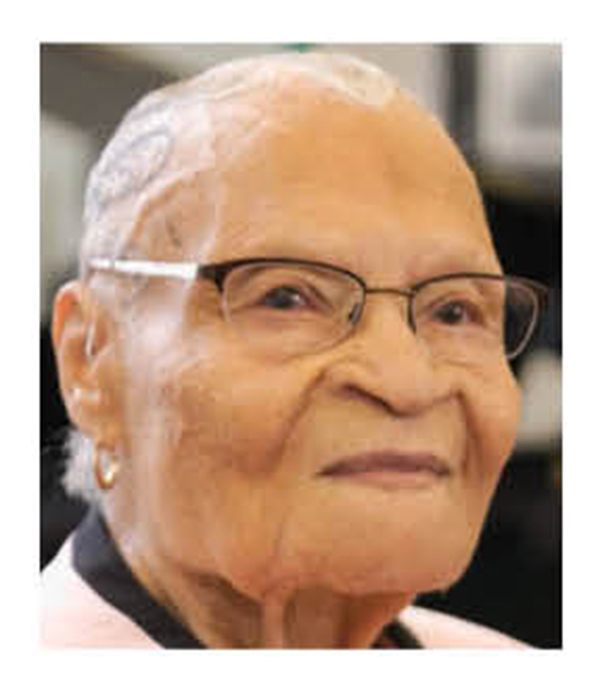 Viola Ford Fletcher, the oldest living survivor of the 1921 Tulsa Race Massacre, passed away peacefully, her grandson Ike Howard said. Fletcher was just seven years old when a white mob destroyed Tulsa’s Greenwood neighborhood, a thriving Black business district, on May 31, 1921. The attack left 35 blocks in ruins, thousands displaced, and many killed. Fletcher often recalled the horrors, saying, “It just stays with me… the fear.”
Jimmy Cliff, reggae pioneer, age 81
 Born in 1944, Cliff gained fame at 14 with his hit “Hurricane Hattie.” He became a reggae pioneer with songs like “Many Rivers to Cross” and “The Harder They Come,” the title track of the 1972 film in which he starred. The movie’s soundtrack helped introduce reggae to international audiences. Cliff earned two Grammy Awards and was inducted into the Rock & Roll Hall of Fame in 2010, joining Bob Marley as the only Jamaicans honored.
December
1
Elden Campbell, former NBA center, age 57
 Campbell, known for his defensive skills and steady contributions, played 15 seasons in the league, averaging 10.3 points, 5.9 rebounds, and 1.5 blocks per game. Drafted 27th overall by the Los Angeles Lakers in 1990, he became a key figure during the team’s transitional years following Magic Johnson’s initial retirement. He played with the Detroit Pistons and in their 2004 championship victory, a full-circle moment against his hometown Lakers.
14
Carl Carlton, the soulful voice behind “She’s a Bad Mama Jama,” age 72
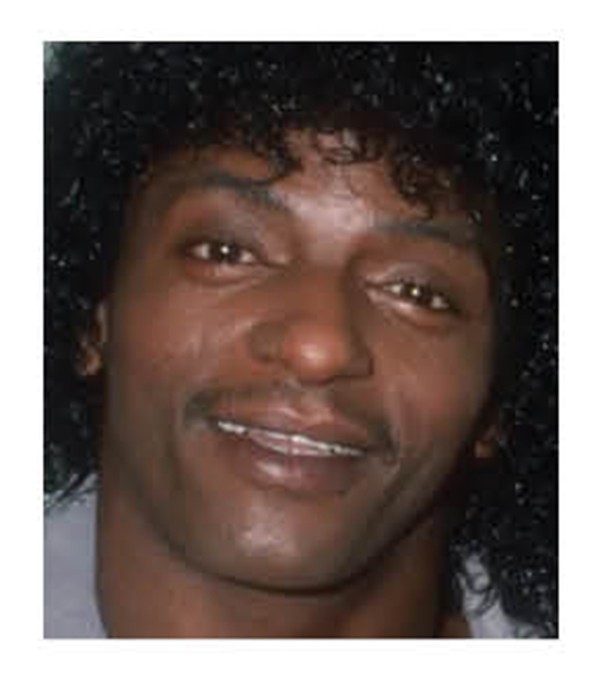 Born in Detroit, he emerged as a standout in the 1970s with a sound that fused smooth soul and infectious funk. His 1974 take on “Everlasting Love” became a pop and R&B staple, while 1981’s “She’s a Bad Mama Jama” earned a Grammy nomination and enduring party anthem status.