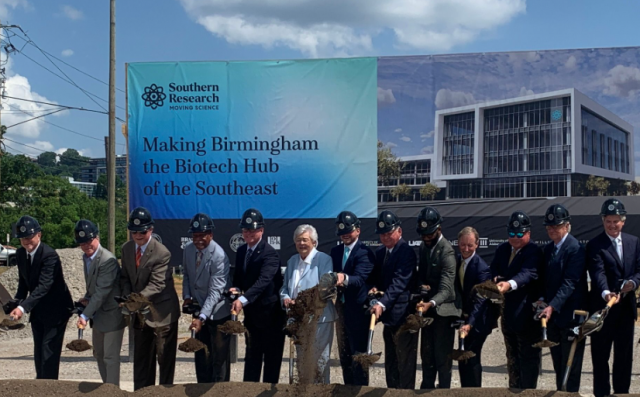
Southern Research Breaks Ground on New $84M Biotech Center in Birmingham

Physicist Frank Wilczek Adds 2022 Templeton Prize To His List Of Accolades
By Paul Glader
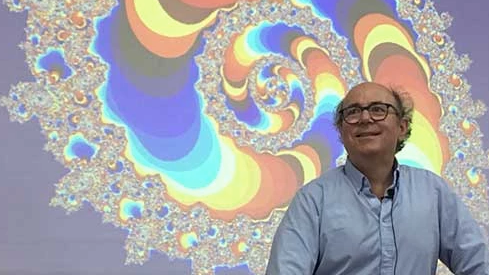
Theoretical physicist Dr. Frank Wilczek isn’t lacking for attention.
He just received the Templeton Prize in 2022, adding to the awards for the thinker who won a Nobel Prize for his explorations into the laws of nature.
“He is one of those rare and wonderful individuals who bring together a keen, creative intellect and an appreciation for transcendent beauty,” said Heather Templeton Dill, president of the John Templeton Foundation, announcing the award on May 11. “Like Isaac Newton and Albert Einstein, he is a natural philosopher who unites a curiosity about the behavior of nature with a playful and philosophical mind.”
The Templeton Prize is given to honor one person each year who advances deep questions about religion, humanity and the universe. The award typically goes to an academic or thinker who uses the power of the sciences to address these questions.
Valued at more than $1.3 million, the prize was started by the late global investor and philanthropist Sir John Marks Templeton and is one of the largest given to an individual each year.
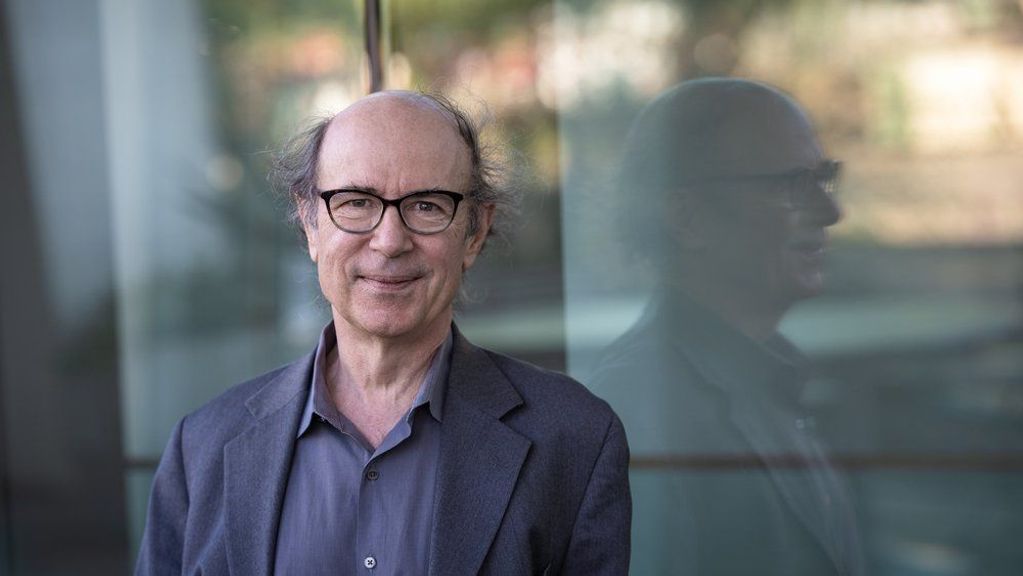
Wilczek, the Herman Feshbach Professor of Physics at the Massachusetts Institute of Technology, won the Nobel Prize in 2004 for his early-career work on the fundamental theory of strong nuclear force. He has continued to work on new concepts in physics, such as time crystals, axions and anyons.
Wilczek, 70, has written several popular books, including “A Beautiful Question” (2015), “The Lightness of Being” (2008) and “Fundamentals” (2021). He writes a column for The Wall Street Journal about scientific subjects. His achievements in physics include establishing theoretical descriptions of one of the four fundamental forces in nature and proposing a leading explanation for dark matter.
“God is under construction,” Wilczek said in a podcast interview with ReligionUnplugged.com. “We are learning what God is. To me, that’s what a lot of fundamental science is about — to understand what the world is and to infuse it with meaning ourselves.
“We, as humans, control a lot of important parts of our destiny. We are, very possibly, the vanguard of complexity and intelligence in the universe — or at least a significant part of it. It’s a tremendous opportunity and also, in a way, a responsibility to do justice in that gift,” he said.
Also in the interview, Wilczek said he was raised in New York City by parents with Italian and Polish backgrounds, who wanted him educated in the Catholic tradition. “I’m very grateful for that.”

“As a child, I took it very, very seriously, and I think it had a residual influence in my later life in helping me to think big and look for the hidden meaning of things.”
Wilczek said he aspired to be a saint as he headed into his teenage years, studying the catechism deeply while also emerging as a gifted child, a prodigy in science. He said over time, his explorations into science and religion began to conflict.
“I couldn’t reconcile the details of the dogma with how the world really works,” he said. Scriptures represent contemporary human knowledge of the ancient times, but didn’t account for the vast scale of the universe or the interior world of quantum mechanics, he said. “That left a void.”
Wilczek said he remained influenced by religious questions as to the hidden meaning to things. “That stayed. It left me with a hunger that I’ve been trying to satisfy ever since.”
Templeton wanted the prize to bear a higher monetary value than the Nobel and other top prizes to show the importance of religion and spirituality intersecting with science and other fields.
The prize has been awarded annually since 1972 to a living person who has “made an exceptional contribution to affirming life’s spiritual dimension, whether through insight, discovery or practical works.” Now called the Templeton Prize, it was previously called the Templeton Prize for Progress in Religion and Templeton Prize for Progress Toward Research or Discoveries About Spiritual Realities.
Early winners of the prize included religious figures such as Mother Teresa in 1973, evangelist Billy Graham in 1982 and Aleksandr Solzhenitsyn in 1983. In the 1990s, winners included evangelical ministry leaders, such as Charles Colson in 1993, infamous for being Richard Nixon’s hatchet man and serving time in prison. Catholic theorist Michael Novak won in 1994 and Campus Crusade for Christ founder and evangelist William R. “Bill” Bright in 1996.
In more recent decades, the award has included many diverse global figures in religion, such as the Dalai Lama XIV from Tibet (China) in 2012 and Desmond Tutu from South Africa in 2013.
This year’s selection follows a trend of the prize being awarded more frequently to scientists. The 2020 winner, Dr. Francis Collins, is a geneticist who headed the National Institutes of Health. The 2021 winner, Jane Goodall, is a British ethologist who became famous for her long-term research on chimpanzees in Gombe Stream National Park in Tanzania.

During a podcast interview with ReligionUnplugged.com, Wilczek referenced Albert Einstein’s pantheistic idea of the “God of Spinoza,” based on the 17th-century Dutch philosopher Baruch Spinoza. He noted that some scientists find the word “God” uncomfortably vague. And some worry that invoking God can be used for evil purposes, whether war or politics.
Wilczek pointed to aspects of high civilization coming from religious ideas, saying he considers St. Augustine an early scientist and believes some scientists, like him, should feel comfortable invoking the idea of God.
“There is a spiritual quality to his ideas,” Heather Templeton Dill said of Wilczek. “Through his written work, he has invited all of us to join him in the quest for understanding. When we come face to face with the beauty that Dr. Wilczek describes, we can’t help but wonder about humankind’s place and purpose in the universe.”
Wilczek said he has a heavy research agenda, pursuing topics such as the Alpha collaboration at CERN, which involves detecting axion particles and their relation to dark matter. He said he’s also writing a book called “Futures” that expands on science and its influence on the future.
“By studying God’s work, we discover what God is,” he said in a Templeton video. “In studying the laws and figuring out the universe and how it works, we are discovering what reality is. In recent years, I’ve been thinking about what it all means.”
Paul Glader is executive editor of ReligionUnplugged.com and a professor of journalism at The King’s College NYC. He has reported from dozens of countries for outlets ranging from The Wall Street Journal, The Washington Post, Der Spiegel Online and others. He’s on Twitter @PaulGlader
Produced in association with Religion Unplugged.
Recommended from our partners
The post Physicist Frank Wilczek Adds 2022 Templeton Prize To His List Of Accolades appeared first on Zenger News.
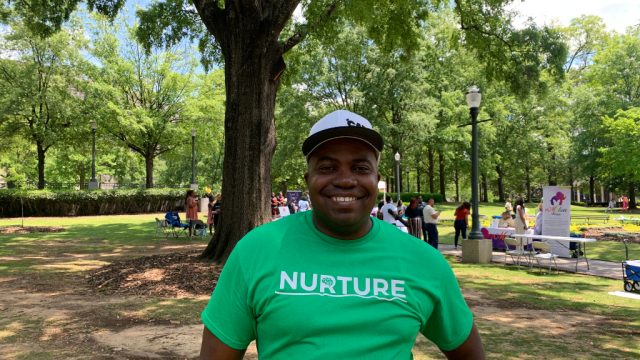
Mental Health Wellness, Often Ignored, Focus of Birmingham Community Day
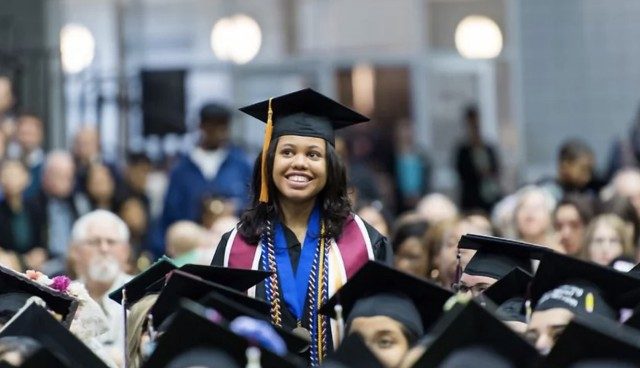
19-year-old becomes youngest African American to graduate law school in U.S.
VIDEO: Mom-believeable: Twins Surprise Stepmom On Mother’s Day By Asking Her To Adopt Them
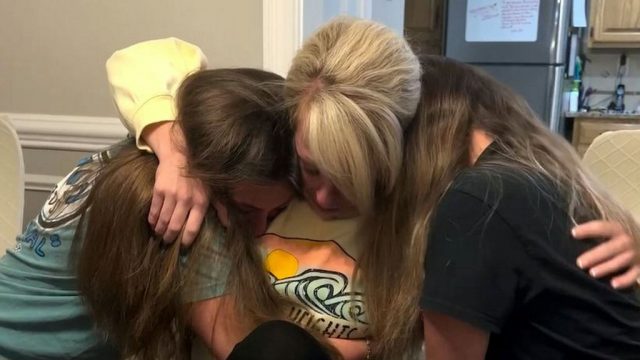
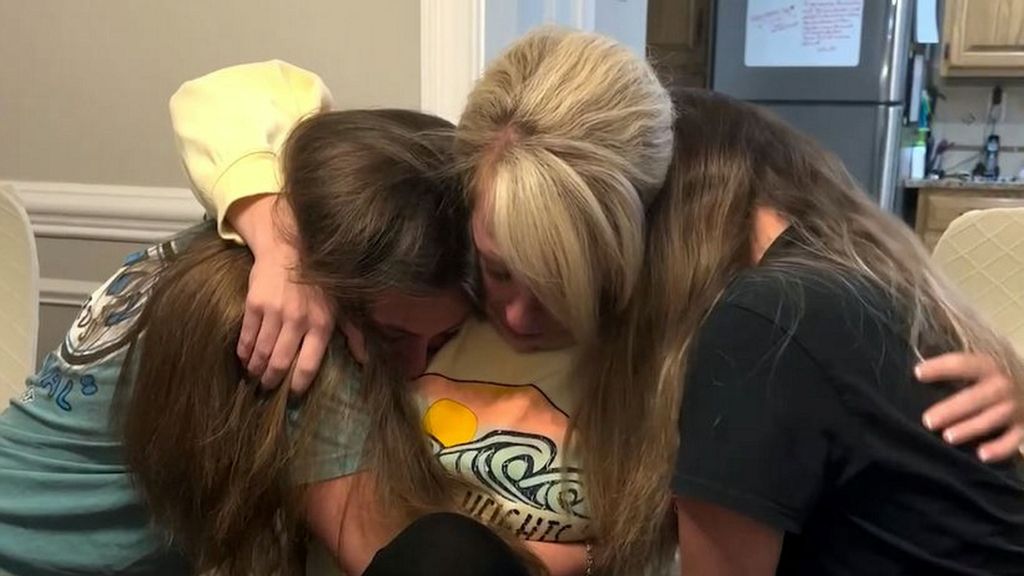
Identical twins asked their stepmom of 12 years to legally adopt them in a special surprise on Mother’s Day.
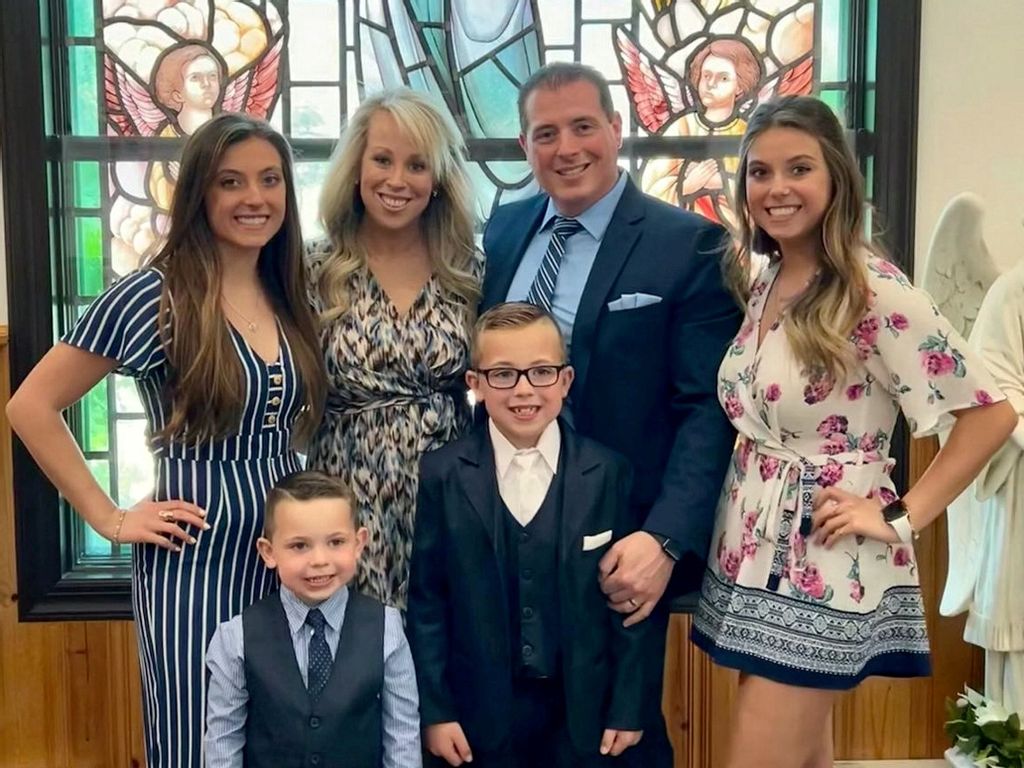
Julianna and Gabriella Ruvolo, 20, immediately felt a connection with stepmom Becky, 37, when their dad, Pete, 50, introduced them to her over a decade ago.
Pete met Becky in 2010 whilst working in the restaurant industry, and the two began dating soon after.
A few months later, Pete introduced Becky to his then-eight-year-old twin daughters, who were excited to meet their dad’s new girlfriend.
But the trio got on famously, and soon Julianna and Gabriella began calling Becky ‘mum’.
The twins now have two brothers, Carmine, seven, and Salvatore, three, and the family of six live happily in Middletown, New Jersey, US, with their two dogs, Sonny and Phoebe.
Pete married Becky in 2013, and since then their family bond has gone from strength to strength.
And, as a special surprise for Becky on Mother’s Day, the twins decided it was the perfect time to ask her to legally adopt them.
In the video, Gabriella and Julianna can be seen presenting Becky with a photo album full of cherished memories they have with her.
The book includes photos from countless holidays and family outings over the years, and on the final page it reads ‘Mum, Will you adopt us?’.
Upon reading the message, Becky is overwhelmed with emotion as she pulls the twins in for a warm embrace.
Becky, a stay-at-home mom, said: “It was the best gift a mom could ask for and I can’t put into words how special that moment was for me.
“It’s all I’ve ever wanted for as long as I can remember, but I wanted to let the girls make the decision by themselves, in their own time.

“We are now undergoing the formal adoption process, and I couldn’t be happier about it.
“The video is something we’ll cherish forever and we’re so excited that we get to share it with the world.”
Julianna said: “It was a natural transition from calling her Becky to mom, because our feelings for each other were so genuine.
“We’d been planning to ask her to adopt us for years, but wanted to wait until we were adults to make the decision independently.”
The video was filmed on May 8.
Recommended from our partners
The post VIDEO: Mom-believeable: Twins Surprise Stepmom On Mother’s Day By Asking Her To Adopt Them appeared first on Zenger News.
VIDEO: New Life: Amputee Headed To The 2026 Paralympics
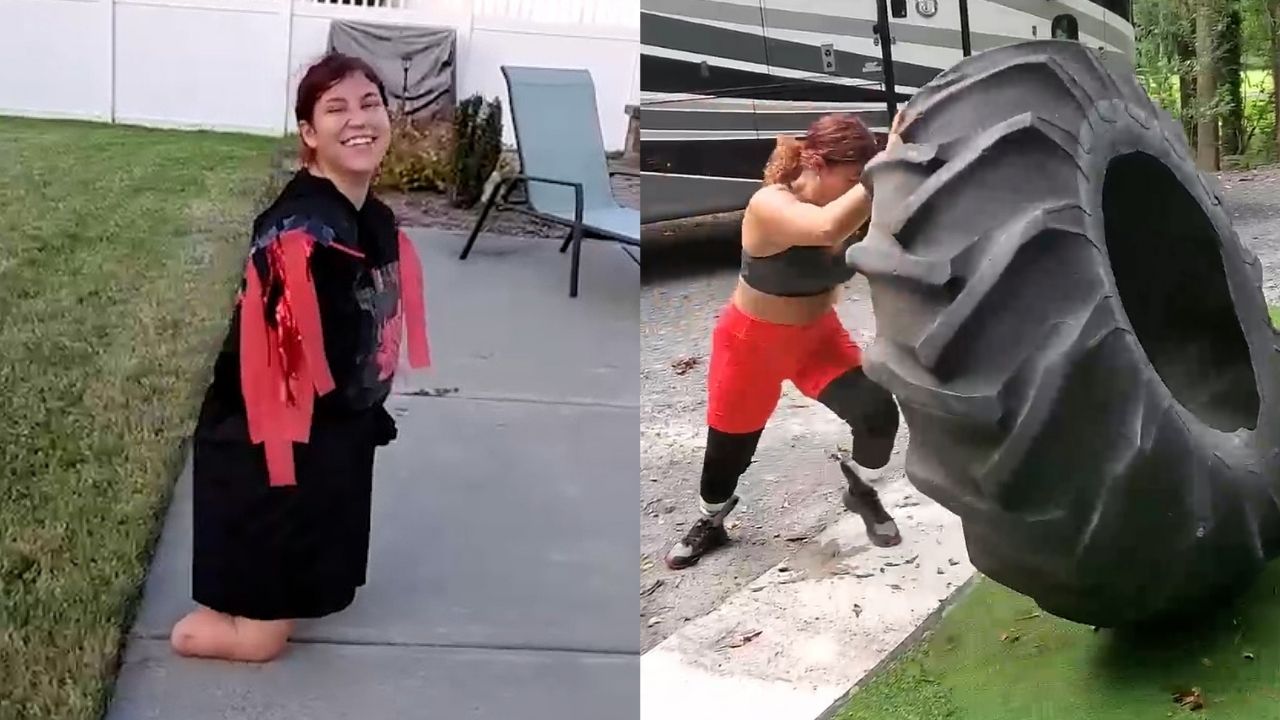
A sporty woman opted to have both her legs amputated after a disability left her wheelchair-bound – and is now training to compete in the Paralympics.
Taylor Layle, 22, was born with a condition called club foot which caused her feet to be turned in – which grew more and more severe over her teenage years.
By the age of 16, it reached a point where she had to begin using a wheelchair and eventually had to give up playing sports due to the pain.
Doctors warned Taylor that she would need corrective surgery, but despite several surgeries throughout 2017, the condition continued to worsen.
So over 2018 and 2019, brave Taylor bit the bullet and opted to have BOTH her legs amputated in a bid to get her active life back.
In 2020, she finally got the prosthetic limbs that would allow this to happen – and now she is training to be a Paralympic snowboarder.
Taylor, from Clemson, South Carolina, said: “I had a normal childhood and was very active, but I had no idea that my feet were breaking down.
“It got worse and worse – to the point that by the time I was 17 if I tried to stand or walk I would pass out from the pain.
“It halted my entire life – I couldn’t get a job or walk and was living with my parents – so amputation would give me the best chance of living pain-free.
“It was a hard and painful process, but two years later I got my prosthetics.
“I remember my first steps with my prosthetics and thinking to myself that it was my first time in years taking a step that wasn’t agony.
“I spotted a post on Instagram about a snowboarding club for people in prosthetics – it sounded amazing.
“I got the hang of it so quickly and it was the most amazing feeling – now I’m hoping to compete in the 2026 Winter Paralympics.”
Communications student Taylor told how her club foot was managed as a child by medication which allowed her to have a “normal childhood”.
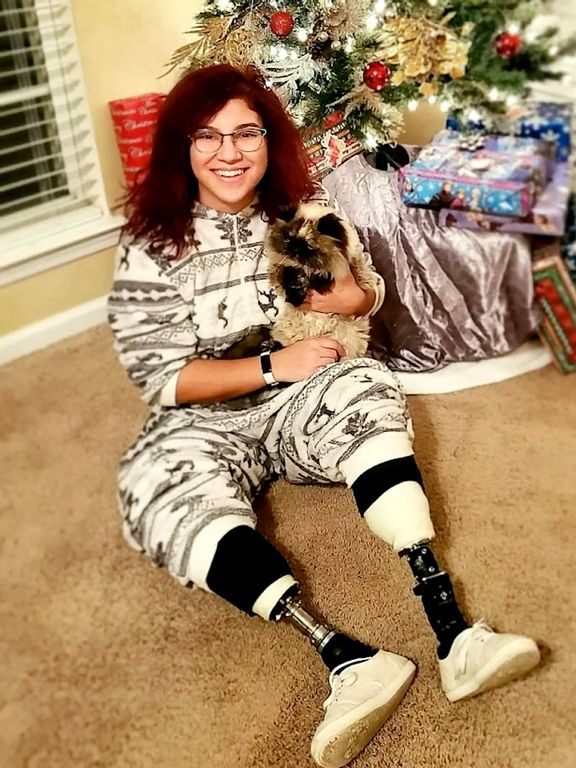
She recalled playing lots of sports such as basketball until the age of around 14, at which point she began suffering from tendonitis and arthritis.
But she didn’t realize how severe things had grown to be until she saw a doctor – who told her it was only going to get worse.
She said: “The pain depended on what I did – eventually I couldn’t make it through basketball practice.
“By 16, I was in a wheelchair because I would pass out from the pain if I tried to stand up or walk.”
She had several smaller surgeries in her teens in a bid to control her worsening pain to the point that she had to skip high school – just months from when she was supposed to graduate.
Taylor recalled people “not believing it” when she told them about her condition because she had been fine in her childhood – and would be accused of skipping school due to laziness.
“I’d been a straight-A student and I loved school,” she said. “But people thought I just didn’t care anymore.”
Eventually, doctors mentioned amputation – which was the only option left that might allow Taylor to one day live pain-free again.
Taylor agreed – and she underwent a below-the-knee amputation of her right leg in July 2018.
Following the major surgery, she experienced phantom pain as well as a difficult healing process that took weeks of bed rest.
The following summer she had her second amputation – an equally difficult process – and she spent a long time in her wheelchair with no alternative.
But in March 2020, as the world went into lockdown, Taylor experienced the most freedom she’d had in years – getting her prosthetic legs.
She said: “The healing process after my amputations was awful – I started to have doubts if it was worth it.
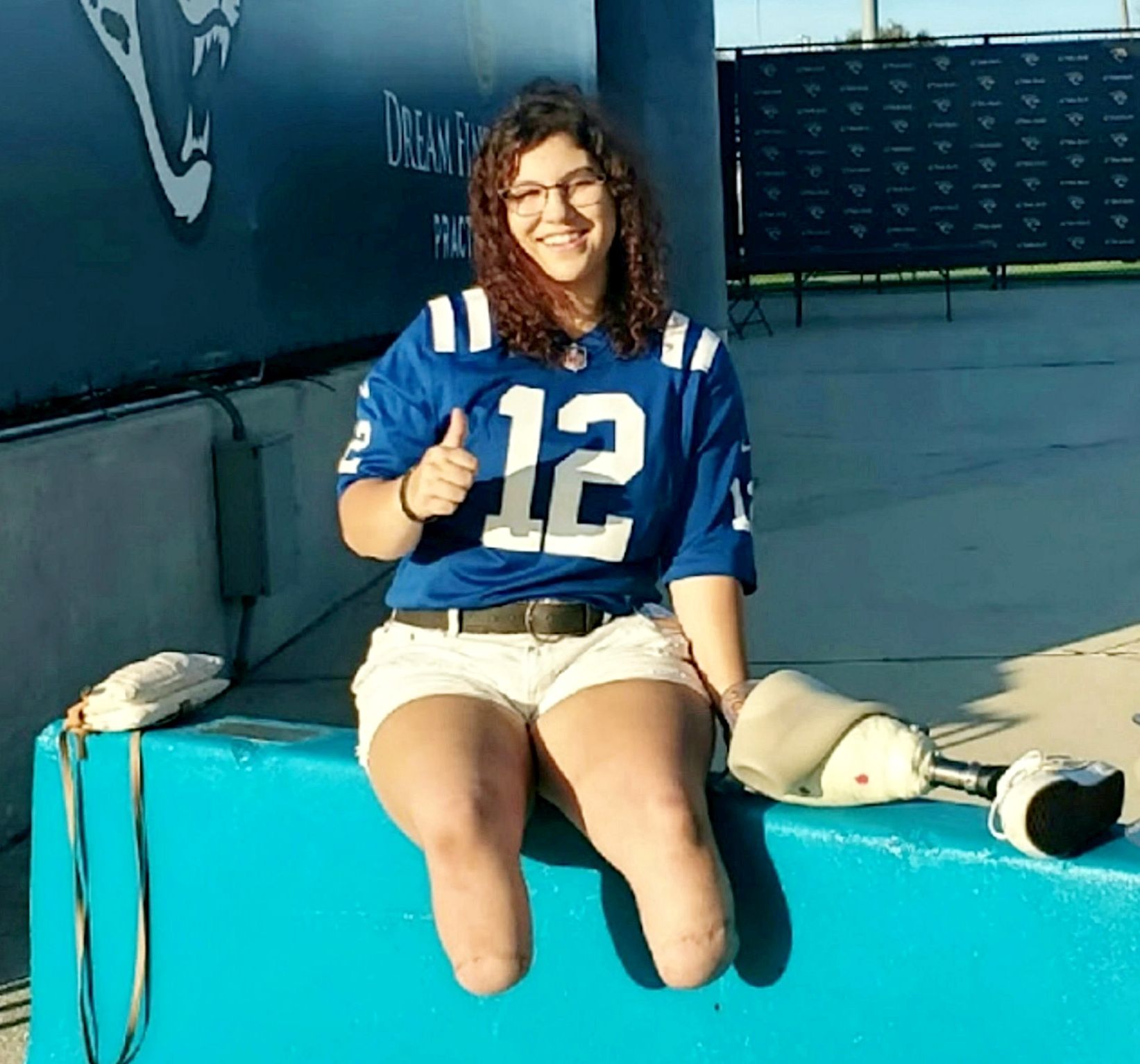
“But when I got my prosthetics it all made sense – I took my first step and thought ‘so that’s what it’s supposed to feel like.
“That was my first step in years that didn’t hurt – it was a relieving and exciting moment.”
She spent months learning how to use her prosthetic legs again and began running through a list of all her favorite things to do, and re-doing them with prosthetics.
This list included rollerblading, soccer, and ice skating – which she managed to do with ease.
But when she saw a post on Instagram about a group of coaches training amputees to snowboard with their prosthetics, she immediately got in touch.
In November 2021, she was out on the slopes for the first time in years – and her first-ever time with prosthetics.
She said: “I felt awesome. As the days went on I really got the hang of it.
“Because I hadn’t done sports properly in so long, it felt amazing to be doing it again.”
Incredibly, after just a few months of snowboarding, she is now in training for the 2026 Paralympics in Italy.
The budding sports star says amputation is the best decision she ever made – and can do things now she thought she’d never do again.
Taylor said: “I never expected my life to go in this direction, but this has been amazing.
“Now I can be active again and I have developed this whole different outlook which means I feel much more positive.
“There are so many misconceptions about amputation – it can be a hurdle, but it doesn’t mean your life is over.
“It’s an obstacle for you to overcome and remember what you can achieve if you push through it.
“I love where I’m at in my life now – my amputations have allowed me to live again.”
Recommended from our partners
The post VIDEO: New Life: Amputee Headed To The 2026 Paralympics appeared first on Zenger News.
Jada White Turned Her Hardships Into Poetry
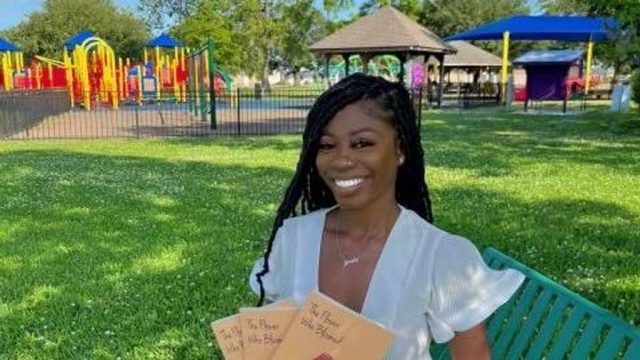
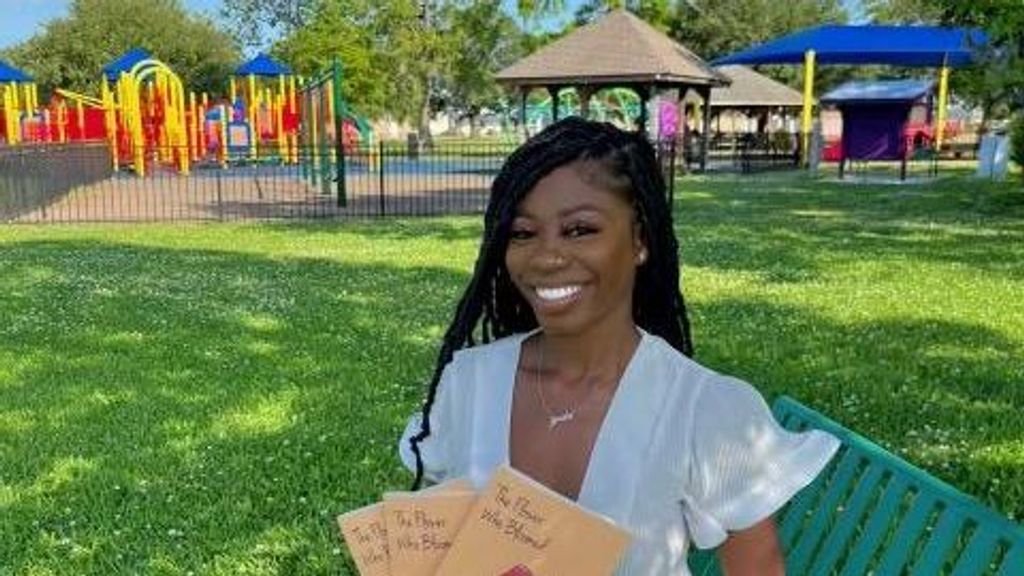
How someone deals with tragedy can define a life.
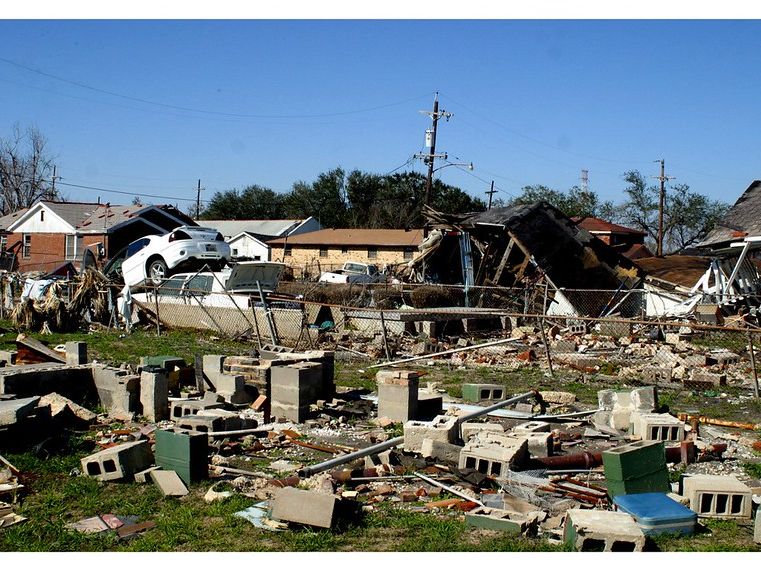
For Jada White, writing helped her cope with losing her father at 6 years old, and her grandmother drowning in the floodwaters created by Hurricane Katrina.
Those incidents prompted her to write two poetry books: “The Flower Who Bloomed” and “I Thought I Had Room.”
Rhyming her way through adversity lifted a weight off her shoulders, and after a rough time living in Atlanta, White moved back home and faced her problems.
Her story is both sad and inspiring. She hopes to inspire readers to find their own coping mechanisms when faced with adversity.
Zenger caught up with the New Orleans native to discuss her life and poetry.
Zenger: Your father passed away when you were just six. What impact did he have on your life?
White: He didn’t have a large impact within those six years, being that I was always a momma’s girl, and my sister was a daddy’s girl. To be honest, I was afraid of him. My mother would often tell me how I didn’t even want him to pick me up, and how I would cry whenever he was around.
I remember one time I got a whooping from him. You would think I was closer to him, being that I feel heavily impacted. But the influence he had on me and my craft was not large. But I know if he was here, things would be different. I would have eventually learned to love him the way I love my mother.
Zenger: Eventually, you channeled emotions and experiences into poetry. What caused that?
White: Life in general. I know that’s a vague answer, but at some point, everything starts to build up, and it’s like, who can I run to? Who is there for me? At the end of the day, nobody is actually there for you. I got tired of telling people the little things that I had going on, and not hearing the kind of feedback I wanted to hear. I appreciate them being there, but it just wasn’t enough for me.
At some point, I had to figure out how I was going to express these inner thoughts, so I decided to just start writing. Especially after one particular occasion, it just made me pick up my pen. That’s the first poem I wrote. It starts, “You encouraged me to pick up my pen again,” so I would just say life in general. But some occasions are more difficult and harder to withstand than others. I reached that breaking point and I decided to write.
Zenger: What does “The Flower Who Bloomed” symbolize?
White: I remember going through a bad breakup with a guy who was my best friend for years. I set myself down right after that, and I was like: “Why are all my relationships not long-term? Why am I going through these things?” I started thinking: If my father was here, would I have these problems in relationships with men? That’s something I will never know the answer to. After that breakup, I came to the conclusion that I want to grow from things that are wearing me down, especially this heartbreak.
The first poem that I wrote about him encouraged me to pick up my pen again. It kind of reminded me how, although those friendships and relationships didn’t work out, it helped me find myself. I felt like that marked some kind of point of growth in my life, especially going through something, but seeing the beauty in it. That’s when I realized, although I’m broken, I’m still growing.
I will forever keep growing, so I decided to call it “The Flower Who Bloomed.” Although, I’m still blooming, there is growth to be recognized.
Zenger: Hurricane Katrina impacted everyone here in Louisiana. How did that storm directly affect you?
White: It kind of ruined my life. My grandmother drowned in Hurricane Katrina. I focus on my father’s death in my work, but my second book talks more about my grandmother. I was very negatively affected by Hurricane Katrina, and we’re still staying in the house she died in.
Zenger: You mentioned the second book, “I Thought I Had Room.” That title can have several meanings. What does it mean to you?
White: All of my work rhymes. That’s something I’m trying to work on, too. Trying to write poetry that doesn’t always rhyme. I’ll get there eventually. “The Flower Who Bloomed,” if you notice the visual of it, it’s a black lower body with a flower head. “I Thought I Had Room” — I thought I had the space to bloom when it came to that first book. A lot of the things I talked about in it did occur, but there was still a lot of growth that could be occurring right now.
I really thought I had the space and the mental capacity, everything I needed to grow, especially in the areas I was focusing on more. “I Thought I Had Room,” means to me, to be able to grow in whatever areas you were seeking, the right space, the right environment, and the right people. The visuals for it is a person. I didn’t want to put a gender on the person, because it impacts all genders.
The cover of “Room” is a person in a vase, the person is drowning, there is water in the vase, and while that person is suffering, there are still flowers blooming above. While everything around them is growing, they’re not growing because of a lack of space.
Zenger: Are you working on another poetry book? If so, will it follow the theme of the first two books?
White: I want to stay on track with the first two books. I want everything to make sense. I don’t want it to be random thoughts. I am working to make the third one very relatable to the first two. But the thing about me is, I need a change to occur right now, that way I can start working on that third book. As of now, I have nothing planned for it, as an artist, my ideas click instantly. I just need to have the story together — and all the art will flow.
Zenger: At some point, you moved to Atlanta. What was your time there like?
White: It was very hard for me. I think the hardest part about it was being by myself. Trying to do things on my own. I honestly thought I was going to fix things in New Orleans by being six hours away. I was so naive, I didn’t realize, wherever there are problems, you cannot run away from them. They will follow you. Moving to Atlanta, I thought I was going to have the room to grow, just as I talked about in, “The Flower Who Bloomed.” I thought I was running away, but in a good way.
That’s when I realized, I moved to Atlanta, but this wasn’t the room that was beneficial to me. Instead, I made things worse. I met people that did not benefit me. I went through a lot of things. One thing is almost getting killed by an ex-boyfriend. My time was really hard, but I’m glad I grew from it. I was able to make the mature decision to come back home and fix these problems before I ever try to run away again.
Zenger: The story of Alana Miller, the Southern University cheerleader that took her own life. There has been a string of student-athletes recently who took their own lives. What advice would you give to someone who feels there is no way out of a situation and has harmful thoughts?
White: I would remind them, it is hard — and it’s going to be hard. A lot of times you feel like you have nobody, but in all reality, you do. Sometimes, the advice people give us is not what we want to hear. There is only so much a person can tell you and do to help when it comes to depression.
There is therapy, and therapy might cost, but it may not be beneficial to some people. There are ways to fix or repair that identity crisis. You have to be around the right people, be doing the right things, and be working toward you.
It is very sad when it reaches a point of suicide. The main thing is finding yourself. You cannot run away from your problems. You have to release them somehow with art or after-school activities.
The main thing I would tell anyone who is going through something: just not to give up. Keep waking up, because you don’t know what God has got planned for you. Keep waking up, keep being true to yourself. That way, you can be true to others. Put yourself and God first, and everything else will flow.
Edited by Fern Siegel and Matthew B. Hall
Recommended from our partners
The post Jada White Turned Her Hardships Into Poetry appeared first on Zenger News.