Home Blog Page 451

VIDEO: French Fans: Americans Fantasize About Living In France


0

Half of Americans dream of living the French lifestyle because of the landmarks, restaurants — and pastries. (Josh Castronuovo/Zenger)


By Anamarija Brnjarchevska

Half of Americans dream of living the French lifestyle because of the landmarks, restaurants — and pastries.


A recent study of 2,000 adults discovered that 55% believe the French way of life seems better than the American, and 50% fantasize about living it.

Almost a third (31%) would consider moving to the country, with 23% saying they have lived in the country in the past.

For those who previously moved to the country – or who would consider doing so – the reasons include the city life (36%), the food (35%) and a better lifestyle (35%).

Paris is the most popular location to relocate to for 27%, followed by The French Riviera (20%) and Lyon (18%).

Respondents also noted the top reasons they want to live in France are to visit the landmarks and enjoy dining out, visiting cafes and coffee shops.

Commissioned by brioche experts St Pierre Bakery and conducted by OnePoll, the study found other reasons people would like to relocate include the architecture, castles and shopping, as well as immersing themselves in art galleries, eating brioche and learning the language.

It also emerged that Americans consider the French lifestyle to be fashionable (41%), cultured (39%) and relaxed (37%).

Furthermore, 37% think France is a “foodie country,” with croissants (24%), champagne (23%) and brioche (16%) were named among the best items to come out of the country.

The poll was commissioned to celebrate St Pierre’s National Brioche Day, which takes place on May 14.

“It’s clear that whatever the American perception of the French lifestyle is, we certainly dream of living it,” said Paul Baker, founder of St Pierre Bakery. “We automatically think of pastries, coffee, wine and cheese, and that’s just the food and drink. France is also recognized for its art galleries, unique landmarks and mixture of cityscapes and beaches.”
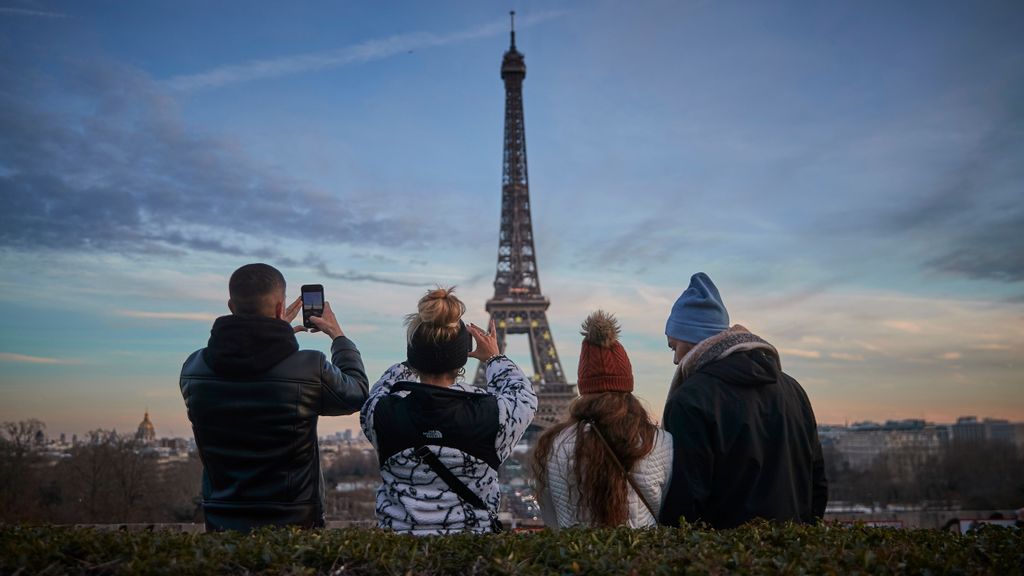
Tourists take photographs of the Eiffel Tower on New Year’s Day on January 01, 2022. (Photo by Kiran Ridley/Getty Images)

Nearly six in 10 adults (56%) have taken inspiration from the French lifestyle when it comes to their sense of fashion (43%), interest in artwork (43%) and cooking skills (42%).

More than half (59%) believe pop culture, including shows like “Emily in Paris,” has given them an idea of what living in France would be like.

When it comes to the language, 17% already speak it, and another 28% are currently learning.

And many are already enjoying the foods that originated across the channel, with croissants (30%), Dijon mustard (25%) and brioche (24%) being the most popular staples. Steak frites (22%) and soufflé (19%) are also top choices.

Tourists and Parisians take advantage of “Paris Plage”, an artificial beach set up on the right bank of the Seine river on August 1, 2013 in Paris, France. (Photo by Pascal Le Segretain/Getty Images)

It’s not just food people have taken inspiration from: U.S. respondents believe 30% of our daily vocabulary originates from France.

Among the words and phrases the nation believes have derived from the French are “déjà vu” (25%), “fiancé” (23%) and “rendezvous” (32%).

TOP 30 REASONS US ADULTS WOULD LIKE TO LIVE IN FRANCE:
Visiting France’s landmarks e.g. the Louvre, Pompidou
Dining out
Visiting cafes/coffee shops
Visiting bakeries
Visiting French castles
Shopping
Croissants/pastries
The architecture
The history
Drinking French wine
Art galleries
Visiting France’s beaches
Visiting the French Riviera
Visiting wineries
Hearing the French language being spoken
Discovering hidden gems
Baguettes
Visiting the Alps
Speaking / Learning the French language
Learning to cook French foods
French fashion
Meeting and socializing with locals
Trying new French foods e.g., escargot
Eating French cheese
Paris Fashion Week
Visiting Michelin star restaurants
Cityscapes
Brioche bread
Watching French football e.g., Ligue 1
The public transport system

Recommended from our partners


The post VIDEO: French Fans: Americans Fantasize About Living In France appeared first on Zenger News.
Furry Friends: OAP Pair Won 375 Cuddly Toys And Now Have No Space For Them At Home

0

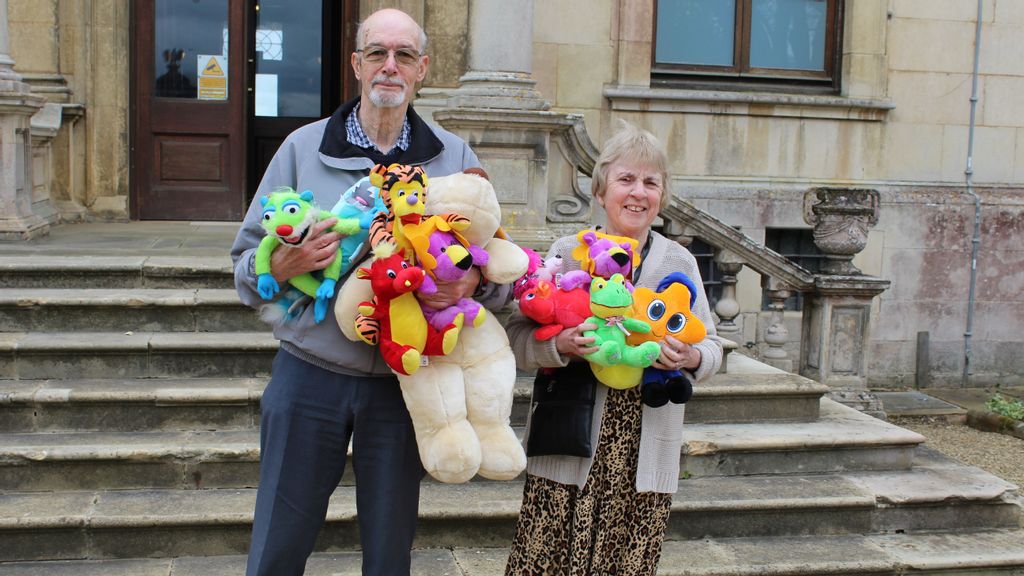
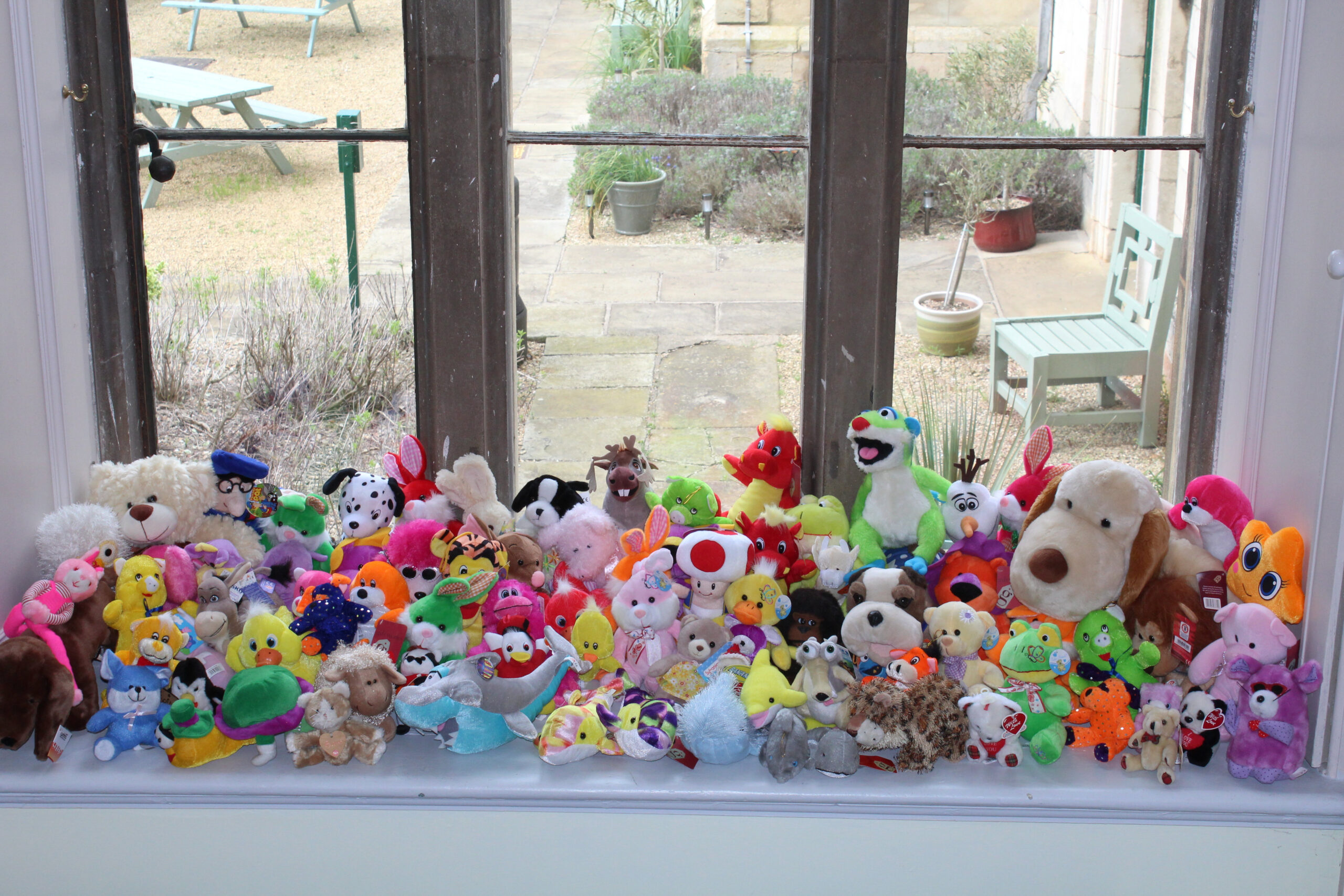
An OAP couple have revealed their haul of 375 cuddly toys won at seaside arcades - and now have too many to fit in their home. (Matthew Newby/Zenger)


By Anamarija Brnjarchevska

An OAP couple have revealed their haul of 375 cuddly toys won at seaside arcades – and now have too many to fit in their home.


Roy and Ann Pettitt, aged 75 and 76, won the colourful teddies from crane machines on coastal trips over the years.

But now the couple – who’ve been married for over 40 years – no longer have space for them as they look to move into a retirement flat.

Roy, a retired engineer, said: “We used to come home with carrier bags full of cuddly toys.

“It has been good fun and holds many happy memories for us.

“I can remember once we won nine of these furry dogs from one machine.

“It was quite embarrassing emptying the machine and walking out with armfuls of furry cuddly dogs.”

Roy and Ann kept the cuddly toys, which included a 2.5ft-tall teddy bear, stored in plastic boxes in their loft for decades before realising the true extent of their winnings during a clear-out.

The couple from Peterborough played on crane machines across the UK’s tourist resorts including Hunstanton in Norfolk and Tenby in Wales.

Roy said the machines have evolved over the years and complained that there was less “skill” involved now.

Teddy Bears are displayed at Dapur Cokelat on February 10, 2014 in Surabaya, Indonesia.  (Photo by Robertus Pudyanto/Getty Images)

He said: “Years ago there was a fair bit of skill involved, you had to position the crane and grabber just so over toy and there was a bit of skill in that to get it to drop into the winner’s slot.

“These days it is not like that, the machines have a device which selects a percentage of winners.

“The thing to look out for is the machine which has a few gaps in it, which means someone has actually won something.

“If it looks like somebody has won from a machine then you might get something from it as well.”

Now, the couple have donated 125 cuddly toys to Sue Ryder Hospice in Thorpe Hall, Peterborough to help families needing care.

They previously sold off 250 teddies at a village fete for charity.

An OAP couple have revealed their haul of 375 cuddly toys won at seaside arcades – and now have too many to fit in their home. (Matthew Newby/Zenger)

Helen Kingston, community fundraiser at Sue Ryder Thorpe Hall Hospice, said: “It was an absolute delight to receive the fabulous furry donation of cuddly toys from Roy and Ann recently.

“You can’t fail to smile when you see the brightly coloured toys all lined up together.”

“At Sue Ryder we believe that the end of someone’s life is the most important time of their life and our care teams do all they can to make room for the things that matter – spending time with loved ones and sharing memories.”

“It’s truly fitting that Roy and Ann’s donation of cuddly toys which they’ve won while making special memories by the seaside over the years are now helping to raise vital funds so we can be there when it matters for local families.”

Recommended from our partners


The post Furry Friends: OAP Pair Won 375 Cuddly Toys And Now Have No Space For Them At Home appeared first on Zenger News.
Charged Up: Batteries May Be Key To Saving The Planet

0

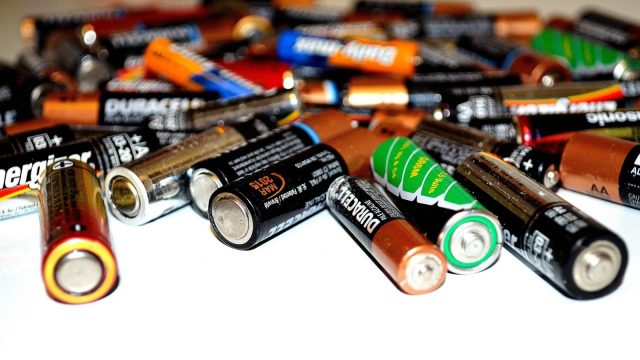
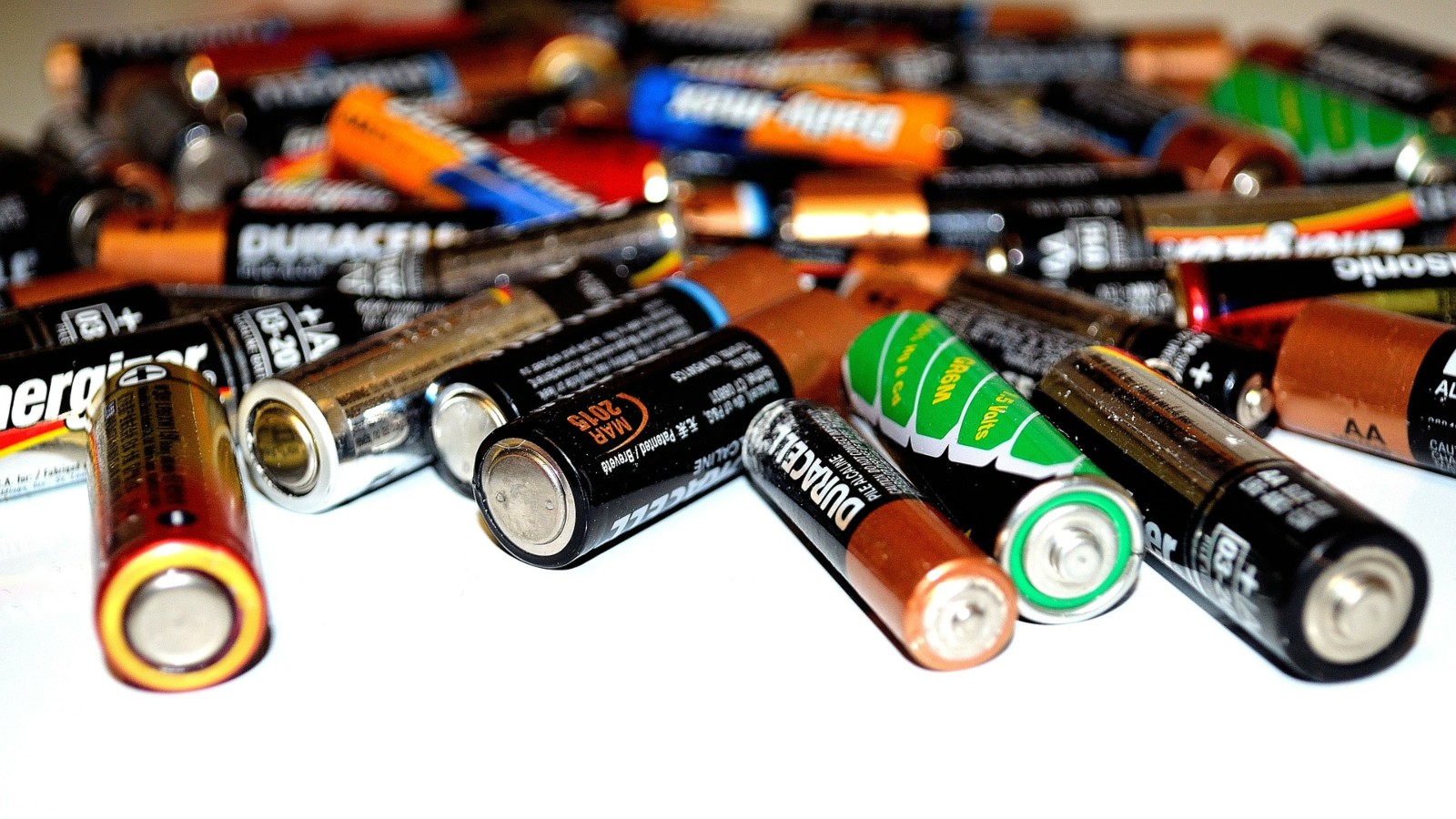
From electric vehicles to next-generation technology, the battery is at the forefront of eco-awareness., allowing many industries to move to clean energy. (Pixabay)


By Moshiel Biton

The battery is our new eco-friend.


Whether powering electric vehicles (EVs), drones or power tools, keeping count of steps via fitness trackers or storing unimaginable amounts of energy, one common factor bringing all these elements together: the battery.

An object we use daily is saving the planet and being more eco-conscious.

From renewable energy to next-generation technology, the battery is at the forefront of it all.

The EV revolution depends on batteries

The battery, a small and commonly unappreciated component, will allow many industries, including EVs, to move to clean energy. It will make oil, coal and gas less necessary.

Electric vehicle sales are experiencing major growth. Shown here is a Tesla Model S electric car charging at a public charging column in March 2019, in Berlin, Germany. (Sean Gallup/Getty Images)

EV sales hit a record 3 million in 2020, a 40 percent increase from 2019. This growth contrasts with the general car market, which fell by 16 percent, due to the COVID-19 crisis. There are now more than 10 million EVs on the road, which equates to approximately 1 percent of global car stock.

Further, the IEA predicts net-zero emissions by 2050 and 300 million EVs on the road. They now account for over 60 percent of new car sales, compared with only 4.6 percent in 2020.

Given the projected amount of EVs expected, battery supplies will have to match demand, leading to batteries being a key factor in the decarbonization of the planet.

The role of renewable energy

With renewable energy, it’s no longer just about countries being greener, but about being self-sufficient. Nations are mapping out how they can disconnect from external suppliers.

Germany was initially aiming to get 100 percent of its energy from renewable sources by 2050; it is now aiming for 2035.

However, once renewable energy is produced, it needs to be stored. As countries are investing in local energy production plants, including wind and solar farms, they also are investing in battery development facilities.

For example, Italy is supporting the Stellantis battery plant with a $389 million investment, highlighting the importance of renewable energy and reliability.

Paving the road to a happier planet

In addition to being used in EVs and to increase renewable energy storage, batteries also play an important role in enabling next-generation technology to improve mobility, wearables and communications.

A visitor enjoys a Virtual Reality experience at the SK telecom booth at the GSMA Mobile World Congress on Feb. 28, 2022, in Barcelona, Spain. The annual event hosts many large communications companies unveiling their latest phones and wearables gadgets. Both are major users of battery power. (David Ramos/Getty Images)

Indeed, the battery is becoming one of the lead players in allowing appliances to be more powerful and creating a greener planet for our generation and those to come.

The effect of new battery design

One of the main drawbacks in current batteries is performance limitation. For EVs, it means choosing between range and power.

New battery design allows batteries to be more efficient, which could result in longer range and faster charging time.

These improvements should lead to widespread adoption of battery-run devices, enabling a greener planet.

Author Moshiel Biton is the CEO/co-founder at Addionics, an Israeli startup developing a low-cost, high-power, high-energy battery.

Produced in association with ISRAEL21c.

Recommended from our partners


The post Charged Up: Batteries May Be Key To Saving The Planet appeared first on Zenger News.

VIDEO: Majority Of Kids Say They Are Better At Managing Money Than Their Parents

0

More than half of Americans feel they handle their finances better than their parents, according to new research. (Francesca Collado/Zenger)


By Anamarija Brnjarchevska

More than half of Americans feel they handle their finances better than their parents, according to new research.


A survey of 2,000 adults looked at how different generations perceive money and found that 58% believe they’re better financial managers than their parents, yet 65% admitted being uncomfortable when talking to them about money.

This may be because 59% feel their parents have previously judged their financial habits.

But that isn’t stopping people from achieving their financial goals or teaching others about their hits and misses.

Almost six in 10 said they’re confident enough in their financial habits to pass them down to their children (58%).

Conducted by OnePoll on behalf of BOK Financial®, the study revealed that 77% of people are confident in their ability to save money — especially millennials (86%).

Meanwhile, 60% of Gen Xers admitted they lack the skills when it comes to saving a dime.

Saving money has been tough, though, since 58% of people have spent money more casually during the pandemic than in previous years.

Sixty-eight percent of people agree that inflation has had a strong impact on how much money they can save, with Gen Zers expressing the most concern (83%).

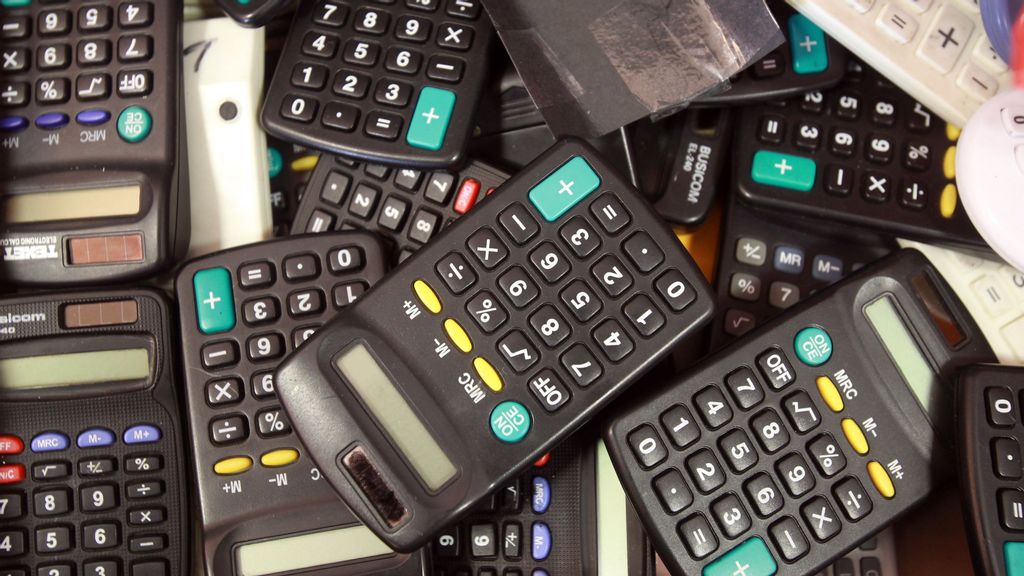
A box of calculators are stored at the Bridge Learning Campus on February 24, 2010 in Bristol, England.  (Photo by Matt Cardy/Getty Images)

What people are the most concerned about is the rising cost of living (70%), especially baby boomers (94%).

As the cost of living has increased, seven in 10 respondents feel their age group has the most responsibility to make good financial decisions. And 65% of all those polled feel the pressure to take care of their parents or older relatives financially.

“Inflation erodes the average person’s purchasing power but in different ways,” said Brandy Marion, institutional wealth education manager at BOK Financial. “Baby boomers who are on a fixed budget might notice they are spending more on the same groceries as last year.

“Gen Xers might notice that it is costing them more to drive. Gen Z and millennials are noticing that it is going to cost them more to finance a house, so they might just keep renting a bit longer,” Marion continued. “It’s not all bad news though — younger workers are more likely to see their wages rise on pace with inflation.”

A Bitcoin ATM stands next to a traditional ATM in a convenience store on November 10, 2021 in Los Angeles, California. (Photo by Mario Tama/Getty Images)

But this financial burden particularly falls on millennials (82%) and Gen Z (80%). The former feels the most need to be financially responsible to help look out for generations to come (78%).

Millennials (54%) and boomers (31%) think making financial plans for the future in your late 20s is enough to get by, compared to Gen Zers who are adamant about saving as early as possible (56%).

“All generations should be taking action now to become more self-sustainable,” added Marion. “First, make a plan to pay off your debt as soon as you can and avoid accumulating future credit card debt. Next, reevaluate what is truly a needed expense versus a want. Finally, the best day to start saving for tomorrow is today. Most of us wish we had started saving sooner.”

Recommended from our partners


The post VIDEO: Majority Of Kids Say They Are Better At Managing Money Than Their Parents appeared first on Zenger News.

Meet The Husband And Wife Running Disney World’s First Black-Owned Food Truck

0
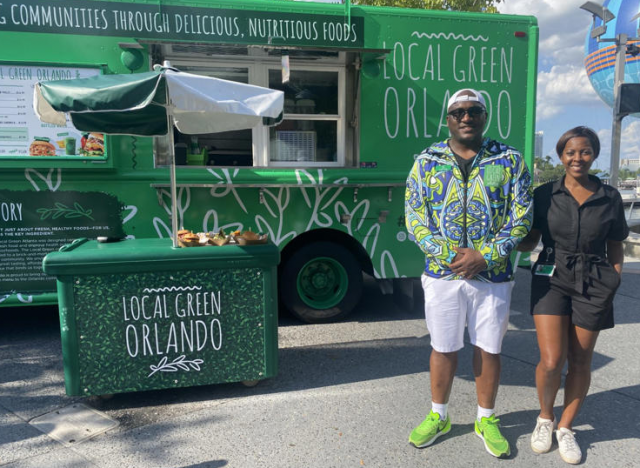
Robyn and Zak Wallace’s food truck Local Green Orlando (TravelNoire)

Parker Diakite

Travel Noire