

People, Places and Things

GWEN DERU
THIS IS BLACK HISTORY MONTH….YES!!! CELEBRATED EVERY DAY!!!
HAPPY VALENTINE’S DAY WEEKEND!!
TODAY…
**READ THE BIRMINGHAM TIMES. Catch up on the news!
**WEDNESDAY NIGHT TITANS at The Nick.
**EVERY THURSDAY HAPPY HOUR, 5:30 – 9 p.m. at the Kappa Komplex, 45 6th Avenue South.
**KARAOKE, 5-9 p.m. at Courtyard Alabaster Bar and Grill.
**TASTEMAKER THURSDAY – Every Thursday at Blaze Ultra Lounge, 228 Roebuck Plaza Drive, 8 p.m.- 12 a.m. with DJ Ace Twon (95.7 JAMZ) in the mix hosted by Audio Life and GMC Promo.
**THIRSTY THURSDAY at Hookah 114 17th Street No.
**THIRD THURSDAY BLUES JAM, 7 p.m. at True Story Brewing.
FRIDAY…
**FREE HOOKAH FRIDAYS at Blu Onyx, 10 p.m.
**QUE’S BAR & GRILL GROOVIN’ on 19th Street in Ensley.
**LIT FRIDAYS WITH RIPCORD, 8 p.m. – 2 a.m. at 4501 Gary Avenue in Fairfield.
\**GIRL TONES with BOSS RUSH & KINZIE at the Nick.
Chimps Tend To Each Other’s Wounds By Putting Insects On Them
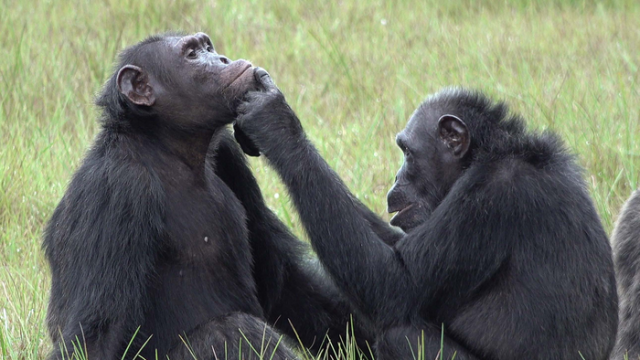
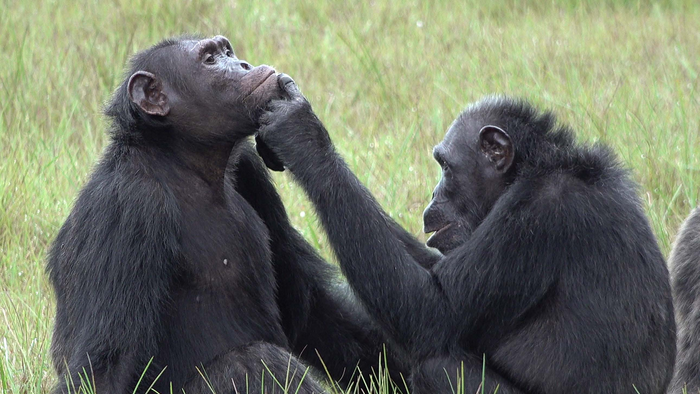
Scientists observing chimpanzees applying insects to the wounds of their fellow apes have concluded that this previously undocumented behavior is proof that apes show empathy in the same way that humans do.
Researchers have been studying a specific group of chimpanzees, which share 99 percent of their DNA with humans, in the Loango National Park in Gabon for seven years.
In November 2019, Alessandra Mascaro and Lara Southern observed chimpanzees grabbing insects from the air and applying them to each other’s wounds. Mascaro captured the behavior on camera.
A year later, as the research team continued to monitor the chimpanzees, Southern observed a similar wound-tending event. She saw an adult female seize an insect and hand it to an adult male, dubbed Littlegrey, who had a deep open wound on his leg. After Littlegrey applied it to his injury, the female chimp was joined by two other chimps in touching the wound and rubbing the insect on it.
“The three unrelated chimpanzees seemed to perform these behaviors solely for the benefit of their group member,” said Southern.
The research team from Osnabrück University in Germany and the Ozouga Chimpanzee Project published their study in the journal Current Biology.
The team has focused for years on a band of about 45 chimpanzees at Loanga, examining their relationships, interactions and disputes with other groups, as well as their cognitive and communicative skills, hunting and tool use.
Study co-author Simone Pika of Osnabrück University called the wound-tending behavior clear evidence of prosocial behavior, or behavior invested in the interests of others, rather than just oneself.
“This is, for me, especially breathtaking because so many people doubt prosocial abilities in other animals,” she said. “Suddenly we have a species where we really see individuals caring for others.”

Wound-tending behavior was observed among chimps in the past but was limited in scope. “Self-medication — where individuals use plant parts or non-nutritional substances to combat pathogens or parasites — has been observed across multiple animal species including insects, reptiles, birds and mammals,” said Pika. Bees, bears and elephants are known to do it, too.
“Our two closest living relatives, chimpanzees and bonobos, for instance, swallow [the] leaves of plants with anthelmintic properties and chew bitter leaves that have chemical properties to kill intestinal parasites,” said Pika. In the past, chimps have been observed using twigs, for example, to extract tasty termites from rock-solid termite mounds. However, no one had observed chimps treating not only themselves but also others.
Humans are known to use several insect species to stave off sickness, Pika said, citing evidence dating back to 1400 B.C. She noted that insects can have antibiotic, antiviral and antiparasitic effects. The team theorized that applying insects to wounds may have an anti-inflammatory, antiseptic, analgesic or pain-relieving effect in the chimps.

An alternative explanation for the behavior is that if it has no beneficial effect, it may reflect the local chimpanzee culture in much the same way that human cultures do.
Going forward, the researchers want to identify the insects the chimps are using and observe which of them are applying the insects to others. “Studying great apes in their natural environments is crucial to shed light on our own cognitive evolution,” said study co-author and primatologist Tobias Deschner. Given apes’ importance to humanity, Deschner pleaded for their protection and the preservation of their habitats.
“We now aim to investigate the potential beneficial consequences of [their] surprising behavior,” he said.
“For me,” Pika said, “being interested in the cognitive skills of chimpanzees, it was particularly striking to witness that individuals not only treat their own but also the wounds of other nonrelated individuals. Such examples of clear prosocial behaviors are rarely observed in nonhuman species, but these observations may now also convince the skeptics.”
Edited by Siân Speakman and Kristen Butler
Recommended from our partners
The post Chimps Tend To Each Other’s Wounds By Putting Insects On Them appeared first on Zenger News.

A Black-Owned Dining Event Not to be Missed


Swiss Researchers Team Up With Lidl To Create Packaging Made Of Fruit And Vegetable Peels
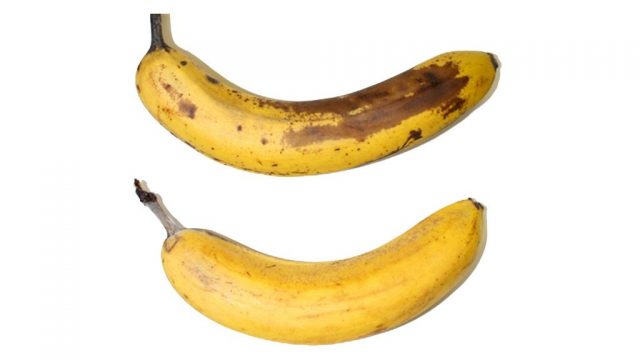
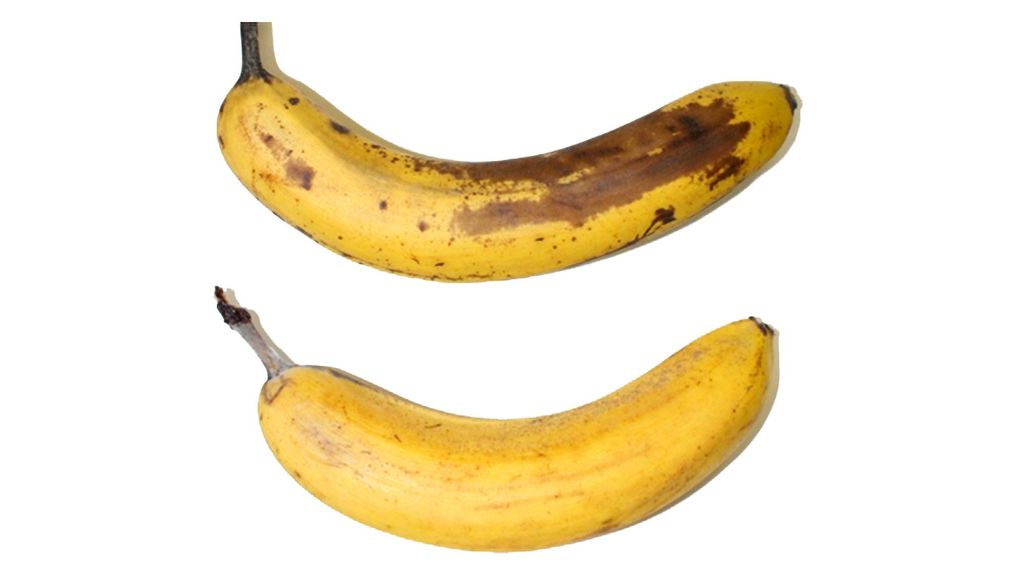
Swiss researchers have teamed up with supermarket giant Lidl to create packaging for fresh fruit made out of the peels of squeezed fruit and vegetables. The new packaging keeps fruit fresh longer, and its creators say using it can reduce plastic use in supermarkets and help curtail food waste.
Scientists at Empa, the Swiss Federal Laboratories for Materials Science and Technology, in collaboration with Lidl Switzerland, set out to create packaging from renewable raw materials.
Gustav Nyström, head of Cellulose and Wood Materials Lab at Empa, and his team spent more than a year developing the protective cellulose coating. Nyström explained that the idea was to use the solid residue left over from juice extraction, called pomace, which is routinely discarded, and turn it into fibrillated cellulose.
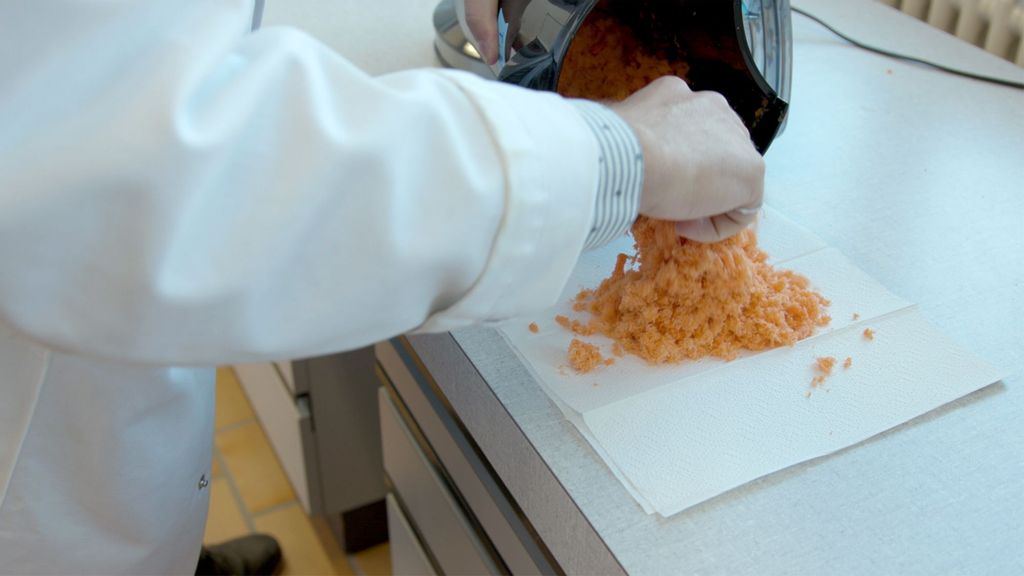
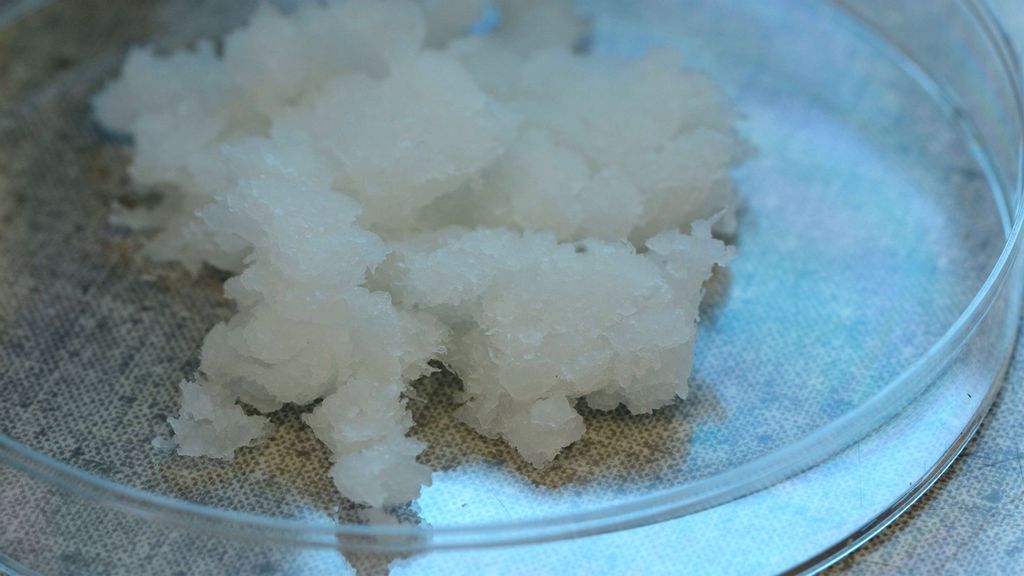
The fruit and vegetables coated with the material in tests remained fresh for significantly longer than those without. The shelf life of bananas with the coating was extended by more than a week, according to the researchers’ study, published in the journal ACS Sustainable Chemistry and Engineering.
According to lab, the cellulose is easy to wash off and can be used without causing harm to the consumer.
“The big goal is that such bio-coatings will be able to replace a lot of petroleum-based packaging in the future,” Nyström said. He noted that his team’s bio-coating comes from the same products to be protected and has to be washed, dried, ground and then processed into a material that forms a web-like mesh.
The coating can either be sprayed directly onto the fruit, or the food can be dipped into it.
“After drying, a film in the micrometer range forms that you can neither see nor feel,” Nyström said. “The elegance lies in the circular approach. We can still improve this value. However, the cellulose layer cannot compete with a performance like that of plastic.”


However, the researchers said that the potential of cellulose coating has not been fully unleashed, and they plan to enrich it further with vitamins and antioxidants.
After the completion of the research, the cellulose layer developed at Empa will be tested and further improved over the next two years in working with Lidl Switzerland and a fruit and vegetable supplier.
The Swiss authorities reportedly plan to allow the coating to be used in all 150 Lidl stores in the country following a successful main trial.
But until their new material can reach the broader market, the researchers say the plastic packaging used for cucumbers is still better for the environment than the food waste that might occur without it.
Empa researchers followed the path of a cucumber from the grower in Spain to a Swiss supermarket. The plastic wrapping accounted for only 1 percent of the environmental impact caused by production and transport. Overall, they found the positive effect on the environment from less food waste was nearly five times higher than the negative effect of the packaging.
Edited by Richard Pretorius and Kristen Butler
Recommended from our partners
The post Swiss Researchers Team Up With Lidl To Create Packaging Made Of Fruit And Vegetable Peels appeared first on Zenger News.
New CO2 Scrubber Can Capture 99 Percent Of Carbon Dioxide From Air
New carbon-scrubbing technology promises to make fuel-cell vehicles efficient and environmentally friendly, and could even be used for air filtration in submarines and spacecraft.
Researchers at the University of Delaware have found a hyperefficient method of removing 99 percent of carbon dioxide from air using a new hydrogen-powered electrochemical system. The authors of the study, published in the journal Nature Energy, believe that the novel technology may bring environmentally friendly fuel cells to market.
By converting chemical energy from fuel directly into electrical energy, fuel cells power passenger and commercial fleet vehicles globally. Typically, they convert oxygen and compressed hydrogen from converted natural gas into electricity to power electric motors and batteries. Because they emit only heat and water vapor, they are used in warehouse forklifts, for example, which work indoors, where the carbon-monoxide gas spewed by internal combustion engines is prohibited. Fuel cells are also used in satellites and spacecraft.
One of the authors, Yushan Yan, has worked on improvements to hydroxide exchange membrane (HEM) fuel cells, which the team believes can become environmentally friendly and provide an economical alternative to the acid-based fuel cells now in use.
Yushan and his team have tried to improve HEM performance for more than 15 years. However, because HEM fuel cells are extremely sensitive to carbon dioxide in the air, their efficiency and performance drop by as much as 20 percent over time, making them little better than an internal combustion engine. In working to mitigate this disadvantage, the researchers created a carbon-scrubbing technology.
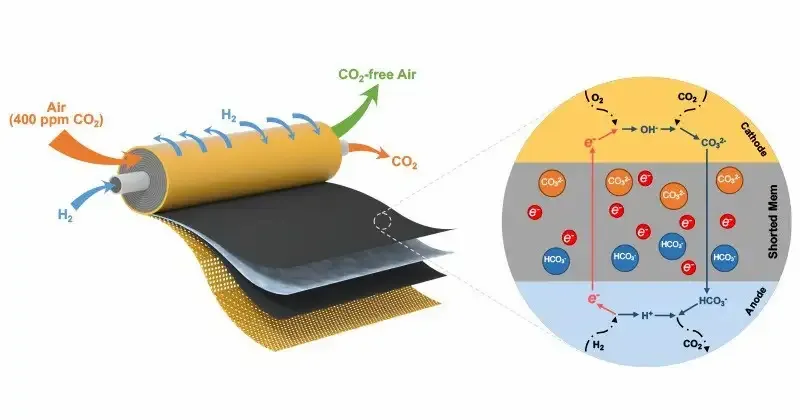
“Once we dug into the mechanism, we realized the fuel cells were capturing just about every bit of carbon dioxide that came into them, and they were really good at separating it to the other side,” said study co-author Brian Setzler. The researchers turned this into a self-purging process in a separate device upstream from the fuel cell stack to remove the CO2.
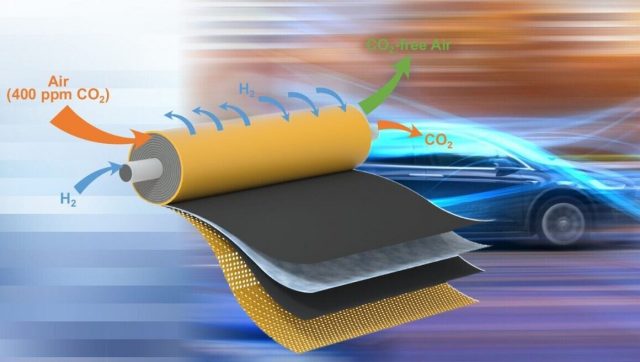
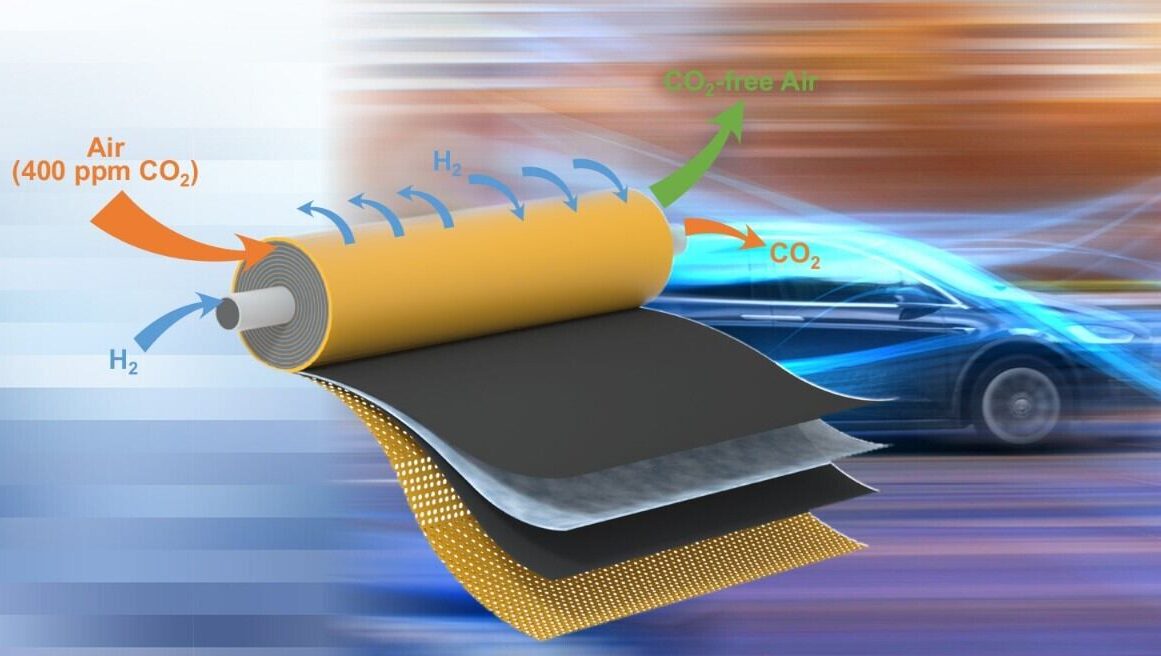
The electrochemical system developed by the group uses a novel spiral wound module inside a metal cylindrical housing. When hydrogen is supplied to it, the carbon-dioxide removal process receives the required power. Computer software monitors the carbon-dioxide concentration in the air that has passed through the module. Two separate inlets supply hydrogen and air to the module, which then emits carbon dioxide and carbon dioxide-free air through two catalyst-coated shorted membranes.
An electrochemical cell measuring 2 inches by 2 inches continuously removes about 99 percent of the carbon dioxide found in the air, flowing at a rate of approximately two liters per minute. An earlier and somewhat larger prototype could filter 10 liters of air per minute while removing about 98 percent of the carbon dioxide, according to the study. The new model eliminated a number of bulky components in current fuel cell stacks, boosting efficiency and performance.

Setzler said the device was initially developed for automobiles but could be used as an onboard carbon-scrubber for spacecraft and submarines, which require constant air filtration. “We have some ideas for a long-term roadmap that can really help us get there,” Setzler said.
Another application could be in aircraft and buildings where a premium is placed on energy savings from air recirculation. “It turns out our approach is very effective. We can capture 99 percent of the carbon dioxide out of the air in one pass if we have the right design and right configuration,” said Yan.
While fuel-cell vehicles are touted as a green alternative, critics say hydrogen is expensive and comes largely from natural gas, which requires fossil fuels for its extraction. Also, the infrastructure required for distributing hydrogen has not been built.
Edited by Siân Speakman and Kristen Butler
Recommended from our partners
The post New CO2 Scrubber Can Capture 99 Percent Of Carbon Dioxide From Air appeared first on Zenger News.
New Study Takes A Bite Out Of Assumptions About Giant Megalodon Sharks
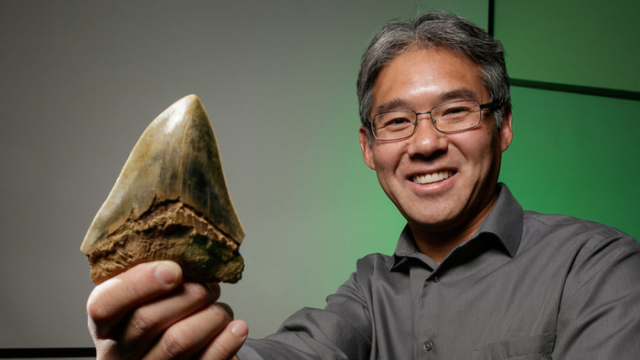
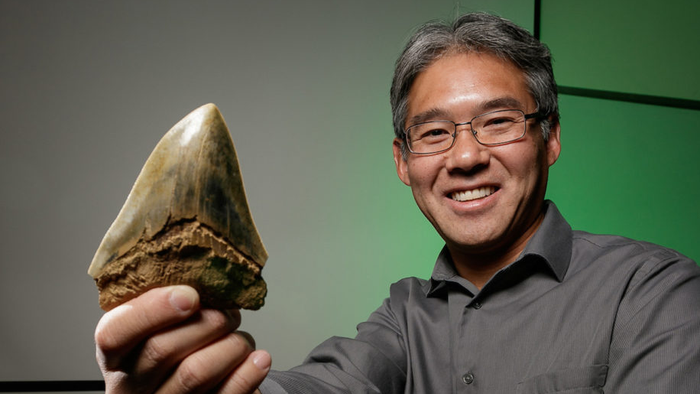
While megalodon sharks were indeed prehistoric giants, their shape may have differed from modern sharks, according to a new study.
Otodus megaladon hunted in the world’s oceans 15 to 3.6 million years ago. So far, they are known only by some vertebrae and enormous teeth, which resemble the smaller teeth found in modern great white sharks. Scientists have conjectured that the megalodon was 65 feet long, even though no complete skeleton has ever been found.
“The cartilage in shark bodies doesn’t preserve well, so there are currently no scientific means to support or refute previous studies on O. megalodon body forms,” said Phillip Sternes of University of California-Riverside. Sternes is the lead author of a study on the subject published in the journal Historical Biology. So far, paleontologists have inferred the body shape of megalodon from what they know about modern sharks.
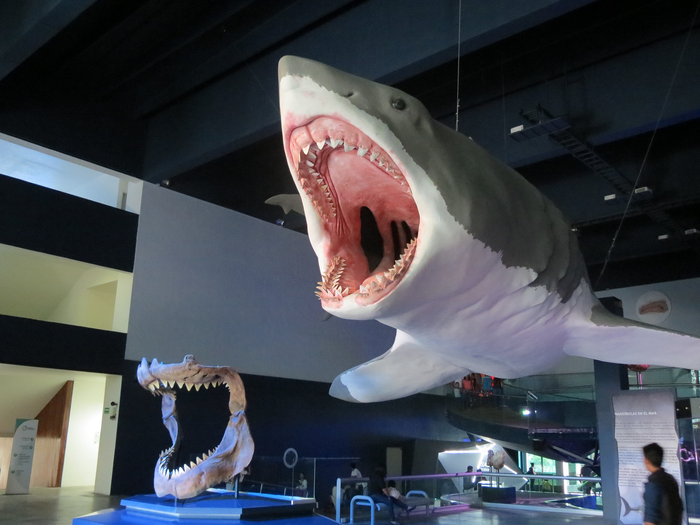
Great white sharks (Carcharodon carcharias) are unlike other fish because they are partially warm-blooded. “Great whites are among the fastest swimming sharks, so Megalodons were likely also big, fast sharks you would not want to run into in the open ocean,” said Sternes. The megalodon, he believes, may have been similarly warm-blooded.
There are 17 species of sharks within the seven shark families of the Lamniformes order. By averaging the fin and body shapes of five species of warm-blooded Lamniformes, previous researchers came up with a general model for the megalodon behemoths. Scientists believed this meant that the megalodon belonged to the Lamniformes order.
Great white sharks belong to the Lamnidae family, or lamnids, as do longfin and shortfin mako, porbeagle and salmon sharks. The new study examined whether these five species differ in shape from the rest of the order, which includes sharks that are cold-blooded. They also compared the five species to each other and to the rest of the Lamniformes order. Based on detailed drawings from the field, they made quantitative comparisons of their fins, heads and body shapes.
The authors did not find any general pattern among the body-shape differences. “Warm-bloodedness does not make you a differently shaped shark,” Sternes said.
“This new study shows that there are currently no scientific means to support or refute the accuracy of any of the previously published body forms of O. megalodon. All previously proposed body forms of O. megalodon should be regarded as speculations from the scientific standpoint.”
“Any meaningful discussion about the body form of O. megalodon would require the discovery of at least one complete, or nearly complete, skeleton of the species in the fossil record,” study co-author Jake Wood said.
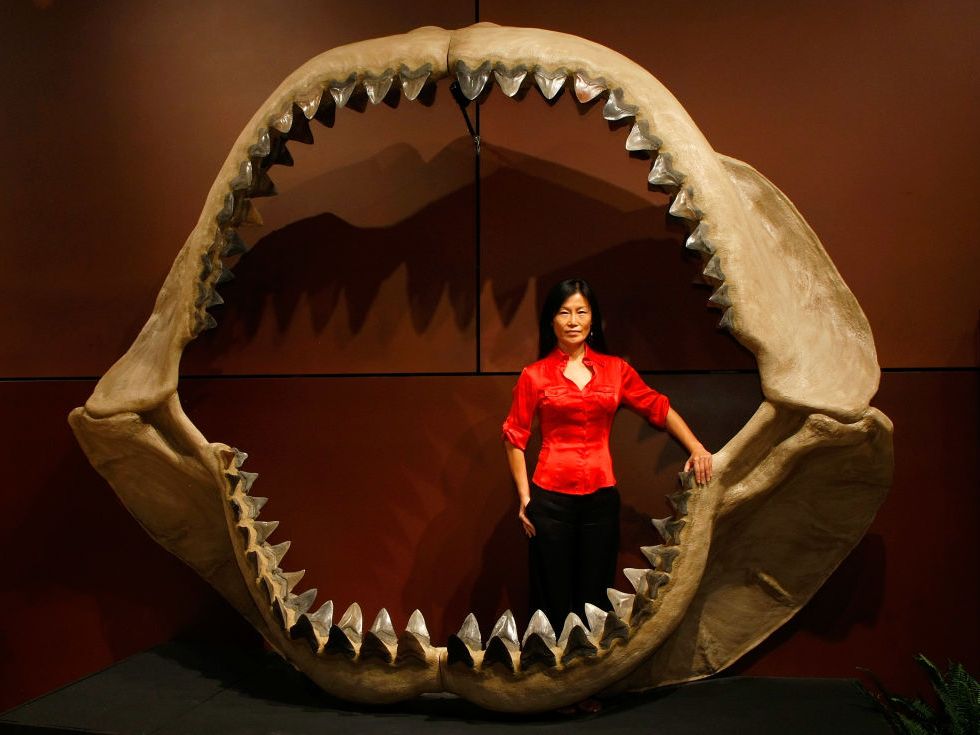
Instead of using actual organisms or photos to make comparisons, Sternes pioneered the use of two-dimensional drawings to compare specimens, some of which are hard to access.
“The purpose of field guides is to identify a species, so the drawings must be accurate representations,” he said. “It’s a technique widely used in biology and works well for sharks.” It can also be used to study snakes and birds, for example, and other specimens are difficult to collect.
The authors believe that, two-dimensionally, there is no relationship between warm- or cold-bloodedness and body form within the Lamniformes order.
“Although it is still possible that O. megalodon could have resembled the modern great white shark or lamnids, our results suggest that the two-dimensional approach does not necessarily decisively allow the body form reconstruction for O. megalodon,” said Wood.
“This study may appear to be a step backward in science,” said co-author and paleobiologist Kenshu Shimada of DePaul University. “But the continued mystery makes paleontology, the study of prehistoric life, a fascinating and exciting scientific field.”
Edited by Siân Speakman and Kristen Butler
Recommended from our partners
The post New Study Takes A Bite Out Of Assumptions About Giant Megalodon Sharks appeared first on Zenger News.
