
New Programs, Significant Progress at Talladega College



Retail gasoline prices are moving lower in some parts of the country, but don’t expect the announcement to tap strategic reserves to work any long-term magic, analysts said.
Motor club AAA listed a national average retail price of $3.40 per gallon of regular unleaded for Tuesday. That national average is skewed higher because of California, which because of higher taxes and other factors, had a state average of $4.70 per gallon. On the low end, Oklahoma averaged $2.97 per gallon on Tuesday.

National prices are moving lower in some markets, though broad-based inflationary concerns are a mounting issue for a White House worried about slumping poll numbers and the general health of the U.S. economy.
Matthew Kohlman, an associate director for refined products pricing at S&P Global Platts, said the market was probably working given the notion that the solution to high prices is usually high prices. Demand would theoretically start to decline at a certain point and, assuming no supply disruptions, prices would respond.
The only issue, Kohlman said, is that it doesn’t always work overnight. And particularly with the upcoming long Thanksgiving Day holiday, it’s unlikely that demand would evaporate this week.

Wholesale prices are already on the decline as broader markets react to the return of tight social restrictions in Europe, where Austria has already returned to lockdown in an effort to control a surge in new cases of COVID-19. Additionally, the U.S. Department of State has issued a do not travel warning for Germany and Belgium.
Meanwhile, in the domestic market, the U.S. federal government reported last week that gasoline demand dropped from 9.26 million barrels per day to 9.24 million barrels per day.
“But prices at the pump seem to be backing down more slowly, as there is still strong gasoline and diesel demand in the U.S. for this time of year and flying demand has also returned,” Kohlman said.

Phil Flynn, a senior market analyst at The PRICE Futures Group in Chicago, said the higher prices adage is a two-sided coin.
“Our expectations are that demand will rise faster than expected because of the lower price,” he said.
President Joseph R. Biden Jr. took to the podium Tuesday to discuss the health of the economy, expressing concern that taxpayers will be forced to pay “an arm and a leg” for goods and services moving into the holiday season. On gasoline and broader commodities, the president announced he was tapping into the nation’s Strategic Petroleum Reserve in parallel with China, India, Japan, the Republic of Korea and the United Kingdom.
The Department of Energy under the provision will release 50 million barrels of oil from the Strategic Petroleum Reserve in an effort to curb prices. In a fit of irony, perhaps, crude oil prices actually ticked higher on the news. Biden acknowledged from the podium that prices won’t move overnight, but they should move lower eventually with more oil on the market.
The price of crude oil is among the largest factors behind what consumers see at the pump.
But for much of the day, market watchers were skeptical.
“I frankly think the White House release is a bit weak,” said Patrick DeHaan, the senior petroleum analyst at GasBuddy. “Still, gas stations are dragging their feet on the huge drop in wholesale over the last week and that’s also frustrating.”
Edited by Bryan Wilkes and Kristen Butler
The post US Prices At The Pump Slowly Starting To Ease appeared first on Zenger News.
By Naama Barak
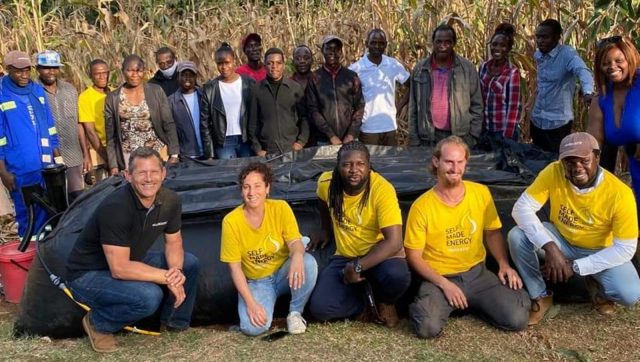
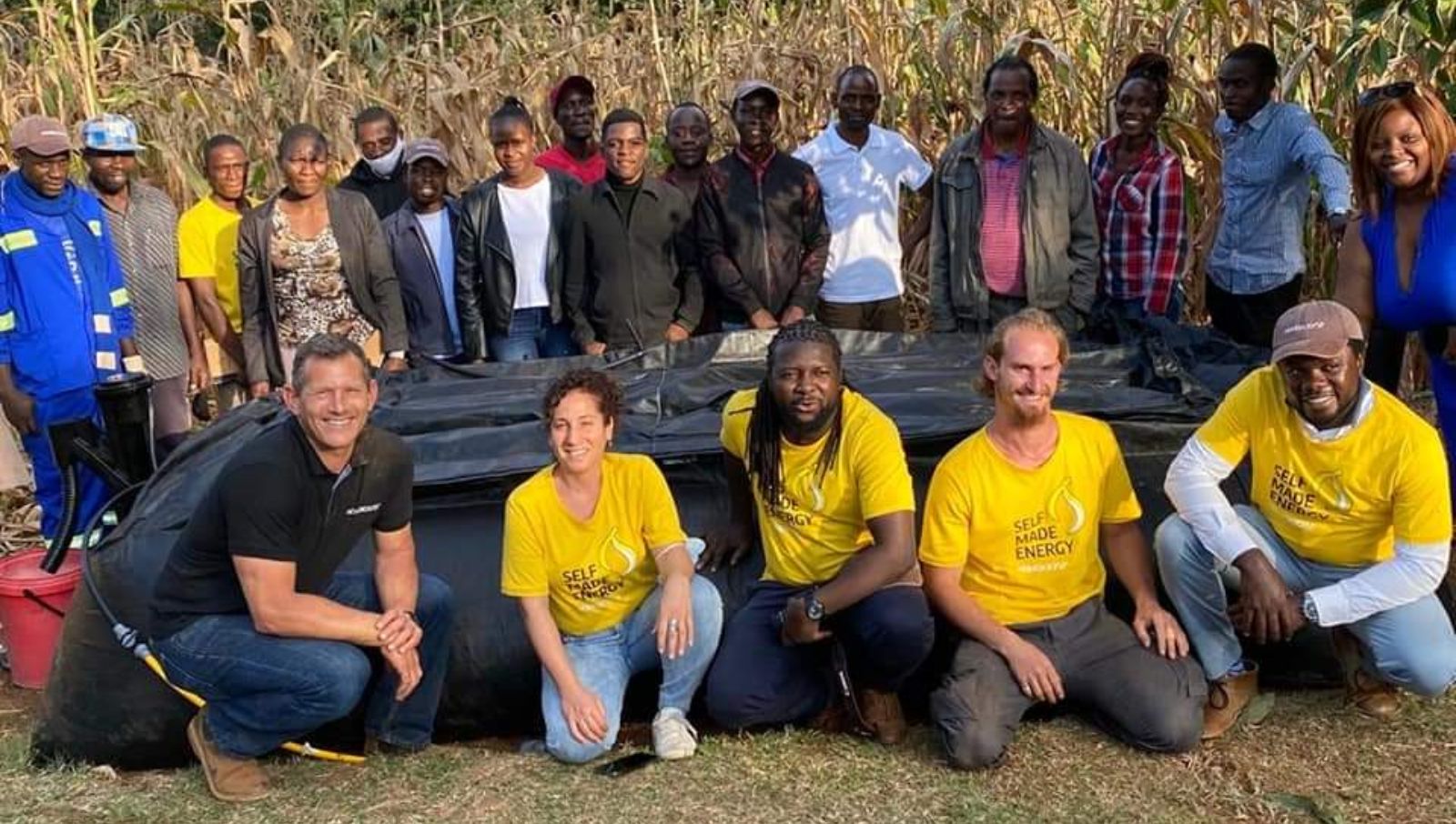
Israeli renewable energy company HomeBiogas, whose system converts organic waste into clean cooking gas and biofertilizer, recently won a United Nations tender to supply refugee camps in several African countries.
HomeBiogas products channel food leftovers or toilet waste into a tank where bacteria digest and convert them into biogas that flows to the stovetop or is turned into a green fertilizer.
The solution being implemented in the refugee camps treats food leftovers and other organic waste. It is off-grid and requires zero human intervention.
The large quantities of organic waste produced at refugee camps cause not only sanitary and environmental issues but also are expensive to dispose of. The HomeBiogas system allows for disposing of some waste onsite, reducing costs and providing a renewable energy source.

“We are proud that the UN selected HomeBiogas to take on this important project that will have an immense impact on the environment in the refugee camps,” says HomeBiogas cofounder and CEO Oshik Efrati.
“We are now an official supplier of the UN and believe that this tender is the first of many to come that will seek to treat waste in a sustainable way and improve the lives of hundreds of thousands of people living in refugee camps around the world,” he added.
The company soon will begin distributing around a dozen systems to refugee camps in several African countries in an arrangement expected to grow over time.
Produced in association with Israel21C.
The post HomeBiogas Wins UN Deal To Convert Waste In Refugee Camps appeared first on Zenger News.
By Julio Guzmán
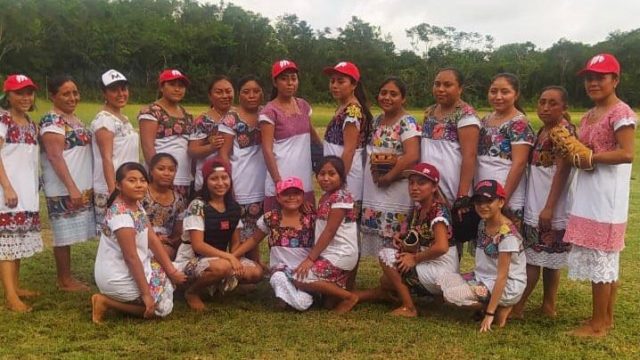
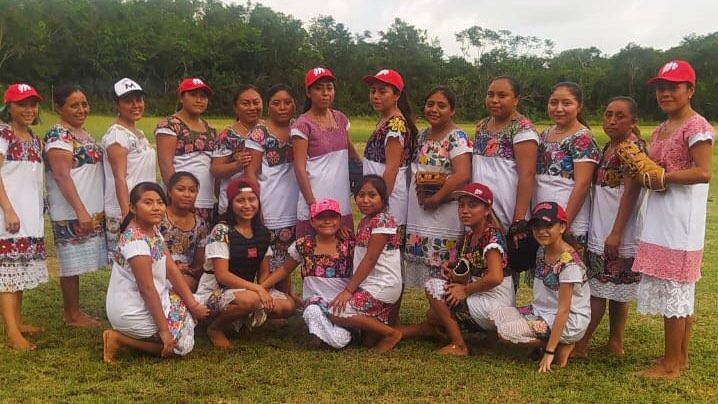
“The Little Mestiza Devils of Hondzonot” is a Mexican softball team that has attracted attention from all over the world.
These 18 Mayan women play barefoot and in hand-embroidered dresses they made themselves. They say they play because they love the sport and because they want to break with the region’s stereotypes.
The women range in age from 14 to 40. Their love of softball was born three years ago, when local authorities launched a program to teach women sports. The government support eventually dried up, but these women used their wits to keep playing, even though they had no equipment, using tennis balls, until they finally decided on softball.

They turned the huipil, a light dress typical of the Mayan region in southern Mexico, into their uniform, as a way to show off their roots and put up with the high temperatures. They decided to run barefoot or in huaraches because they say it’s more comfortable.
“We’re very proud to wear this outfit that our grandparents handed down to us, family members who have passed. We stand out more that way. We’re proud to wear it, and we’ll keep playing in it; we don’t want other uniforms. We’re comfortable in our huipils, and we play barefoot because it’s faster to run with no shoes,” Alejandra Tuzmay, the team’s 16-year-old catcher, told Zenger.

When the Little Devils gained some popularity through videos on social media, the Mexican Baseball League team Red Devils of Mexico, based in Mexico City, donated some bats and gloves to them.
“We used to play with no gloves. We caught balls with our hands. Nobody had given us a second look, and we had no equipment. Usually, it was borrowed, and sometimes we couldn’t play because it wasn’t ours, but thanks to [the Red Devils], we each got our own glove, and we are so grateful for that,” said Fabiola Maychulim, the teams’ 30-year-old captain.
The team grew to such fame that in Sept, Stefanía Aradillas, a member of the Mexican Olympic women’s softball team and the 2020 winner of the National Sports Award, visited them and joined them in a game. That led Tuzmay to keep fighting and to follow in Aradillas’ footsteps.
“Her story really touched me,” Tuzmay said. “When she was young, she was discriminated against for being a woman in a league, and they wouldn’t let her play, even though she was very good.”
@steffy.aradillasJugué con las diablillas #fypシ #vivamexico #mexico #mexicocheck #telocuentoentiktok #storytime #parati♬ Have Mercy – Chlöe
Hondzonot is a town located 125 miles from Chetumal, the capital of the southeastern Mexican state of Quintana Roo. Its 400 inhabitants speak Mayan, the language used by one of the region’s pre-Hispanic cultures.
The machismo attitude in the region has meant that many women do not reach their goals. Tuzmay says there are cases of women who leave school because they get no support, which makes it difficult for them to have employment opportunities later. Women are not encouraged to be seen outside, especially not playing sports, she said.
“People from around here are not used to seeing women playing sports. Here, as they say, ‘only men can or have a right to go out.’ Since they’re men, they’re free and can go outside to play. Women’s chores include housekeeping and caring for children, that’s all. They’re macho,” Tuzmay told Zenger.
The panorama has changed since the women started playing softball. They say they have inspired other women to follow their dreams.
Mirna May Tuyub is the team’s shortstop. She’s a 25-year-old housewife and huipil embroiderer. She says it hasn’t been easy to break with these stereotypes.
“When I play, I can’t deny that most men don’t like it, but we’re hoping they’ll change their attitude and see that, as women, we’re also brave, we can play sports,” said Tuyub.

The women’s softball team gets together in the afternoon to practice and have fun. They play exhibition games because Mexico has no professional softball league, but that doesn’t hold them back from chasing their other goals.
“Our dream is to meet the Red Devils, travel all over, go to other countries, show that, barefoot and in our huipils, we can play this beautiful sport. A lot of people want to play with us. We’re traveling to Querétaro. We’re very happy; it’ll be our first time on a plane,” said Tuzmay.
They never lose sight of the goal of inspiring other women to go after their dreams.
“We’re proud to be women, so we want to tell all women, ‘ma’ cha’ka suulak kintaaj menu’unpi’it u muuk’ xiib’ [in Mayan, ‘don’t let a man’s efforts put you down’]. They shouldn’t be limited by barriers,” Tuzmay said.
Translated by Melanie Slone; edited by Melanie Slone and Kristen Butler
The post Fighting Machismo And Inequality: Mayan Women’s Softball Team Pitches Against Discrimination appeared first on Zenger News.
By Naama Barak
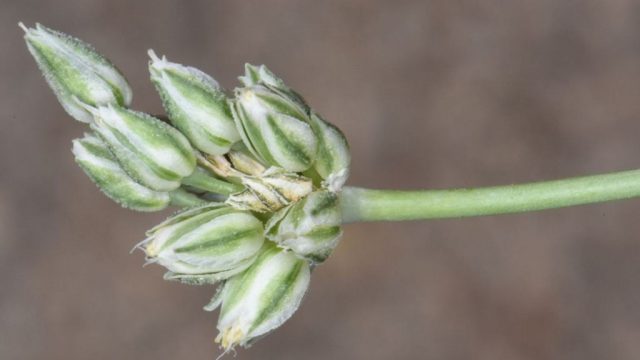
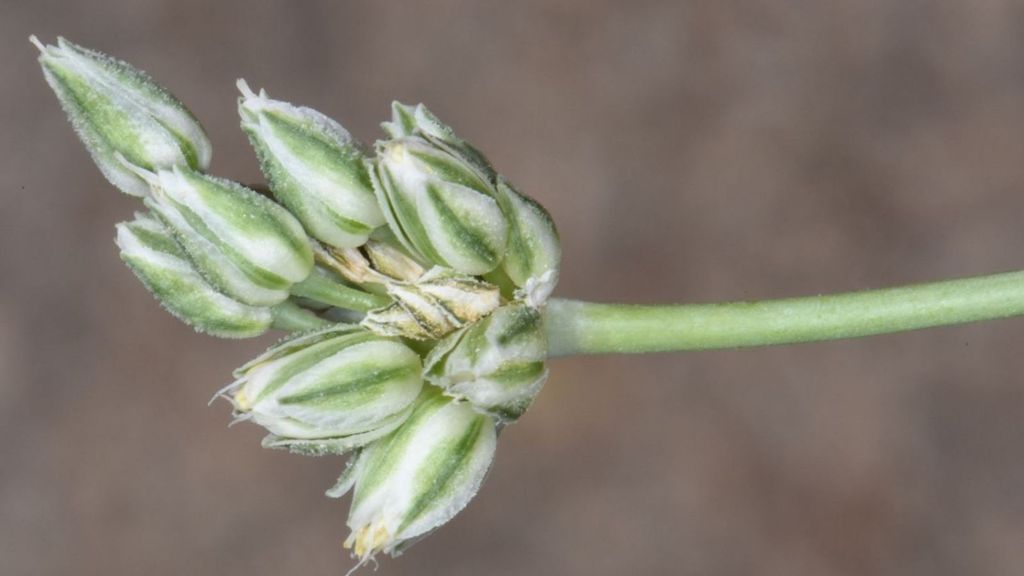
In good news for garlic lovers worldwide, a new allium species was recently discovered in the Judean Hills. The bad news: It’s been observed in only three sites and is already in danger of extinction.
“I first found the garlic 10 years ago, and I didn’t exactly identify it. I thought it was a different garlic species. But it stayed with me; it bothered me because I wasn’t completely satisfied with my identification,” said botanist Ori Fragman-Sapir, the scientific director of the Jerusalem Botanical Gardens.
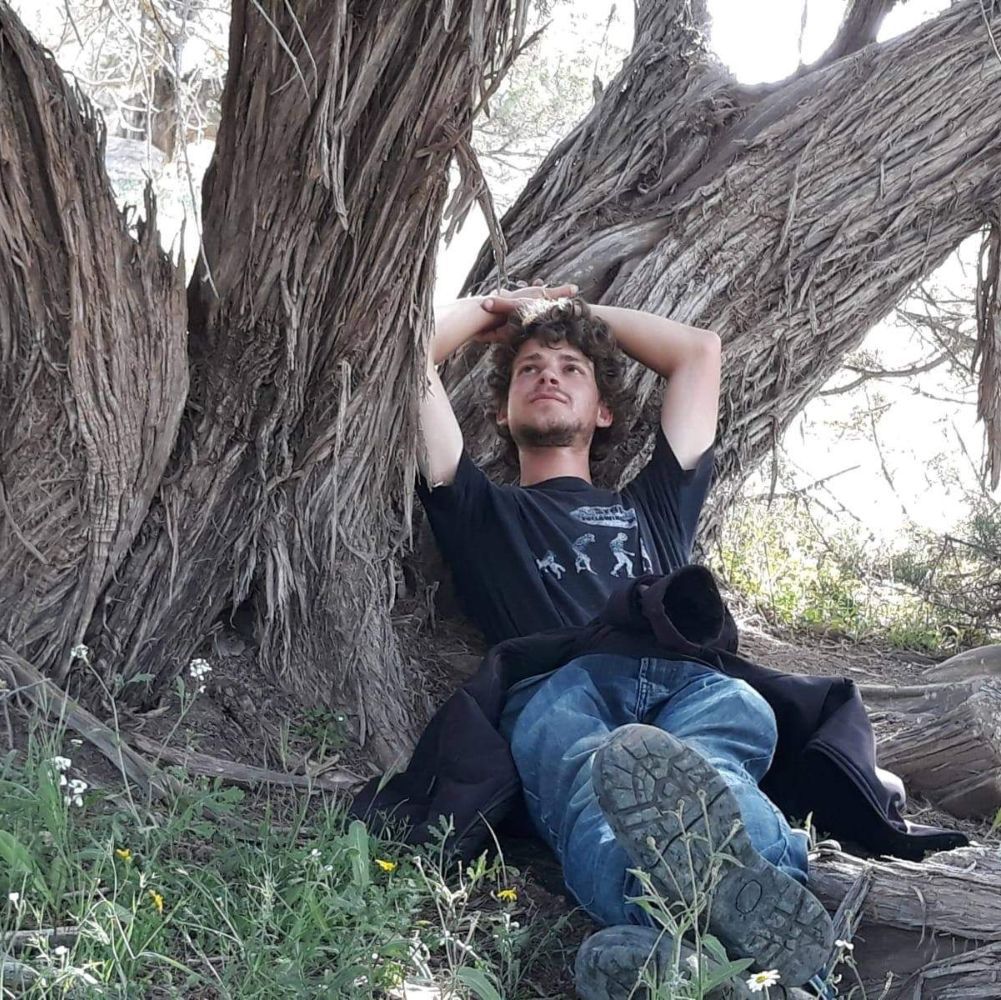
“But then a promising young botanist called Dar Ben-Natan found it in two more sites in recent years and contacted me. Suddenly we realized that we have something new in hand that is unlike anything else that we know.”
Their discovery was recently published in Curtis’s Botanical Magazine, the longest-running botanical magazine in the world, dating to the 18th century.
“Regarding its properties, it’s very different from other alliums. But by the way, it’s not a very impressive-looking plant. It has these greenish flowers, but it’s not this big and beautiful plant,” Fragman-Sapir said.
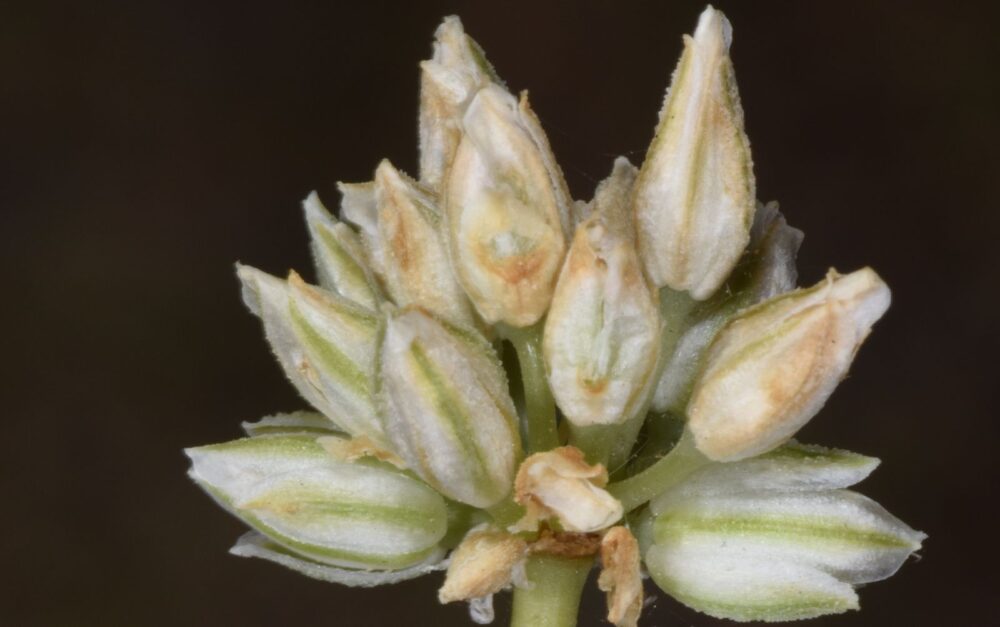
Unusually, the new allium species flowers rather late in the year, in May and June. It is also yet unclear whether it’s edible. The two researchers called it Allium judaeum in honor of the three Judean Hills spots where it was found, and are working to conserve it.
Since it is endemic to three locations, each with a limited number of plants, the new species is already understood to be endangered.
Rare but not impressive
“When we talk about the conservation of the variety of plants in Israel, we usually talk about the conservation of beautiful flowers, or of plants with economic value. But then there are also all types of plants that are very rare but not that impressive, like the Allium judaeum,” Fragman-Sapir said.
“A lot of people ask why we’re conserving such an unimpressive plant. The answer is that we aren’t yet familiar with the new plant’s genes. It might be that the plant will end up contributing to the growing of cultivated garlic and onion,” he said.
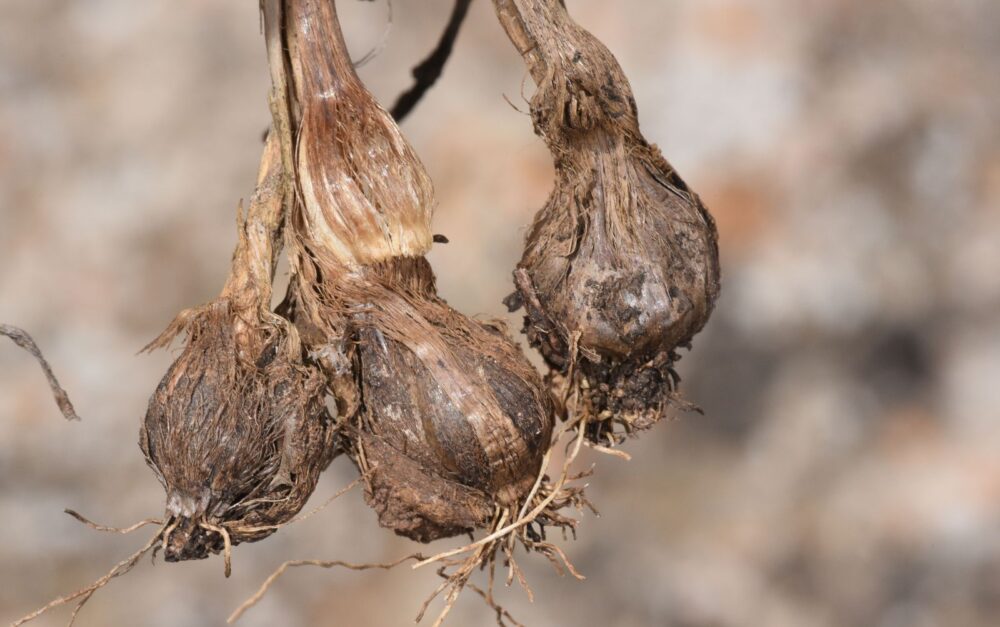
“Or it might be that the plant has properties that are resistant to disease or drought that can be utilized for cultivated species, or it might be that other chemicals will be found and utilized for different purposes such as medicine. First of all, we conserve the variety and then over the years discover the properties.”
Furthermore, he said, “You can also approach the question of preserving plant varieties from a moral perspective: What right do we have to obliterate the creatures upon this earth?”
Extinction, Fragman-Sapir said, usually occurs because of the destruction of the plants’ natural habitat. In Israel, that often happens because of development and construction.
Grown in buckets
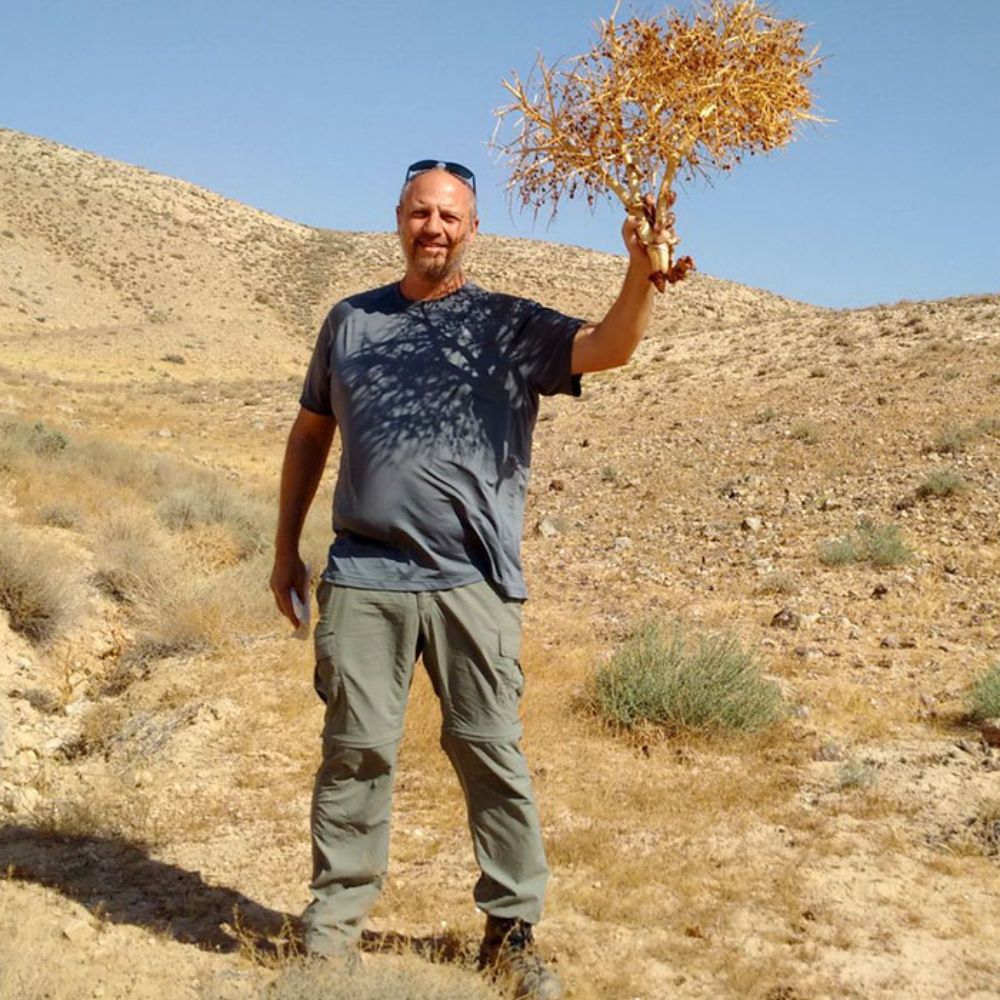
Efforts are now being made to conserve the new allium species both in its natural habitat and at the Jerusalem Botanical Gardens, where the plants are being grown in buckets.
“We’re creating a backup for the small number of plants that can be found in nature,” Fragman-Sapir explains.
Discovering new plant species in Israel is uncommon but not unheard of.
“Certainly, we’re conducting research on more plants and we’re currently writing all sorts of articles on other species. Generally speaking, Israeli flora has been researched, but once in a while we discover something new,” Fragman-Sapir concludes.
Produced in association with Israel21C.
The post New Garlic Species Is Found And Already It’s Endangered appeared first on Zenger News.